

Working Principle and Features of the Calcium Hydrogen Phosphate Powder Conveying System
For industrial applications involving calcium hydrogen phosphate (CaHPO₄·2H₂O), efficient and reliable powder conveying systems are essential to ensure smooth production processes and maintain product quality. The calcium hydrogen phosphate powder conveying system, developed by Shandong HeadPowder Engineering Co., Ltd., is a specialized solution designed to address the unique challenges of handling this type of powder material. This article will explore the working principle and key features of this system, providing insights into its functionality and benefits for various industrial sectors.
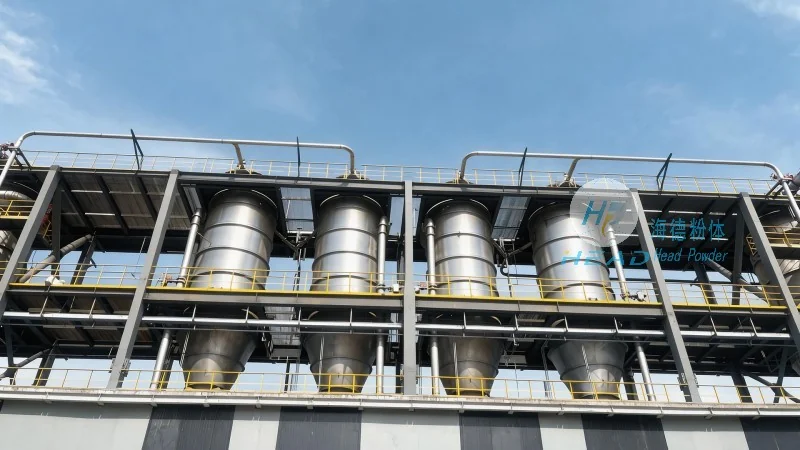
Overview of the Calcium Hydrogen Phosphate Powder Conveying System
The calcium hydrogen phosphate powder conveying system is engineered to handle the transportation of calcium hydrogen phosphate powder from storage silos or processing units to downstream equipment such as mixers, reactors, or packaging lines. As a critical component in the production workflow, this system ensures consistent material flow, minimizes downtime, and enhances overall operational efficiency. The system is designed with considerations for the physical properties of calcium hydrogen phosphate, including its particle size, moisture content, and flow characteristics, to optimize conveying performance.
Working Principle of the Calcium Hydrogen Phosphate Powder Conveying System
The core of the calcium hydrogen phosphate powder conveying system is a combination of mechanical and pneumatic components that work in tandem to move the powder. The system typically operates on the principle of air-assisted conveying, where compressed air is used to create a flow of air and powder through a pipeline. The main components include a hopper or feed hopper, a rotary valve or feeder, a conveying line, and a receiver or discharge hopper. The process begins with the powder being fed into the hopper from a storage silo. The rotary valve then controls the flow of powder into the conveying line, ensuring a consistent feed rate. Compressed air is introduced into the line, creating a positive pressure that propels the powder forward. The air and powder mixture travels through the pipeline to the receiver, where the powder is separated from the air and collected. The air is then typically filtered and recycled back into the system to maintain efficiency.
Key Features of the Calcium Hydrogen Phosphate Powder Conveying System
Several key features distinguish the calcium hydrogen phosphate powder conveying system from conventional conveying solutions, making it particularly suitable for industrial applications. These features include:
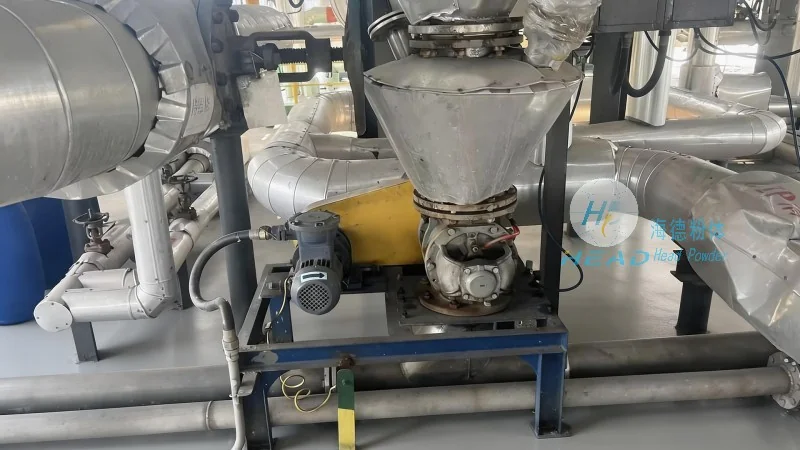
1. High Conveying Efficiency: The system is designed to achieve high material throughput with minimal pressure drop, ensuring efficient transportation of calcium hydrogen phosphate powder over long distances. This efficiency reduces energy consumption and operational costs while maintaining consistent flow rates.
2. Gentle Material Handling: The air-assisted conveying method minimizes particle attrition and degradation, preserving the physical properties of the calcium hydrogen phosphate powder. This is crucial for maintaining product quality, especially in applications where the powder's particle size and shape are critical, such as in food or pharmaceutical industries.
3. Low Maintenance Requirements: The system incorporates durable components that are resistant to corrosion and wear, reducing the need for frequent maintenance and extending the service life of the equipment. This feature contributes to lower long-term operational costs and increased system reliability.
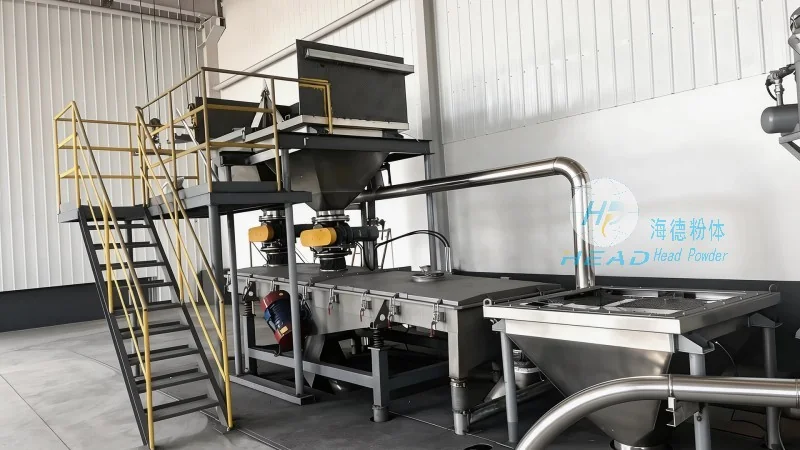
4. Versatility in Application: The system can be customized to accommodate various conveying distances, powder flow rates, and process requirements. It can be integrated with existing production lines or used as a standalone solution, providing flexibility for different industrial setups.
5. Environmental Considerations: The system includes features such as air filtration and recycling, which help minimize dust emissions and environmental impact. This is particularly important for calcium hydrogen phosphate powder, which may have regulatory requirements regarding dust control in industrial settings.
Benefits for Industrial Users
The implementation of the calcium hydrogen phosphate powder conveying system offers several benefits to industrial users, including improved production efficiency, enhanced product quality, and reduced operational costs. By ensuring consistent and reliable powder flow, the system helps prevent bottlenecks and downtime in production processes. The gentle handling of the powder preserves its quality, which is essential for applications where the powder is used in sensitive industries such as food, pharmaceuticals, or animal feed. Additionally, the low maintenance requirements and energy efficiency of the system contribute to long-term cost savings and increased profitability for businesses.