

Working Principle and Features of Dust Air-Pneumatic Conveying System Equipment
The dust air-pneumatic conveying system is a specialized industrial equipment designed for the efficient transportation of powdery or granular materials. It operates by utilizing compressed air or negative pressure to move materials through a pipeline network. This system is widely used in various industries, including chemical, food, and pharmaceutical sectors, where the handling of fine powders requires precise and controlled movement.
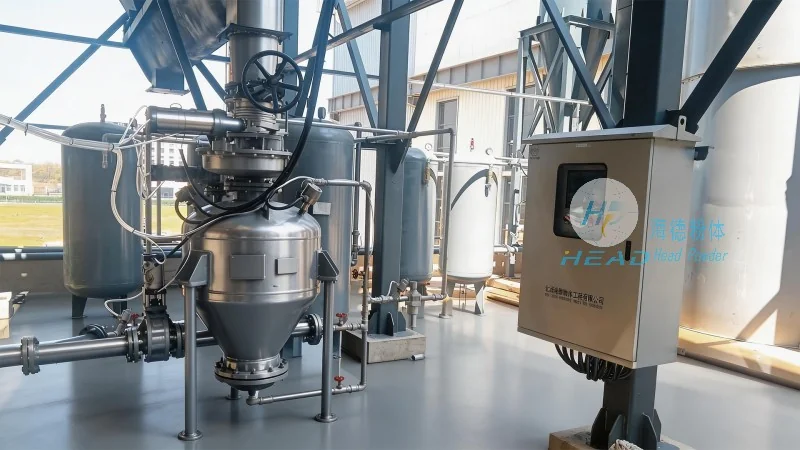
Working Principle of the Dust Air-Pneumatic Conveying System
The system's operation is based on the fundamental principle of air flow and material suspension. In an aspiration (suction) system, a centrifugal fan or a rotary lobe blower creates a negative pressure at the material inlet, drawing the powder into the pipeline. The air and powder mixture then travels through the pipeline to a separator, which typically consists of a cyclone or a bag filter. The air is separated from the material and discharged to the atmosphere, while the powder is collected in a receiving hopper. Conversely, in a pressure (blowing) system, a positive displacement blower or a centrifugal fan supplies compressed air to the pipeline, pushing the material from the source to the destination. The system may include a material feeder to control the flow rate, ensuring consistent transport. The pipeline network can be configured in various shapes, such as straight, curved, or vertical, to accommodate the layout of the facility. The system's control system, often integrated with sensors, monitors pressure, flow rate, and material level, providing real-time feedback and automatic adjustments to maintain optimal performance.
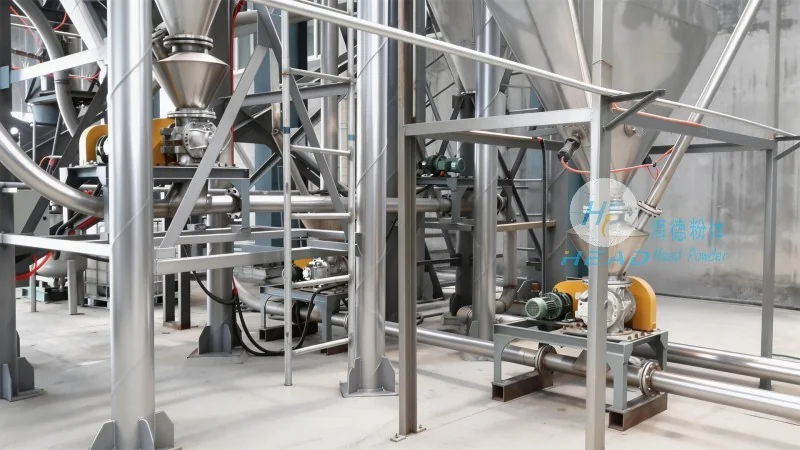
Key Features of the Dust Air-Pneumatic Conveying System
The dust air-pneumatic conveying system offers several distinct advantages that make it a preferred choice for material handling. Firstly, it provides a highly efficient and continuous transport capability, as the system can operate continuously without the need for manual intervention between loading and unloading points. This ensures a steady supply of materials to production lines, reducing bottlenecks and improving overall throughput. Secondly, it is environmentally friendly, as it eliminates the need for open storage or manual handling, reducing dust emissions and improving workplace safety. The sealed pipeline design prevents dust from escaping into the environment, complying with environmental regulations and maintaining a clean working environment. Thirdly, the system is versatile, capable of handling a wide range of materials, from fine powders (e.g., cement, flour) to bulk granules (e.g., sugar, grains), with adjustable flow rates to accommodate different material properties. The system can be customized with different inlet and outlet configurations to suit specific material characteristics, ensuring optimal performance. Additionally, it offers compact design, requiring less floor space compared to traditional conveyor systems, making it suitable for installations with limited area. The system's modular construction allows for easy expansion or reconfiguration as production needs change.
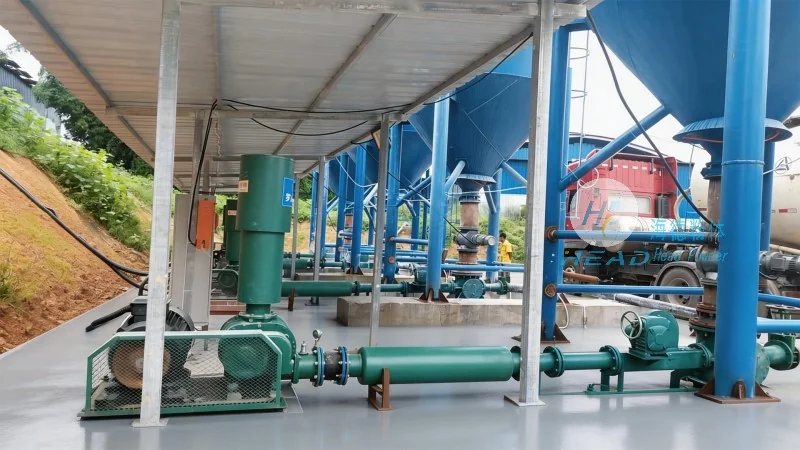
Technical Advantages and Performance
One of the significant technical advantages of the dust air-pneumatic conveying system is its low energy consumption. The system optimizes air usage, reducing operational costs while maintaining efficient material transport. The selection of appropriate fan types, such as high-efficiency centrifugal fans or energy-saving rotary lobe blowers, minimizes power consumption. Maintenance is also simplified, as the components are designed for easy access and replacement, minimizing downtime. The system's flexibility in pipeline configuration allows for customized layouts to suit specific plant layouts, enabling the integration of multiple material sources and destinations. This flexibility enhances operational efficiency by reducing the need for multiple manual handling steps. Furthermore, the system ensures hygienic handling for food and pharmaceutical applications, with sealed pipelines and components that prevent contamination and maintain product integrity. The use of stainless steel or food-grade materials in construction ensures compliance with industry standards, such as FDA or GMP, for handling sensitive products.