

Working Principle and Features of Wheat Pneumatic Conveying System Equipment
Wheat pneumatic conveying system equipment is a critical component in modern grain handling and processing facilities. Understanding its working principle and key features is essential for optimizing operational efficiency and ensuring reliable material transport. This article provides a detailed overview of the technology, focusing on the mechanisms that enable effective wheat movement and the advantages that make such systems a preferred choice in the industry.
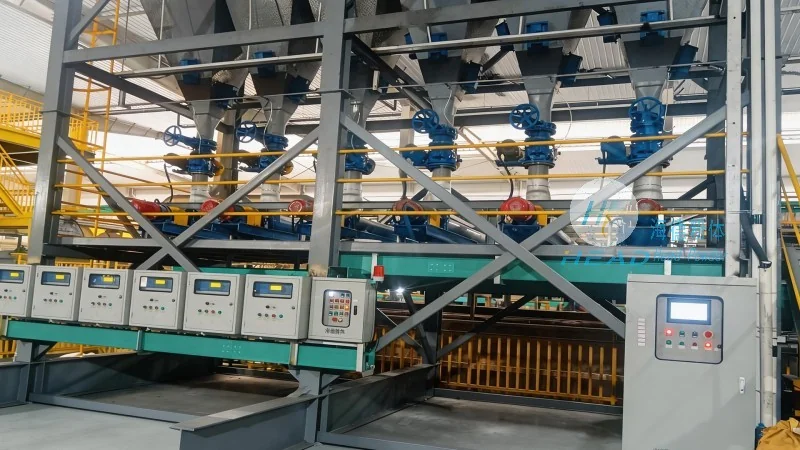
Company Introduction: Shandong HeadPowder Engineering Co., Ltd.
Shandong HeadPowder Engineering Co., Ltd. is a leading manufacturer specializing in the design, development, and supply of advanced pneumatic conveying systems. With a strong presence in China, particularly in Shandong province, the company has established itself as a trusted partner for businesses seeking efficient and reliable solutions for grain handling. The company’s headquarters and operational base are located in Shandong, China, providing a strategic advantage in serving the local and regional markets.
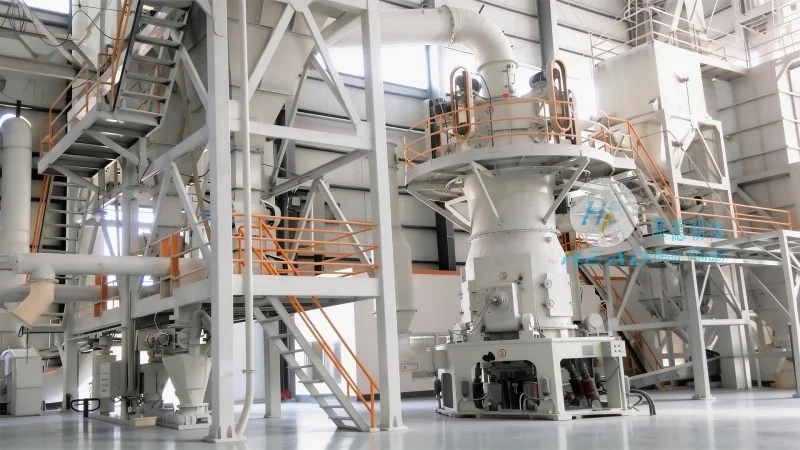
Working Principle of Wheat Pneumatic Conveying Systems
The core of a wheat pneumatic conveying system lies in its ability to transport bulk materials like wheat using air as the primary motive force. The system operates on the principle of creating a pressure differential between the inlet and outlet of the conveying line. Air is drawn into the system through a fan or blower, which generates the necessary airflow to lift and move the wheat particles. The wheat is typically fed into the system via a hopper or feeder, where it is mixed with the air stream. As the air flows through the pipeline, it carries the wheat particles along, ensuring a continuous and controlled transport process. The system can be configured in various modes, including positive pressure, negative pressure, or a combination of both, depending on the specific application requirements and the distance over which the wheat needs to be conveyed.
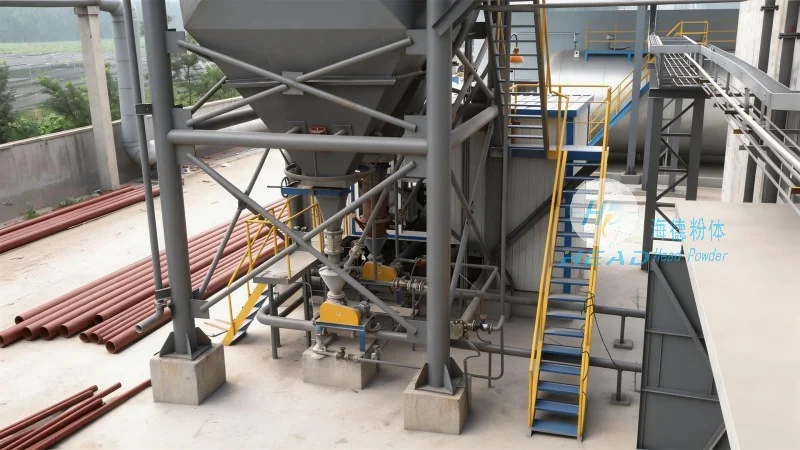
Key Features and Advantages of Wheat Pneumatic Conveying Equipment
Wheat pneumatic conveying systems offer several distinct features that make them highly effective for grain handling operations. One of the primary advantages is their ability to handle large volumes of material with minimal labor. The systems are designed to operate continuously, reducing the need for manual intervention and improving overall productivity. Additionally, pneumatic conveying systems are highly flexible, allowing for easy integration with existing processing lines and the ability to change the direction or length of the conveying line as needed. Another key feature is the low maintenance requirements compared to traditional mechanical conveyors. The absence of moving parts in the conveying line reduces wear and tear, leading to lower operational costs and longer equipment lifespan. Furthermore, these systems are capable of handling delicate materials like wheat without causing damage, preserving the quality and integrity of the grain. The enclosed nature of the system also helps in maintaining hygiene standards, which is crucial in food processing environments. In terms of energy efficiency, modern pneumatic conveying systems are designed to optimize air usage, reducing energy consumption while maintaining high conveying rates. This makes them an environmentally friendly and cost-effective solution for long-distance wheat transport.
Applications and Operational Benefits
Wheat pneumatic conveying systems are widely used in various stages of wheat processing, from storage and handling to milling and packaging. In storage facilities, the systems are used to transfer wheat from silos or storage bins to processing units, ensuring a smooth flow of material. During milling operations, the systems are employed to move wheat from the grinding and sifting stages to the packaging area, maintaining a consistent supply of raw material. The ability to handle large volumes and operate continuously makes these systems ideal for high-throughput processing plants. Another operational benefit is the reduced risk of material contamination. Since the conveying process is enclosed, there is minimal exposure to external elements, which helps in maintaining the purity of the wheat. This is particularly important in industries where product quality is a top priority. The systems also contribute to improved workplace safety by eliminating the need for manual handling of heavy or bulky wheat bags, reducing the risk of injuries and improving overall operational safety.
Conclusion
Wheat pneumatic conveying system equipment, as exemplified by the solutions offered by Shandong HeadPowder Engineering Co., Ltd., represents a sophisticated and efficient approach to grain handling. By leveraging the principles of air-based transport, these systems provide reliable, flexible, and low-maintenance solutions for moving wheat and other bulk materials. The key features, including high capacity, minimal labor requirements, and energy efficiency, make them a preferred choice for modern processing facilities. As businesses continue to seek ways to optimize their operations and improve productivity, the importance of such advanced conveying systems will only grow. With its strong presence in Shandong, China, Shandong HeadPowder Engineering Co., Ltd. remains committed to delivering high-quality, reliable pneumatic conveying solutions that meet the evolving needs of the grain industry.