

What is Compound Fertilizer Powder Pneumatic Conveying? What Are the Design Principles?
Compound fertilizer powder pneumatic conveying is a specialized method used to transport granular or powdered materials, such as compound fertilizers, through a pipeline system using air or gas as the conveying medium. This technology is widely adopted in the fertilizer industry due to its efficiency, flexibility, and ability to handle fine powders without the need for mechanical components like belts or buckets. Understanding the core concepts and design principles behind this system is crucial for optimizing material handling processes in agricultural and industrial applications.
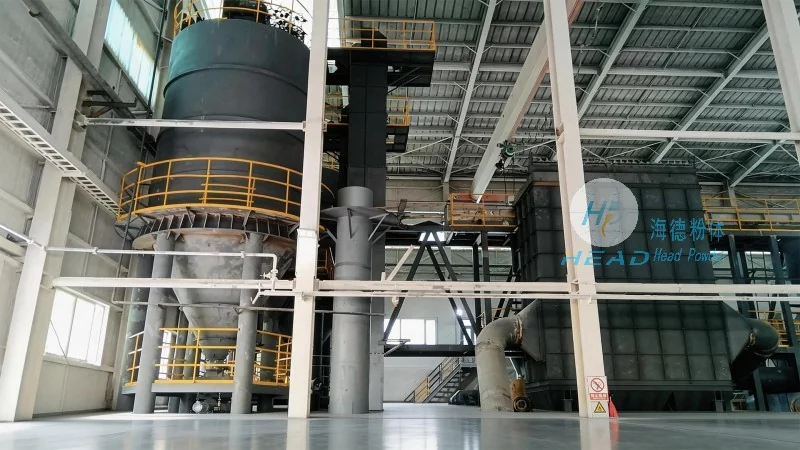
Understanding Compound Fertilizer Powder Pneumatic Conveying
At its essence, pneumatic conveying involves the movement of solid particles suspended in a moving air stream. In the context of compound fertilizers, which are typically composed of nitrogen, phosphorus, and potassium (NPK) along with other micronutrients, this method ensures that the delicate powder structure remains intact while being transported from storage silos to processing or packaging units. The process relies on creating a pressure differential or using vacuum to draw the material through the pipeline, making it suitable for both low and high-concentration conveying applications.
Key Components of a Pneumatic Conveying System for Fertilizers
The design of a compound fertilizer powder pneumatic conveying system involves several critical components that work in tandem to ensure reliable operation. These include the hopper or silo for material storage, a feeder mechanism to control the flow rate, a conveying line (often made of stainless steel or other corrosion-resistant materials to handle the chemical properties of fertilizers), and a receiver or discharge unit where the material is deposited. Additionally, the system may incorporate air compressors or vacuum pumps to generate the necessary pressure or suction, along with filters and cyclones to separate the material from the air stream and prevent dust emissions.
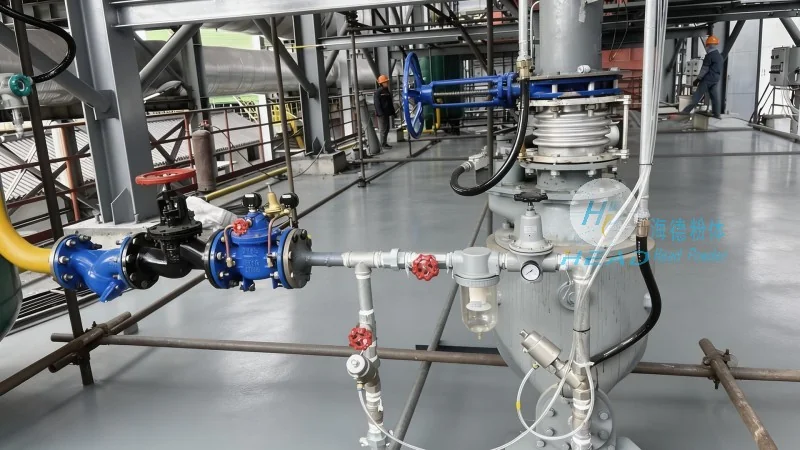
Design Principles for Efficient Fertilizer Powder Conveying
Several key design principles guide the development of an effective pneumatic conveying system for compound fertilizers. First, the selection of the conveying method—whether it's a positive pressure system (where air is forced through the line) or a negative pressure system (where air is drawn out)—depends on factors such as the material's properties, the distance to be conveyed, and the desired flow rate. Positive pressure systems are generally preferred for longer distances or when handling abrasive materials, as they can maintain consistent pressure and prevent material buildup in the line. Negative pressure systems, on the other hand, are suitable for shorter distances and applications where dust control is a priority.
Second, the velocity of the air stream is a critical parameter. The air velocity must be high enough to keep the powder particles suspended but not so high as to cause excessive wear on the pipeline or equipment. This is often determined by the particle size distribution and density of the fertilizer, with typical velocities ranging from 20 to 40 meters per second for fine powders. Proper design of the conveying line diameter and length is also essential to maintain the required velocity and minimize pressure drop, which can affect the overall efficiency of the system.
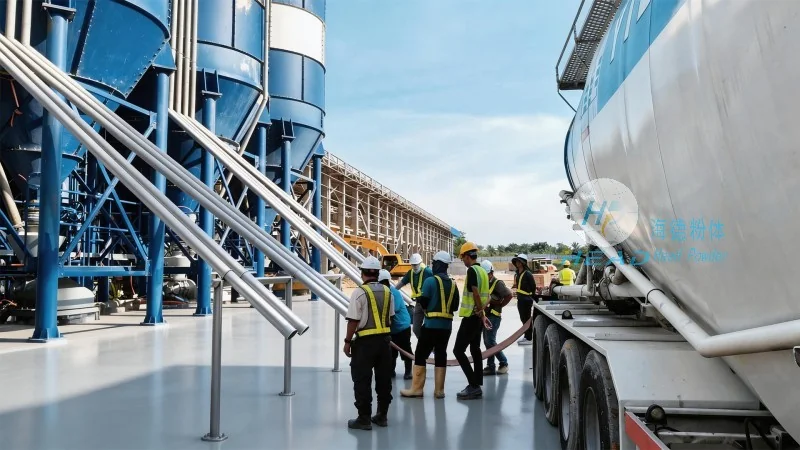
Advantages of Pneumatic Conveying in Fertilizer Handling
Implementing a pneumatic conveying system for compound fertilizers offers numerous advantages over traditional mechanical methods. One of the most significant benefits is the ability to handle fine powders without the risk of material degradation or caking, which can occur with mechanical conveyors. This ensures that the nutritional content of the fertilizer remains intact, preserving its effectiveness for agricultural use. Additionally, pneumatic systems are highly flexible, allowing for easy integration with existing processing lines and the ability to transport materials to multiple destinations from a single source.
Another advantage is the reduced risk of dust exposure and environmental contamination. By using enclosed pipelines and efficient filtration systems, the system minimizes the release of fine particles into the air, improving workplace safety and compliance with environmental regulations. This is particularly important in regions with strict air quality standards, where dust control is a major concern in the fertilizer industry.
Applications of Pneumatic Conveying in Fertilizer Production
Compound fertilizer powder pneumatic conveying is widely used in various stages of fertilizer production and handling. In storage facilities, it enables the transfer of bulk fertilizer from silos to processing units, ensuring a continuous supply of raw material. During the manufacturing process, the system can transport intermediate products, such as granules or powders, between different processing stages, such as drying, screening, and packaging. Finally, in packaging operations, pneumatic conveying can deliver the final product to filling machines, ensuring accurate and efficient packaging of fertilizer bags or containers.
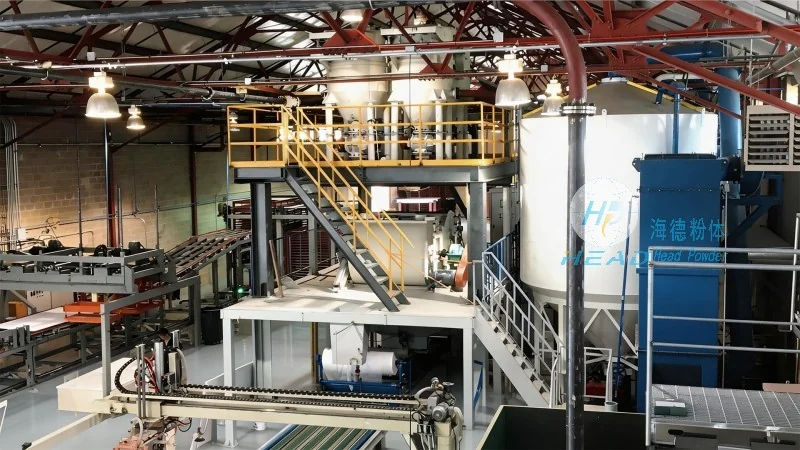
Case Study: HeadPowder's Pneumatic Conveying Solutions
Shandong HeadPowder Engineering Co., Ltd., a leading provider of engineering solutions for material handling, specializes in designing and manufacturing pneumatic conveying systems tailored to the needs of the fertilizer industry. With decades of experience in the field, HeadPowder has developed advanced systems that incorporate the latest design principles to optimize efficiency and reliability. For example, their systems often feature variable speed feeders and adjustable air flow controls to maintain consistent material flow, even with varying fertilizer compositions. The company's expertise in material science and fluid dynamics ensures that their solutions are tailored to handle the specific properties of different compound fertilizers, such as varying particle sizes and moisture content.
HeadPowder's commitment to quality and innovation has made them a trusted partner for many fertilizer manufacturers worldwide. Their systems are designed to meet international standards for safety and environmental compliance, with features like dust collection and noise reduction to enhance workplace conditions. By leveraging their deep understanding of pneumatic conveying technology, HeadPowder helps clients improve their material handling processes, reduce operational costs, and enhance overall productivity in fertilizer production.