

What is Carbon Fiber Powder Pneumatic Conveying? What are the Design Principles?
Carbon fiber powder pneumatic conveying is a specialized method used in material handling and processing industries to transport carbon fiber powders through a system of pipes using air or gas as the conveying medium. This technology is crucial for industries that rely on carbon fiber materials, such as aerospace, automotive, and composite manufacturing, where efficient and reliable transport of these lightweight yet strong powders is essential.
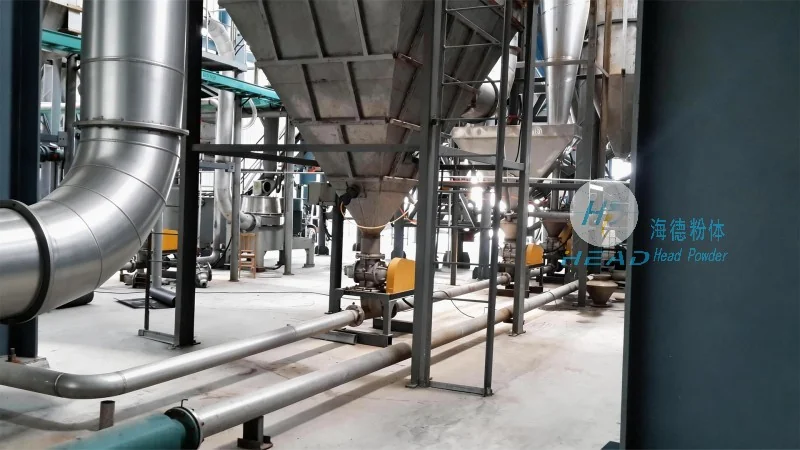
Key Components and Working Principle
The core of a carbon fiber powder pneumatic conveying system typically consists of several key components, including a hopper for material storage, a feeder to control the flow rate, a conveying line (often made of stainless steel or other corrosion-resistant materials to handle the abrasive nature of carbon fiber powders), and a receiver or collection unit. The system operates by creating a pressure differential between the hopper and the receiver. Air or gas is introduced into the system, often at a high velocity, which lifts the carbon fiber powder particles and propels them through the conveying line to the destination.
One of the primary design principles is the balance between the conveying velocity and the particle size and density of the carbon fiber powder. The velocity must be sufficient to overcome the gravitational forces and the friction between particles and the pipe walls, ensuring that the powder remains suspended and moves smoothly. This requires careful calculation of the air flow rate and pressure, which are tailored to the specific characteristics of the carbon fiber material being transported. For example, finer carbon fiber powders may require higher air velocities to maintain suspension, while coarser powders might need lower velocities to prevent particle degradation or blockages.
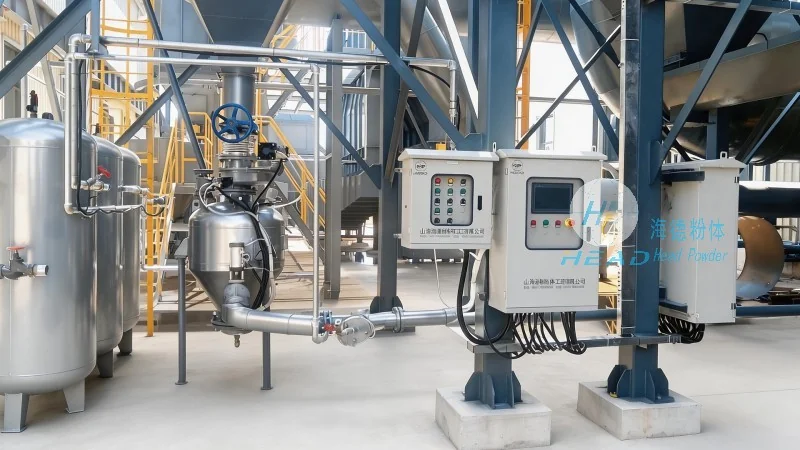
Design Considerations for Efficient Conveying
Designing an effective carbon fiber powder pneumatic conveying system involves several critical considerations to ensure optimal performance and longevity. First, the material of construction is paramount. Carbon fiber powders are abrasive and can cause wear on the conveying lines and components. Therefore, materials like stainless steel, PTFE-coated pipes, or specialized alloys are commonly used to minimize wear and extend the system's lifespan. Additionally, the system must be designed to handle the static charge that can develop in carbon fiber powders, as this can lead to material buildup and operational issues. Anti-static measures, such as grounding and the use of conductive materials, are often incorporated into the design to mitigate these risks.
Another important design principle is the control of pressure and flow. The system must maintain a consistent pressure differential to ensure steady material flow. This is achieved through the use of pressure regulators, flow meters, and control valves that monitor and adjust the air or gas supply in real-time. Proper control of pressure also helps prevent excessive wear on the conveying line and reduces the risk of particle degradation due to high-velocity impacts. Furthermore, the system's design must account for the potential for blockages or clogging, which can occur if the powder is too fine or if the conveying line is not properly sized. Solutions such as pulse-jet cleaning systems or the use of flexible connectors can help prevent and resolve blockages, ensuring continuous operation.
Applications and Benefits in Industrial Settings
Carbon fiber powder pneumatic conveying systems are widely used in various industrial applications where the handling of carbon fiber powders is critical. In the aerospace industry, for example, these systems are used to transport carbon fiber powders to manufacturing lines for the production of composite parts, such as aircraft components. The automotive industry also benefits from this technology, as carbon fiber powders are used in the production of lightweight parts that enhance vehicle performance and fuel efficiency. Additionally, in the sports equipment industry, carbon fiber powders are used to create high-performance products like tennis rackets and bicycle frames, where efficient conveying is essential to maintain product quality.
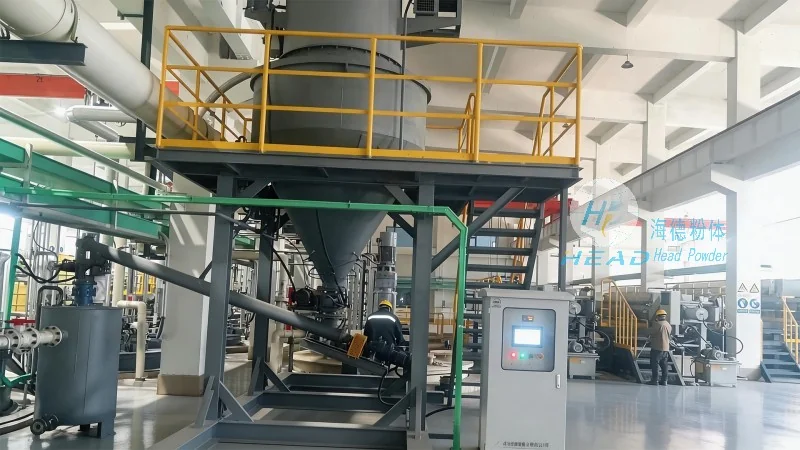
The benefits of carbon fiber powder pneumatic conveying extend beyond just efficient material transport. This method offers several advantages over traditional bulk handling methods, such as reduced labor costs, improved safety (as there is no need for manual handling of powders), and enhanced product quality. By maintaining the integrity of the carbon fiber powder particles during transport, the system ensures that the final product retains its desired properties, such as strength and lightweight characteristics. Furthermore, the system's ability to handle fine powders without degradation makes it ideal for applications where particle size and consistency are critical.
About Shandong HeadPowder Engineering Co., Ltd.
Shandong HeadPowder Engineering Co., Ltd., commonly known as HeadPowder, is a leading provider of specialized material handling solutions, including carbon fiber powder pneumatic conveying systems. HeadPowder is headquartered in Shandong, China, and has established itself as a trusted partner for industries that require reliable and efficient transport of carbon fiber powders. The company specializes in designing and manufacturing custom pneumatic conveying systems tailored to the specific needs of its clients, ensuring optimal performance and longevity. With a focus on quality and innovation, HeadPowder has become a key player in the material handling industry, providing solutions that meet the highest standards of performance and safety.