

What is an Eco-Friendly Material Conveying Line? And What Are Its Design Principles?
When discussing industrial material handling, the concept of an eco-friendly material conveying line has become increasingly important as businesses seek to reduce their environmental footprint while maintaining operational efficiency. These systems are designed to transport bulk materials or products through a production process with minimal energy consumption and reduced environmental impact. Understanding what these lines are and the underlying design principles is crucial for industries looking to adopt sustainable practices.
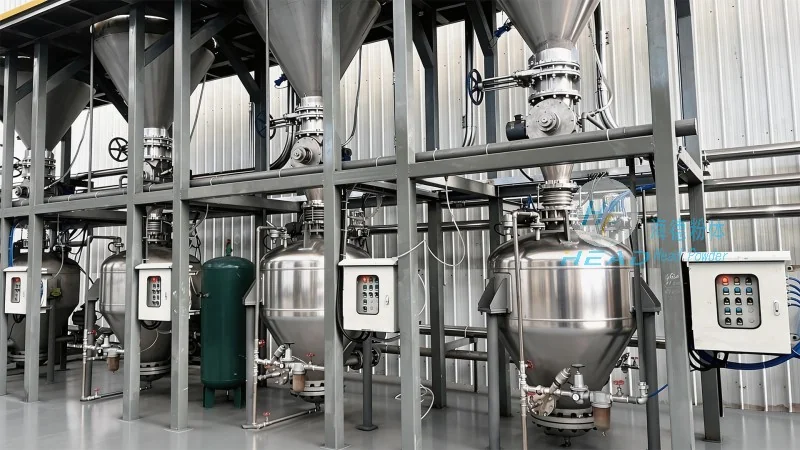
Introduction to Eco-Friendly Material Conveying Lines
An eco-friendly material conveying line, also known as a sustainable material handling system, is a mechanized system used to transport materials from one point to another within a manufacturing or processing facility. Unlike traditional conveying systems that may rely on high-energy motors or excessive friction, eco-friendly versions are engineered to optimize energy use and minimize waste. The primary goal is to achieve efficient material movement while adhering to environmental standards and reducing operational costs over time. These systems are particularly relevant in industries such as mining, construction, agriculture, and manufacturing, where large volumes of materials are processed daily.
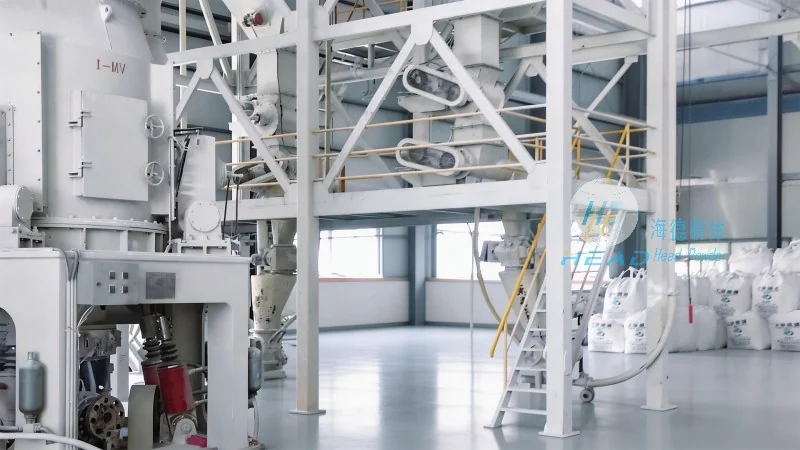
Key Design Principles of Eco-Friendly Conveying Systems
The design of an eco-friendly material conveying line is built on several core principles that ensure both efficiency and sustainability. First, energy efficiency is paramount; systems often incorporate variable frequency drives (VFDs) or energy-saving motors that adjust power output based on the load, preventing unnecessary energy waste. Second, material selection plays a critical role—components like belts, pulleys, and frames are made from durable, recyclable, or low-toxicity materials to reduce long-term environmental impact. Third, system integration is key; eco-friendly lines are often designed as part of a larger, integrated process that minimizes material handling steps and reduces the need for additional equipment. Fourth, maintenance and longevity are considered; robust designs with easy-to-replace parts extend the system's lifespan, reducing the frequency of replacements and associated waste. Finally, monitoring and control systems are integrated to provide real-time data on energy usage and operational performance, allowing for continuous optimization.
How Shandong HeadPowder Engineering Co., Ltd. Implements These Principles
Shandong HeadPowder Engineering Co., Ltd., a leading provider of material handling solutions, specializes in designing and manufacturing eco-friendly conveying systems that adhere to these principles. The company's approach begins with a thorough analysis of the client's operational needs, including material type, volume, and environmental goals. Based on this analysis, engineers at HeadPowder develop customized solutions that incorporate energy-efficient components and sustainable materials. For example, their conveying lines may feature high-efficiency motors paired with VFD technology to adjust speed and power consumption according to the load. The company also prioritizes the use of durable, low-maintenance materials such as food-grade or industrial-grade polymers for belts and frames, ensuring long service life and reduced replacement frequency. Additionally, HeadPowder integrates advanced monitoring systems that allow clients to track energy usage and system performance in real time, enabling data-driven decisions to further optimize sustainability.
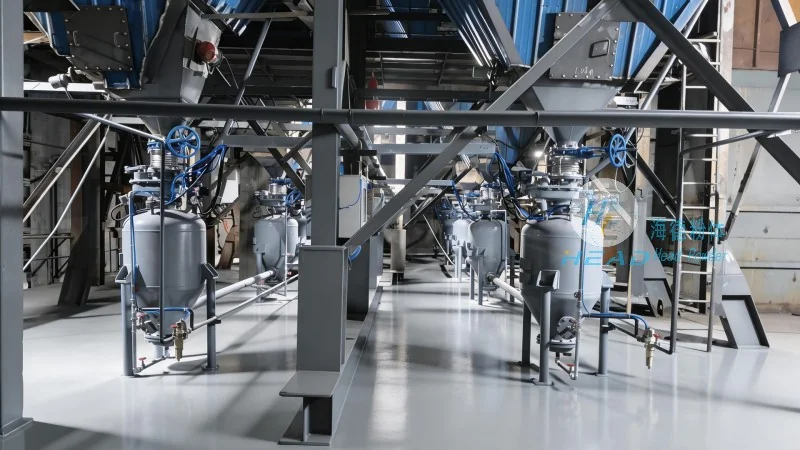
Benefits of Using Eco-Friendly Material Conveying Lines
The adoption of eco-friendly material conveying lines offers numerous benefits for businesses. From an environmental perspective, these systems significantly reduce carbon emissions and energy consumption, helping companies meet sustainability targets and comply with regulations. Economically, the long-term cost savings from reduced energy bills and lower maintenance requirements can outweigh the initial investment. Operationally, the efficiency gains from optimized material movement lead to improved productivity and reduced downtime. Furthermore, the use of sustainable materials and designs enhances a company's reputation as an environmentally responsible organization, which can attract eco-conscious customers and partners. In summary, eco-friendly conveying lines are a strategic investment that aligns industrial operations with environmental stewardship while delivering tangible operational advantages.