

What is Gypsum Material Handling Equipment and What Are Its Design Principles?
When it comes to industrial processes involving gypsum, the efficiency and reliability of material handling equipment are crucial. Gypsum, a widely used mineral in construction and manufacturing, requires specialized equipment to ensure safe and effective transportation. This article explores the nature of gypsum material handling equipment and delves into the fundamental design principles that underpin its functionality, with insights from Shandong HeadPowder Engineering Co., Ltd., a leading provider in the field.
Understanding Gypsum Material Handling Equipment
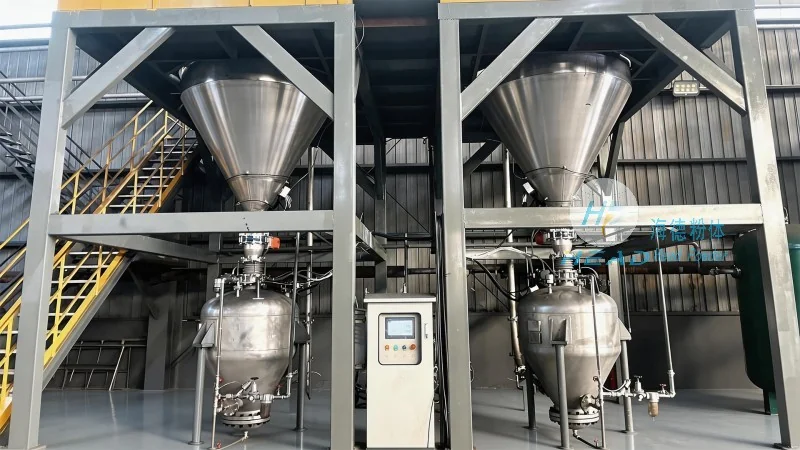
Gypsum material handling equipment is specifically engineered to handle the unique properties of gypsum, such as its bulk density, moisture content, and potential for dust generation. These systems are designed to transport gypsum from storage areas to processing facilities or end-use applications without compromising product quality or worker safety. The equipment typically includes components like conveyors, feeders, and storage silos, all tailored to the physical characteristics of gypsum. Shandong HeadPowder Engineering Co., Ltd. specializes in designing systems that meet these specific requirements, ensuring optimal performance for industrial clients.
Key Design Principles for Gypsum Handling Systems
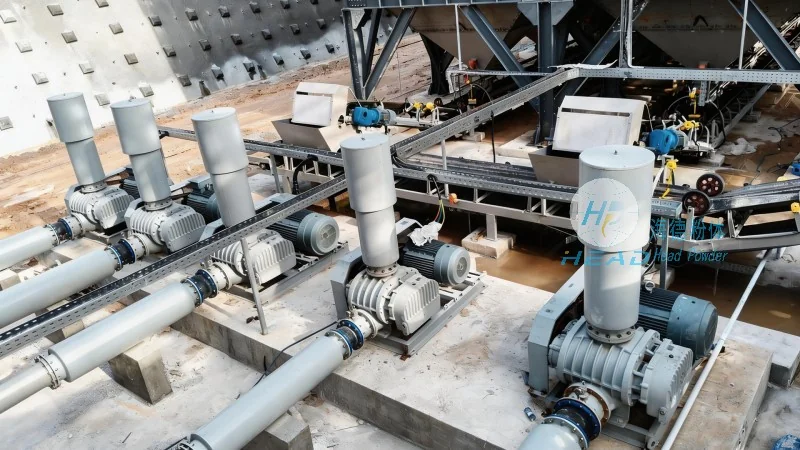
The design of gypsum material handling equipment is guided by several critical principles to ensure optimal performance. First, the equipment must be capable of handling the bulk density of gypsum, which can vary depending on the specific type and moisture level. This often involves the use of heavy-duty conveyors with robust frames and components that can withstand the weight and abrasiveness of the material. Second, dust control is a paramount concern due to gypsum's fine particle nature. Designers incorporate features like enclosed systems, dust collection mechanisms, and sealed components to minimize airborne dust and protect both the material and the environment. Third, the equipment must be designed for easy maintenance and operational flexibility. Gypsum handling systems are often integrated into larger production lines, requiring components that can be easily accessed and serviced without extensive downtime. This includes features like removable parts, adjustable speed controls, and user-friendly interfaces. Additionally, the design must consider the potential for moisture absorption in gypsum, as this can affect material flow and equipment performance. Proper sealing and moisture-resistant materials are incorporated to mitigate these issues.
The Role of Material Properties in Equipment Design
The physical and chemical properties of gypsum directly influence the design of the handling equipment. For instance, gypsum's tendency to stick to surfaces due to its hygroscopic nature means that equipment must be designed with non-stick surfaces or regular cleaning mechanisms. The equipment may also need to accommodate variations in particle size, as different applications require different gypsum types. This flexibility is achieved through adjustable feeders and variable speed conveyors that can adapt to the specific characteristics of the gypsum being handled. Shandong HeadPowder Engineering Co., Ltd. leverages advanced engineering to create customized solutions that address these material-specific challenges.
Ensuring Safety and Compliance in Gypsum Handling
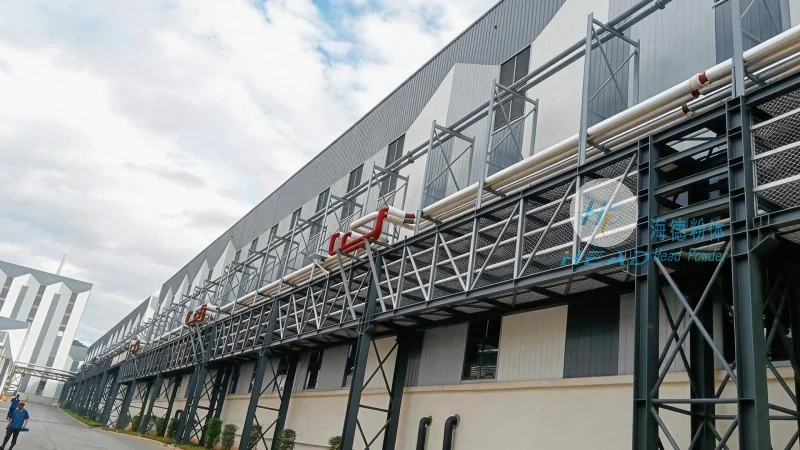
Another critical design principle is the prioritization of safety and regulatory compliance. Gypsum handling equipment must adhere to industry standards and local regulations regarding dust exposure, noise levels, and mechanical safety. This includes features like emergency stop buttons, protective guards, and regular maintenance schedules to prevent accidents. The equipment is also designed to minimize the risk of material spillage or leakage, which can lead to environmental contamination or operational disruptions. Compliance with safety protocols is a core focus for Shandong HeadPowder Engineering Co., Ltd., ensuring that their equipment meets all necessary safety and environmental requirements.
Conclusion: The Importance of Specialized Gypsum Handling Equipment
In conclusion, gypsum material handling equipment is a specialized system designed to address the unique challenges of handling this essential industrial material. The design principles, including robust construction, effective dust control, and operational flexibility, ensure that the equipment can efficiently transport gypsum while maintaining product quality and worker safety. As a key component in the gypsum processing industry, these systems play a vital role in supporting the production of gypsum-based products and meeting the demands of various end-use applications. Shandong HeadPowder Engineering Co., Ltd. exemplifies the expertise required to develop and implement effective gypsum handling solutions that enhance industrial efficiency and safety.