

What is Gypsum Granular Material Conveying Equipment? What Are Its Design Principles?
Gypsum granular material conveying equipment is a specialized industrial device designed to transport gypsum particles efficiently and reliably. This equipment plays a crucial role in various industrial applications, particularly in the processing and handling of gypsum materials. The primary function of such equipment is to move gypsum granules from one location to another within a production facility or between different stages of a processing line. Understanding the components, operation, and design principles of this equipment is essential for optimizing material handling processes and ensuring operational efficiency.
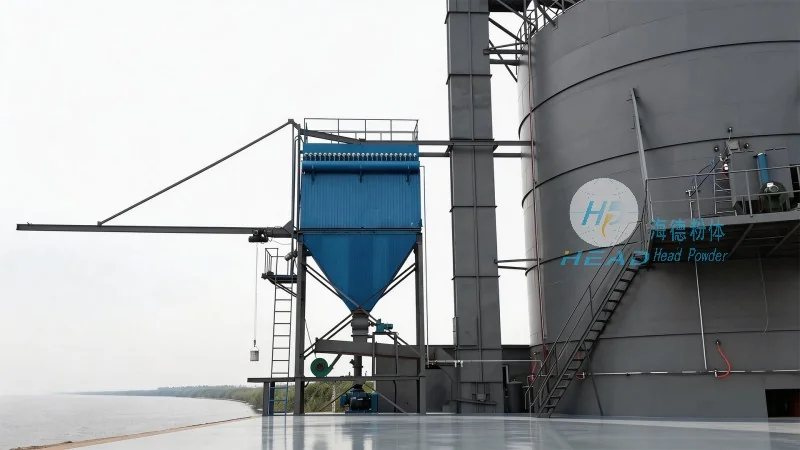
Key Components of Gypsum Granular Material Conveying Equipment
The gypsum granular material conveying equipment typically consists of several key components that work together to facilitate the transport of gypsum particles. These components include a hopper for material storage, a conveyor system (such as a screw conveyor or belt conveyor) for moving the material, a drive mechanism to power the conveyor, and control systems to regulate the operation. The hopper is designed to hold a sufficient quantity of gypsum granules, ensuring a steady supply to the conveyor. The conveyor system is engineered to handle the specific characteristics of gypsum granules, such as their size, density, and flowability. The drive mechanism provides the necessary force to move the material along the conveyor, while the control systems allow operators to adjust the speed and direction of the conveying process as needed.
Design Principles of Gypsum Granular Material Conveying Equipment
The design of gypsum granular material conveying equipment is based on several fundamental principles aimed at maximizing efficiency, durability, and safety. One of the primary design principles is the consideration of material properties. Gypsum granules have specific characteristics, including their particle size distribution, moisture content, and abrasiveness, which influence the choice of conveyor type and materials of construction. For instance, if the gypsum granules are abrasive, the conveyor components may be made from wear-resistant materials like stainless steel or special alloys to extend their service life. Another key design principle is the optimization of material flow. The equipment is designed to minimize material buildup and ensure smooth, continuous flow of gypsum particles. This involves proper hopper design, appropriate conveyor inclination, and effective sealing to prevent material leakage or spillage. Additionally, the design considers operational efficiency, including energy consumption and maintenance requirements. The equipment is engineered to operate with minimal energy input while requiring low maintenance, reducing overall operational costs.
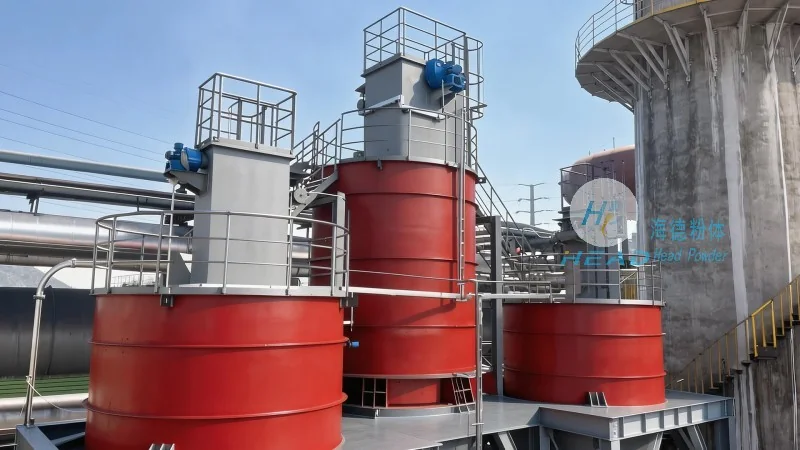
Operational Considerations for Gypsum Granular Material Conveying Equipment
When operating gypsum granular material conveying equipment, several factors must be considered to ensure optimal performance and safety. First, the proper loading of the hopper is crucial. Overloading the hopper can lead to material blockages and increased wear on the conveyor components. It is essential to maintain the hopper at an appropriate level to ensure a steady flow of material. Second, the speed of the conveyor must be adjusted based on the specific requirements of the application. The conveyor speed affects the throughput capacity and the uniformity of material distribution. Operators should monitor the conveyor speed and adjust it as needed to maintain consistent material flow. Third, regular maintenance is vital for the longevity and reliability of the equipment. This includes inspecting and replacing worn parts, cleaning the conveyor system, and checking the drive mechanism for proper operation. Regular maintenance helps prevent breakdowns and ensures that the equipment operates efficiently over its service life. Finally, safety considerations are paramount when operating gypsum granular material conveying equipment. Proper training of operators, use of appropriate personal protective equipment (PPE), and adherence to safety protocols are essential to prevent accidents and injuries.
Applications of Gypsum Granular Material Conveying Equipment
Gypsum granular material conveying equipment is widely used in various industrial sectors that process or handle gypsum materials. One of the primary applications is in the construction industry, where gypsum is used to produce drywall, plaster, and other building materials. The equipment is used to transport gypsum granules from storage facilities to production lines, ensuring a continuous supply of raw material. Another application is in the agricultural sector, where gypsum is used as a soil amendment to improve soil structure and fertility. The conveying equipment is used to move gypsum granules from storage to application sites, such as farms or agricultural fields. Additionally, the equipment is used in the chemical industry for processing gypsum-based products, such as gypsum board and gypsum plaster. The equipment helps in the efficient handling of gypsum granules during the production process, ensuring that the material is transported safely and efficiently.
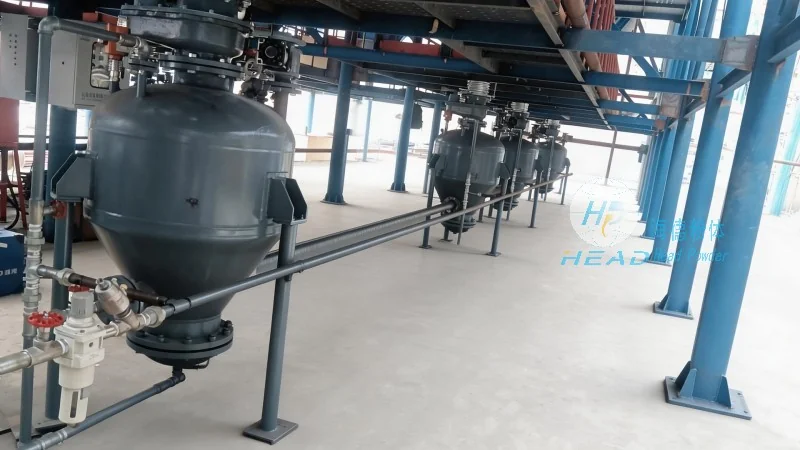
Advantages of Using Gypsum Granular Material Conveying Equipment
There are several advantages to using gypsum granular material conveying equipment in industrial applications. One of the main advantages is the efficiency in material handling. The equipment allows for the continuous and reliable transport of gypsum granules, reducing the need for manual handling and labor. This increases productivity and reduces the risk of material loss or spillage. Another advantage is the durability and longevity of the equipment. The design and construction of the equipment are optimized to withstand the abrasive nature of gypsum granules and the demanding conditions of industrial environments. This results in lower maintenance costs and longer service life compared to other material handling methods. Additionally, the equipment is designed for safety and compliance with industrial standards. The proper sealing and control systems help prevent dust emissions and ensure that the equipment operates within safe parameters. This reduces the risk of health hazards associated with gypsum dust and ensures compliance with environmental regulations. Finally, the equipment is flexible and can be adapted to various industrial applications. The conveyor system can be adjusted to handle different sizes and types of gypsum granules, making it suitable for a wide range of production processes.
Conclusion
Gypsum granular material conveying equipment is a critical component in the industrial processing and handling of gypsum materials. The design and operation of this equipment are based on fundamental principles aimed at maximizing efficiency, durability, and safety. By understanding the key components, design principles, and operational considerations of this equipment, industrial facilities can optimize their material handling processes and improve overall productivity. The equipment, manufactured by Shandong HeadPowder Engineering Co., Ltd., a company based in China, is engineered to meet the specific needs of various industrial applications, ensuring reliable and efficient transport of gypsum granules. With proper maintenance and operation, this equipment can provide long-term value and contribute to the success of industrial operations.