

What is a Denitrizer Material Handling System? What are its Design Principles?
For industrial facilities that utilize denitrification processes, the efficient and reliable transportation of denitrizer materials is crucial. A denitrizer material handling system is a specialized setup designed to manage the movement, storage, and distribution of denitrifying agents within a plant. These systems are integral to maintaining the performance and safety of the overall denitrification operation. The design of such systems involves careful consideration of several key factors to ensure optimal functionality and longevity.
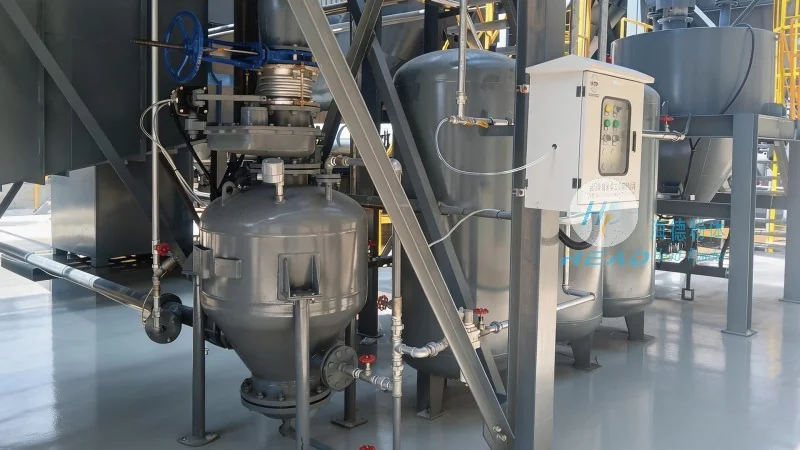
Key Components of a Denitrizer Material Handling System
The core components of a denitrizer material handling system typically include storage silos or hoppers, conveying equipment (such as screw conveyors, belt conveyors, or pneumatic systems), feeding mechanisms, and control systems. The storage silos are designed to hold the denitrizer powder or granules, ensuring a steady supply to the conveying equipment. The choice of conveying method depends on the material properties, such as bulk density, flowability, and moisture content. For example, screw conveyors are commonly used for dry, free-flowing materials, while pneumatic systems may be preferred for dusty or fine powders that require dust control measures.
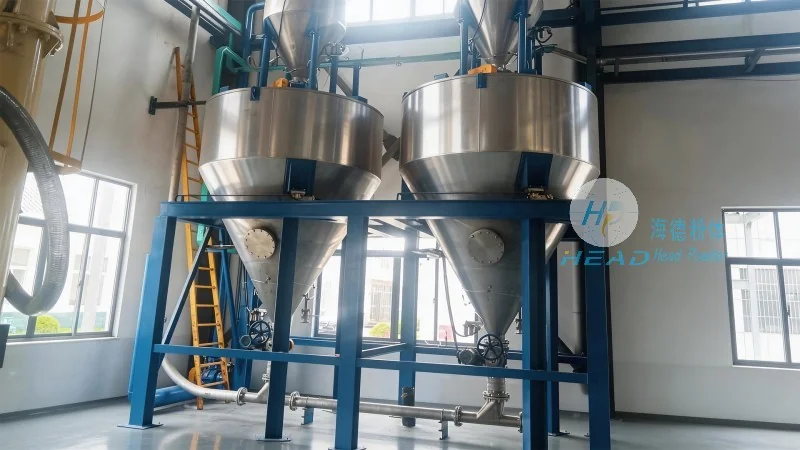
Design Principles for Optimal Performance
The design principles of a denitrizer material handling system focus on several critical aspects to ensure efficiency, safety, and durability. First, material compatibility is paramount. The system components must be constructed from materials that resist corrosion and abrasion from the denitrizer, which often contains chemicals like urea or ammonia. Stainless steel or corrosion-resistant alloys are commonly used for hoppers and conveyor parts to extend the system's lifespan. Second, flow control is essential to prevent issues like bridging, rat-holing, or segregation, which can disrupt the material flow and lead to uneven denitrification. This is achieved through the use of agitators, vibrators, or air knives in the storage silos and hoppers. Third, dust control is a critical safety and environmental consideration. Proper sealing of the system, use of dust collection systems, and implementation of explosion-proof designs are essential to comply with safety regulations and protect personnel.
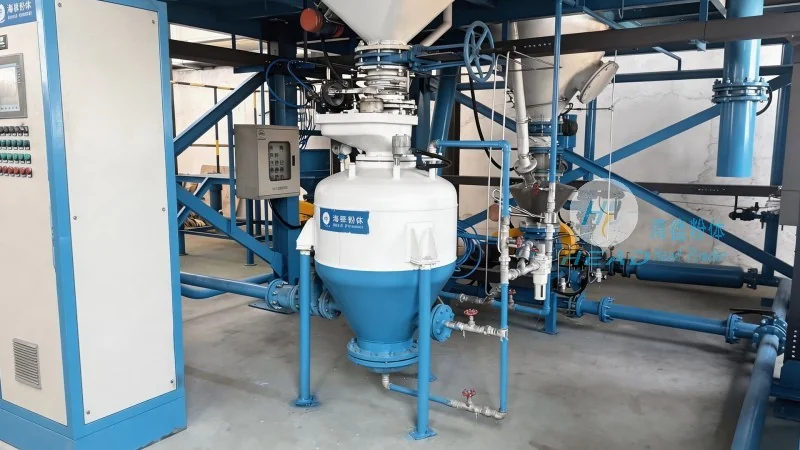
System Integration and Automation
Modern denitrizer material handling systems often integrate with the broader plant control systems, allowing for automated operation and real-time monitoring. Sensors and level indicators are used to track the material levels in the silos, while flow meters monitor the rate of material transport. This integration enables the system to adjust its operation based on the plant's demand, ensuring a consistent supply of denitrizer to the reaction units. Automation also reduces the risk of human error and enhances the overall efficiency of the process.
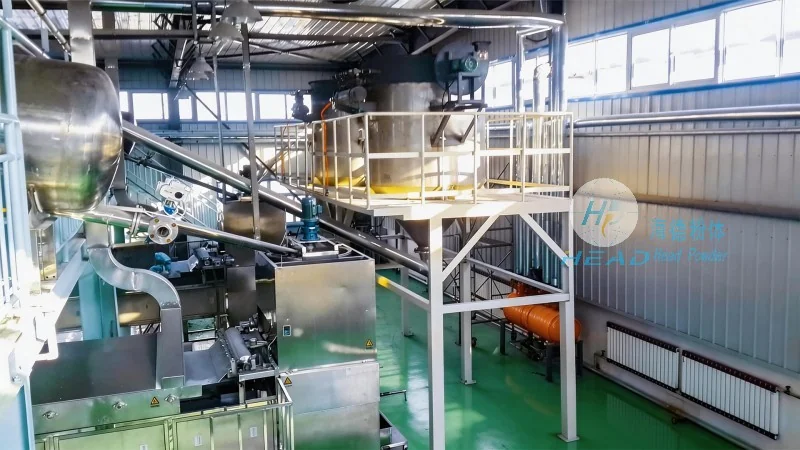
Maintenance and Operational Considerations
Proper maintenance is vital to keep a denitrizer material handling system operating at peak performance. Regular inspections of the conveyor components, silo liners, and sealing systems are necessary to identify and address potential issues before they become major problems. Cleaning the system, especially after handling different batches of denitrizer, is also important to prevent cross-contamination and maintain material quality. Operational considerations include ensuring that the system is designed to handle the specific characteristics of the denitrizer, such as its bulk density and flowability, to avoid overloading or underutilization of the equipment.