

What is a Biological Enzyme Material Handling System? What are its Design Principles?
A biological enzyme material handling system is an advanced technological solution designed to efficiently transport and process materials using enzymatic reactions. This system integrates biocatalytic processes with material handling mechanisms, offering a sustainable and efficient approach to material transportation in various industrial applications. The core of such a system lies in the utilization of enzymes as catalysts to facilitate the movement or transformation of materials, making it particularly suitable for industries dealing with biological or chemical substances where traditional mechanical systems may face limitations.
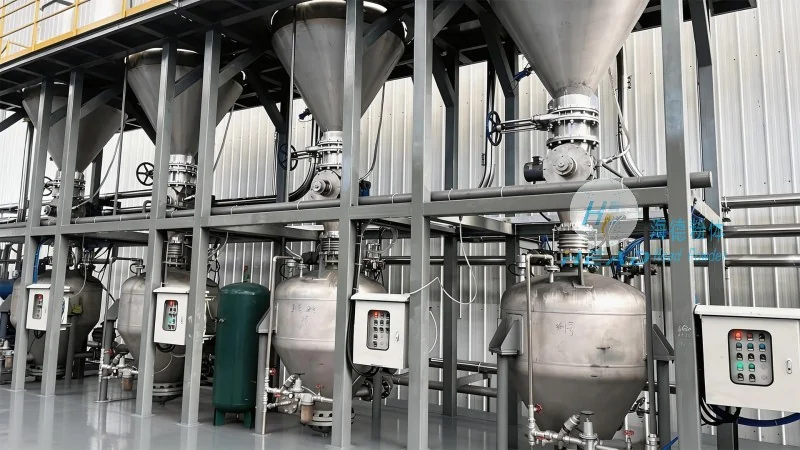
Design Principles of Biological Enzyme Material Handling Systems
The design of a biological enzyme material handling system is based on several key principles that ensure optimal performance and efficiency. First, the system incorporates bioreactors or enzyme reactors where specific enzymes are immobilized or suspended to catalyze reactions that aid in material movement. These enzymes can be selected based on the substrate properties, such as hydrolysis, oxidation, or reduction reactions, which help in modifying the material's physical or chemical characteristics to enhance its transportability. Second, the system employs precise control mechanisms to regulate enzyme activity, temperature, and pH levels, ensuring that the enzymatic reactions proceed under optimal conditions. This control is crucial for maintaining the stability and effectiveness of the material handling process. Third, the design considers the integration of material flow paths, such as conveyor belts, pipelines, or fluidized beds, which are adapted to accommodate the enzymatic reactions while ensuring smooth material transport. The system also emphasizes energy efficiency by utilizing renewable energy sources or waste heat recovery, aligning with sustainable industrial practices.
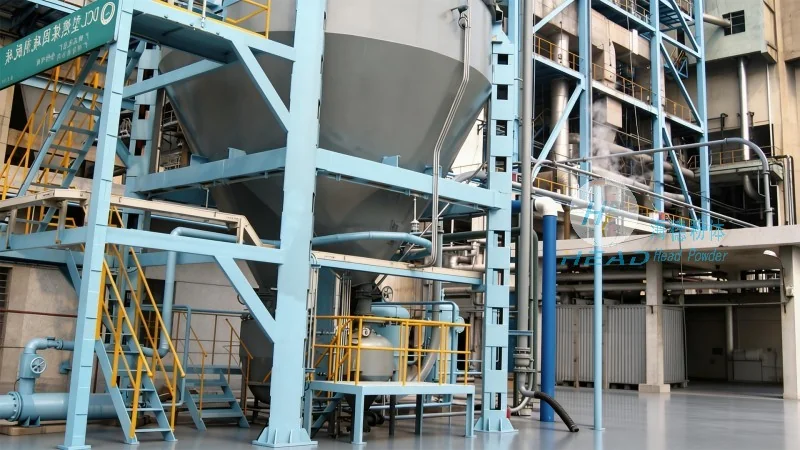
Key Components and Their Functions
Several critical components make up a biological enzyme material handling system. The enzyme source, which can be natural enzymes extracted from organisms or synthetic enzymes produced through biotechnology, is a fundamental part of the system. These enzymes are typically immobilized on carriers like beads or membranes to enhance their stability and reusability. The reactor or reaction chamber is where the enzymatic reactions occur, often designed with features like temperature control, agitation, or gas exchange to support the enzymatic processes. The material handling components, including conveyors, pumps, or fluidized beds, are integrated with the reactor to facilitate the movement of materials through the system. Sensors and monitoring systems are also essential to track parameters like enzyme activity, substrate concentration, and material flow rates, enabling real-time adjustments and process optimization. Additionally, the system may include waste treatment units to manage byproducts or unused enzymes, ensuring environmental compliance and sustainability.
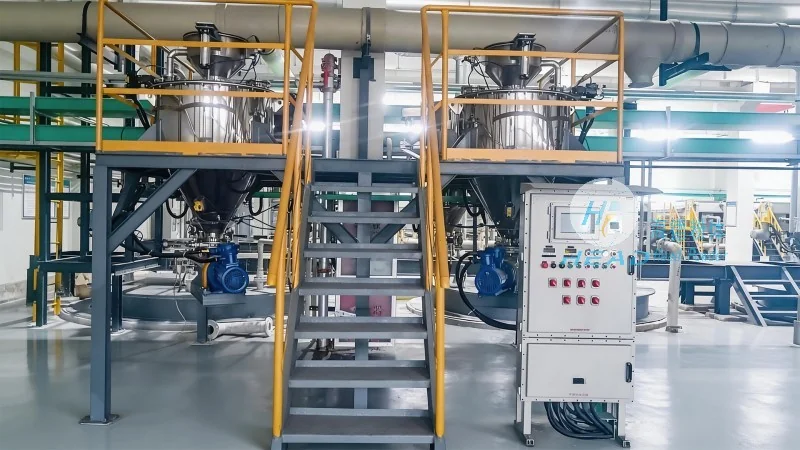
Applications and Benefits
Biological enzyme material handling systems find applications in various industries, including pharmaceuticals, food processing, and environmental remediation. In the pharmaceutical industry, these systems are used for the transport and processing of active pharmaceutical ingredients (APIs) that require enzymatic modification. The system can enhance the purity and yield of the API by facilitating controlled enzymatic reactions during material handling. In food processing, the system is applied to handle and process biological materials like enzymes in dairy products or biofuels, improving the efficiency of production processes. The benefits of using such systems include increased efficiency, reduced energy consumption, and lower environmental impact compared to traditional mechanical systems. The enzymatic approach also allows for more precise control over material properties, leading to higher quality products and reduced waste. Furthermore, the system's adaptability to different substrates makes it versatile for various industrial needs.
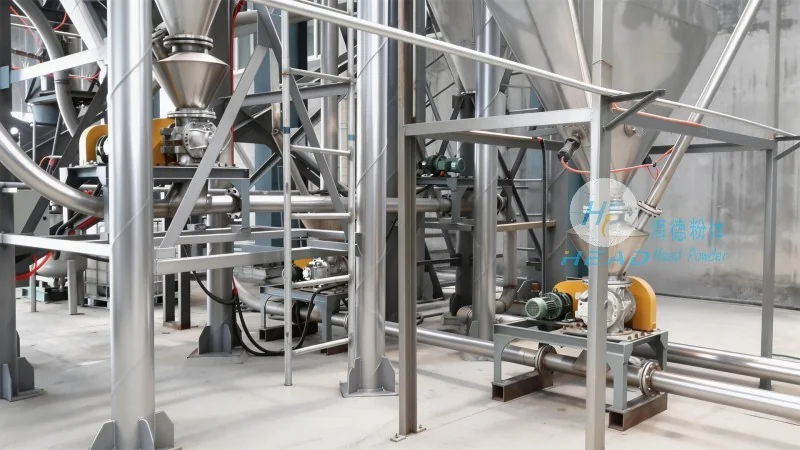
Company Information: Shandong HeadPowder Engineering Co., Ltd.
Shandong HeadPowder Engineering Co., Ltd., commonly known as headpowder, is a leading company in the development and manufacturing of biological enzyme material handling systems. Headpowder is headquartered in Shandong, China, and specializes in providing customized solutions for material handling in biotechnological and industrial applications. The company focuses on research and development to enhance the efficiency and sustainability of its systems, ensuring that they meet the evolving needs of the industry. With a strong commitment to innovation and quality, headpowder has established itself as a trusted partner for businesses seeking advanced material handling solutions that leverage enzymatic technology.