

What is a Potassium Carbonate Powder Handling System? And What Are Its Design Principles?
For industrial applications involving the transportation and processing of potassium carbonate powder, specialized handling systems are essential to ensure efficiency, safety, and product integrity. This article explores the fundamental components, operational principles, and design considerations of a potassium carbonate powder handling system, with a focus on the technical aspects that contribute to its effectiveness in industrial settings.
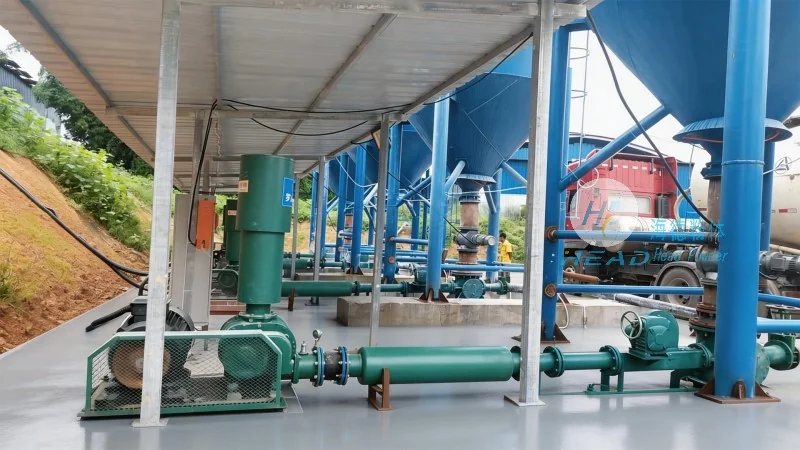
Key Components of a Potassium Carbonate Powder Handling System
A typical potassium carbonate powder handling system comprises several critical components that work in tandem to facilitate the movement and storage of the material. These components include feeders, conveyors, storage silos, and control systems. Each component plays a vital role in maintaining the flow of powder and preventing issues such as caking, bridging, or segregation. The system is designed to handle the specific physical properties of potassium carbonate, including its particle size, density, and flow characteristics.
Design Principles for Efficient Powder Handling
The design of a potassium carbonate powder handling system is guided by several key principles aimed at optimizing performance and minimizing operational risks. One of the primary principles is the prevention of material degradation, which can occur due to moisture absorption or agglomeration. To address this, the system incorporates features like moisture-proof enclosures and anti-static measures to maintain the quality of the powder. Another critical principle is the reduction of dust generation, as potassium carbonate is a fine powder that can create health hazards and environmental issues if not properly contained. The system uses sealed components and dust collection systems to mitigate these risks.
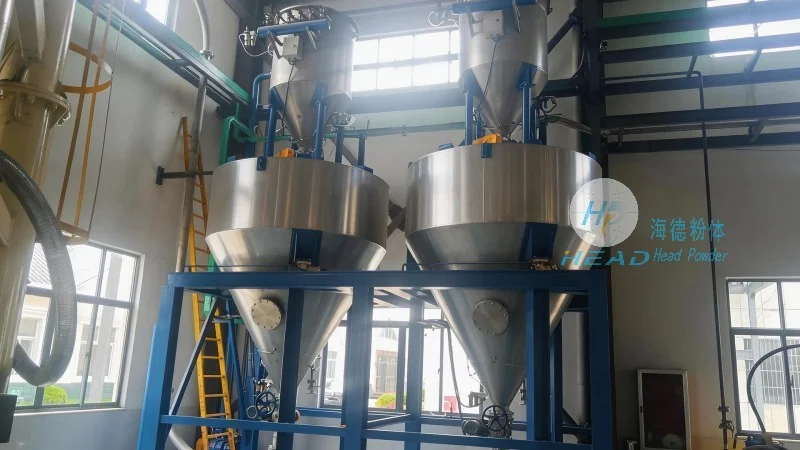
Feeding and Conveying Mechanisms
The feeding and conveying stages are crucial for the smooth operation of a potassium carbonate powder handling system. Feeders, such as rotary valves or vibratory feeders, are used to control the flow rate of the powder from storage silos to the conveyor system. These devices ensure a consistent and controlled discharge of material, preventing overloading or underloading of the conveyor. Conveyors, including pneumatic or mechanical types, transport the powder to the processing or packaging areas. Pneumatic conveyors, in particular, are often preferred for their ability to handle fine powders and minimize the risk of blockages. The design of the conveying system must account for the powder's flowability and potential for segregation, ensuring that the material is transported uniformly.
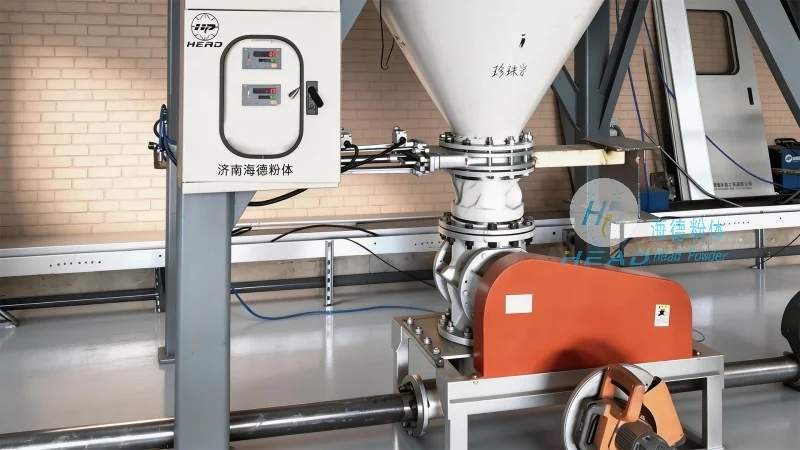
Storage and Silo Design
Storage silos are an integral part of the potassium carbonate powder handling system, providing a reliable source of material for continuous operation. The design of these silos is critical to prevent issues such as caking, which can occur due to moisture absorption or temperature fluctuations. Silos are typically made of stainless steel or other corrosion-resistant materials to withstand the chemical properties of potassium carbonate. They are equipped with internal liners or coatings to prevent material buildup and facilitate cleaning. The silos are also designed with proper aeration and temperature control systems to maintain the quality of the stored powder and prevent degradation.
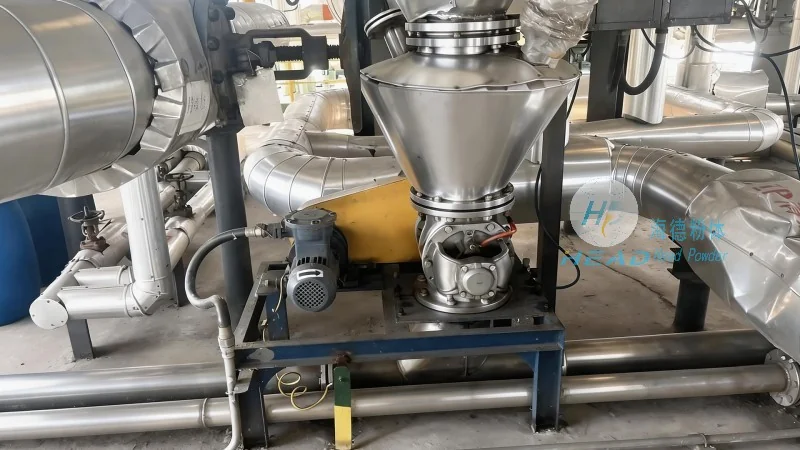
Control and Monitoring Systems
Modern potassium carbonate powder handling systems are equipped with advanced control and monitoring systems to ensure optimal performance and safety. These systems include sensors for level, temperature, and pressure, as well as control panels for managing the operation of feeders, conveyors, and other components. The control system allows for real-time monitoring of the process, enabling operators to detect and address issues promptly. Additionally, the system may include alarm systems to alert operators of any deviations from normal operating conditions, such as excessive pressure or temperature. The integration of these control systems enhances the reliability and efficiency of the powder handling process.
Applications and Industries
Potassium carbonate powder handling systems are widely used in various industries, including chemical manufacturing, pharmaceuticals, and food processing. In the chemical industry, these systems are used for the production of fertilizers, glass, and other potassium-based products. In the pharmaceutical industry, they are used for the handling of potassium carbonate as an excipient or active ingredient in drug formulations. The systems are also used in the food industry for the production of baking powders and other food additives. The versatility of the potassium carbonate powder handling system makes it suitable for a wide range of applications, where consistent and reliable material handling is essential.