

What is a Sodium Chloride Powder Handling System? And What Are Its Design Principles?
Sodium chloride, commonly known as table salt, is a widely used chemical compound in various industries, including food processing, pharmaceuticals, and chemical manufacturing. The efficient and safe transportation of sodium chloride powder is crucial for industrial operations, as it directly impacts production efficiency, product quality, and operational safety. This article explores the concept of a sodium chloride powder handling system and delves into its fundamental design principles, highlighting the key components and technologies that ensure reliable and effective material transport.
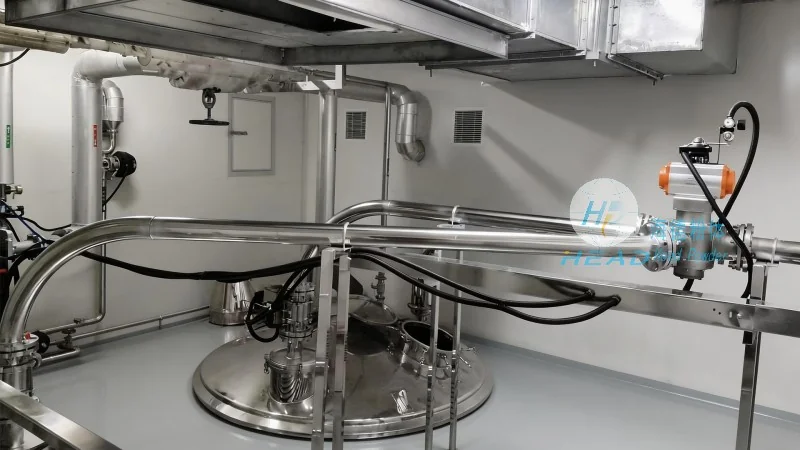
About HeadPowder: Your Expert in Powder Handling Solutions
At Shandong HeadPowder Engineering Co., Ltd., we specialize in providing advanced powder handling systems tailored to the unique needs of industries dealing with sodium chloride and other bulk powders. With years of experience and a commitment to innovation, HeadPowder has established itself as a leading provider of reliable and efficient powder transport solutions. Our company, headquartered in Shandong, China, leverages cutting-edge engineering and manufacturing capabilities to deliver systems that meet the highest standards of performance, durability, and safety. Whether you are in the food, pharmaceutical, or chemical sector, HeadPowder offers customized solutions that optimize your sodium chloride handling processes.
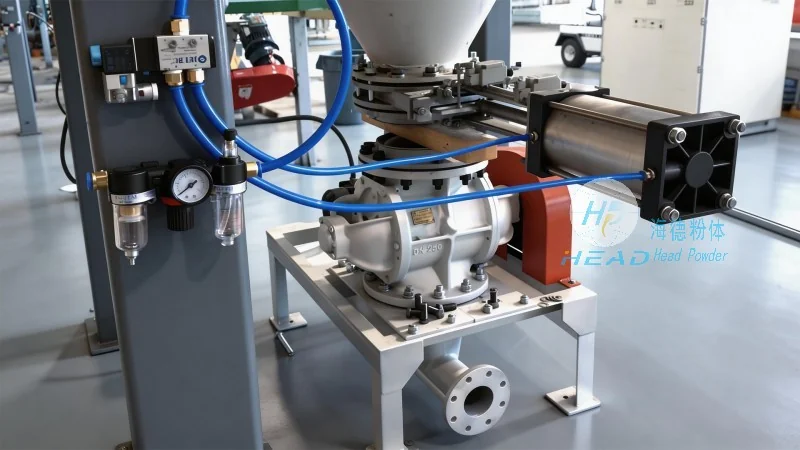
Key Components of a Sodium Chloride Powder Handling System
A sodium chloride powder handling system typically consists of several interconnected components designed to ensure the seamless transport of the material from storage to processing or packaging. The primary components include:
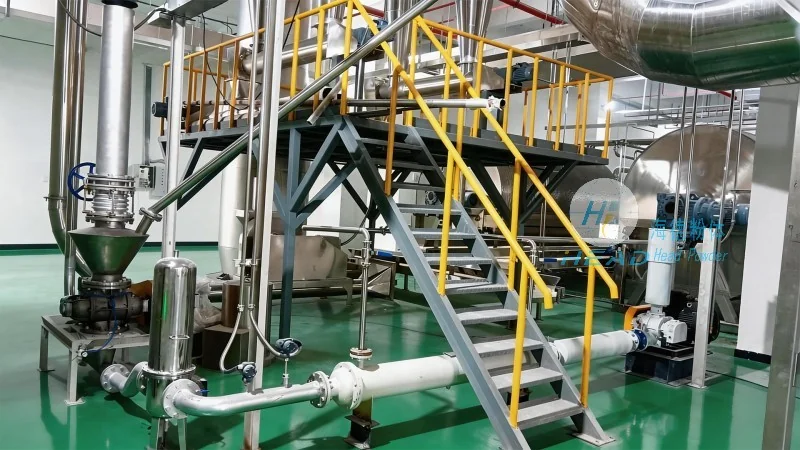
- Storage Silos: Large, airtight silos are used to store bulk sodium chloride, maintaining its quality and preventing moisture absorption. These silos are equipped with level indicators and discharge valves to control the flow of material.
- Pneumatic Conveying Systems: This technology uses compressed air to transport sodium chloride powder through a network of pipes. Pneumatic systems are ideal for long-distance transport and can handle both dilute and dense phase flows, ensuring minimal product degradation.
- Rotary Valves and Feeders: These devices regulate the flow of sodium chloride from the storage silos to the conveying system, ensuring a consistent and controlled discharge rate. Rotary valves are particularly effective in preventing material buildup and maintaining a steady flow.
- Conveying Pipelines: High-quality, corrosion-resistant pipelines are used to transport the powder, often made from materials like stainless steel or special alloys to withstand the chemical properties of sodium chloride.
- Control Systems: Advanced control systems monitor and regulate the entire powder handling process, ensuring optimal performance, energy efficiency, and safety. These systems can include sensors for level, pressure, and flow, as well as automated controls for start-up and shutdown.
Design Principles for Efficient Sodium Chloride Powder Handling
The design of a sodium chloride powder handling system follows several critical principles to ensure efficiency, safety, and durability. These principles are tailored to the unique characteristics of sodium chloride, such as its hygroscopic nature and potential for bridging or caking. Key design considerations include:
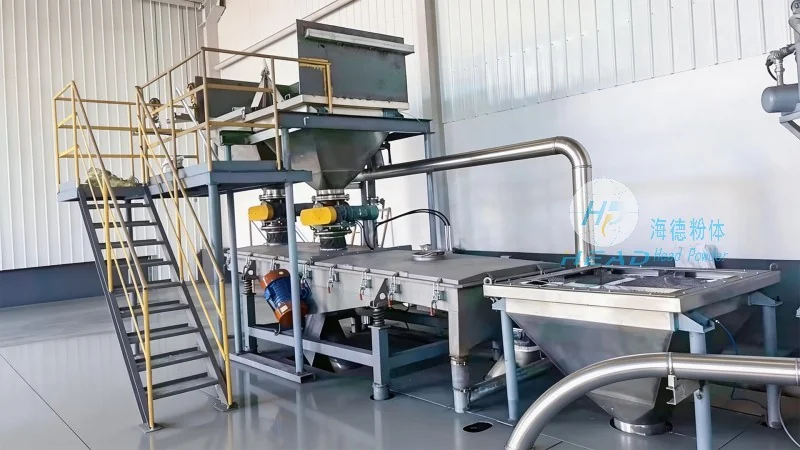
- Preventing Moisture and Caking: Sodium chloride is hygroscopic, meaning it absorbs moisture from the air, which can lead to caking and blockages in the system. Design principles involve using airtight storage and conveying equipment, maintaining low humidity levels, and incorporating anti-caking agents or additives if necessary.
- Ensuring Flowability: Proper design of storage silos and feeders is crucial to maintain the flowability of sodium chloride. This includes using appropriate hopper angles, anti-wedge devices, and vibration systems to prevent material bridging and ensure consistent discharge.
- Minimizing Product Contamination: The system must be designed to prevent cross-contamination and maintain product purity. This involves using cleanable and sanitary components, especially in food and pharmaceutical applications, and ensuring that all materials in contact with sodium chloride are compatible and non-reactive.
- Energy Efficiency: Modern powder handling systems are designed with energy efficiency in mind. This includes optimizing the pressure and flow rates in pneumatic conveying systems, using efficient motors and drives, and implementing energy-saving control strategies.
- Safety and Compliance: Safety is a top priority in the design of sodium chloride powder handling systems. This includes incorporating explosion-proof components, dust collection systems, and emergency shutdown mechanisms to comply with industrial safety regulations and standards.
Benefits of Implementing a Professional Sodium Chloride Powder Handling System
Adopting a well-designed sodium chloride powder handling system from HeadPowder offers numerous benefits for industrial operations. These include: