

What is Hydrogen Sulfide Powder Handling? And What Are Its Design Principles?
HeadPowder, or Shandong HeadPowder Engineering Co., Ltd., is a professional manufacturer based in Shandong, China, specializing in the design and supply of equipment for handling hazardous powders, including systems for hydrogen sulfide (H₂S) powder transport. Our expertise lies in creating safe and efficient solutions tailored to the unique challenges of transporting such materials.
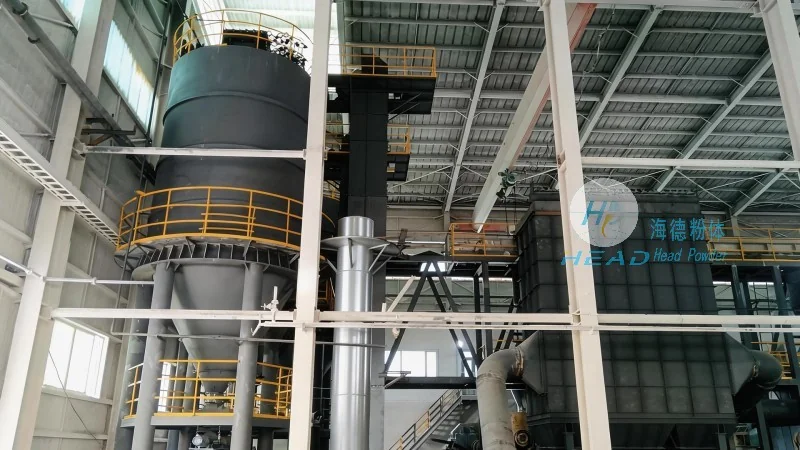
Understanding Hydrogen Sulfide Powder Handling
Hydrogen sulfide (H₂S) is a highly toxic and flammable gas that can exist as a powder in certain industrial applications. Handling this powder requires specialized equipment due to its hazardous properties. The primary goal of H₂S powder handling systems is to transport the material safely from storage to processing units while minimizing exposure risks to personnel and preventing environmental contamination. This involves controlling dust generation, ensuring proper ventilation, and maintaining the integrity of the material during transport.
Design Principles for Hydrogen Sulfide Powder Handling Systems
The design of H₂S powder handling systems follows several critical principles to ensure safety and efficiency. First, containment is paramount: all components must be designed to prevent leaks and spills, as H₂S is both toxic and corrosive. This includes using sealed hoppers, conveyors, and storage vessels with robust seals and pressure relief systems. Second, dust control is essential to prevent inhalation of toxic particles. Systems typically incorporate dust collection and filtration units, often with HEPA filters to capture fine H₂S particles. Third, material flow management is crucial to avoid blockages and ensure consistent transport. This involves using appropriate conveyor types, such as pneumatic or mechanical conveyors, and incorporating flow aids like vibrators or air knives to maintain smooth material movement. Fourth, safety interlocks and monitoring systems are integrated to detect leaks, overpressure, or other hazards, providing immediate alerts and shutdown capabilities.
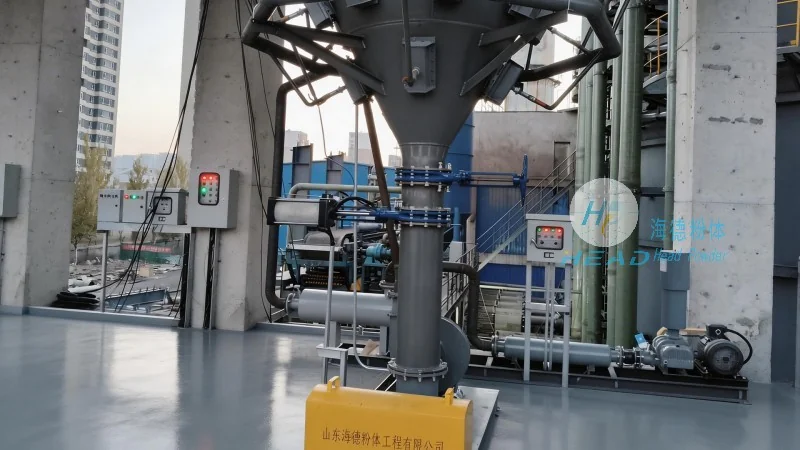
Key Components of Hydrogen Sulfide Powder Handling Systems
HeadPowder's systems typically include several key components that work together to achieve safe and efficient powder transport. The primary components are: 1. Storage Hopper: A sealed container designed to store H₂S powder under controlled conditions, often with a discharge valve to regulate material flow. 2. Pneumatic Conveying System: This system uses compressed air to transport the powder through a pipeline, which is ideal for long-distance or high-temperature applications. 3. Conveying Line: The pipeline network that connects the storage hopper to the processing unit, equipped with valves, elbows, and other fittings to direct the material. 4. Dust Collection System: A filtration unit that captures any airborne H₂S particles, ensuring compliance with environmental regulations and protecting personnel. 5. Control Panel: An interface that allows operators to monitor system status, adjust parameters (such as air pressure or flow rate), and activate safety features. Each component is selected based on the specific characteristics of the H₂S powder, such as particle size, moisture content, and bulk density, to ensure optimal performance.
Safety Measures in Hydrogen Sulfide Powder Handling
Due to the hazardous nature of H₂S, stringent safety measures are mandatory in any handling system. HeadPowder's designs incorporate multiple layers of protection. First, the entire system is constructed from materials resistant to H₂S corrosion, such as stainless steel or specialized alloys, to prevent degradation over time. Second, the system includes continuous monitoring of gas levels and pressure, with alarms and automatic shutdowns triggered if levels exceed safe limits. Third, personnel access is restricted to authorized individuals, with interlocked doors and emergency stop buttons placed at strategic locations. Fourth, regular maintenance and inspection protocols are enforced to ensure all components remain in good working condition. These measures collectively minimize the risk of accidents and ensure compliance with industry safety standards.
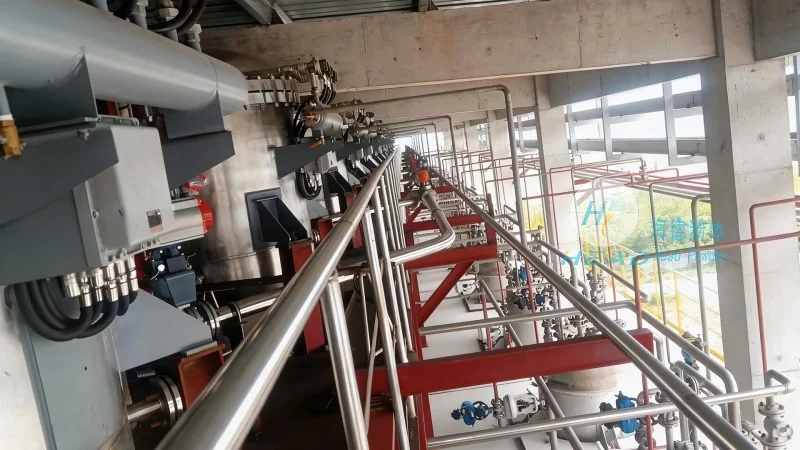
Applications of Hydrogen Sulfide Powder Handling
Hydrogen sulfide powder handling systems are used in various industrial sectors where H₂S is a byproduct or raw material. Common applications include: 1. Chemical Manufacturing: In the production of sulfuric acid or other sulfur-based compounds, where H₂S is generated as a byproduct and needs to be transported to treatment facilities. 2. Petroleum and Natural Gas Processing: In refineries and gas processing plants, where H₂S is removed from natural gas and transported for further processing or disposal. 3. Mineral Processing: In the extraction of sulfur from ores, where H₂S is produced during the smelting process and must be handled safely. 4. Waste Management: In facilities that treat industrial waste containing H₂S, where the powder is transported for disposal or recycling. In each of these applications, the system must be tailored to the specific process requirements, ensuring that the material is handled efficiently while maintaining safety.
Maintenance and Maintenance of Hydrogen Sulfide Powder Handling Systems
Proper maintenance is critical to the longevity and performance of H₂S powder handling systems. HeadPowder recommends regular inspections and maintenance activities to ensure the system operates as intended. Key maintenance tasks include: 1. Filter Replacement: The dust collection system's filters should be inspected and replaced regularly to prevent clogging and maintain filtration efficiency. 2. Component Inspection: Seals, valves, and other moving parts should be checked for wear and tear, with replacements made as needed to prevent leaks. 3. Pressure Testing: The system should be periodically pressure-tested to verify the integrity of the seals and vessels, ensuring no leaks are present. 4. Calibration: The control panel and monitoring systems should be calibrated to ensure accurate readings and proper operation. Regular maintenance not only extends the lifespan of the equipment but also reduces the risk of failures that could lead to safety incidents or production downtime.