

Corn Kernels Powder Conveying: What It Is and Its Design Principles
Corn kernels powder conveying refers to the process of transporting corn kernels in a powdered or granular form, typically used in industrial applications such as food processing, animal feed production, and agricultural storage. This method involves converting whole corn kernels into a fine powder or granular material and then moving it through a system designed to handle these materials efficiently. The technology is crucial for industries that require large-scale handling of corn-based products, ensuring consistent quality and operational efficiency.
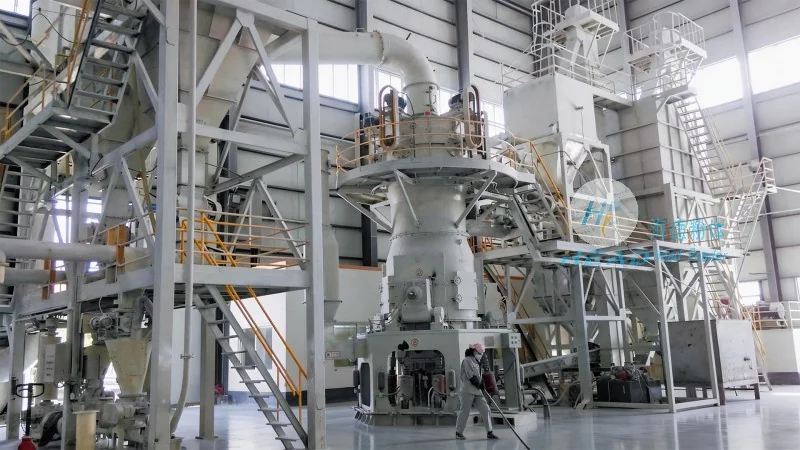
About HeadPowder: Your Expert in Powder Handling Solutions
HeadPowder, a leading provider of advanced powder handling systems, specializes in developing customized solutions for corn kernels and other bulk materials. With a focus on innovation and reliability, the company has established itself as a trusted partner in the industry. HeadPowder's team of engineers and technicians brings extensive experience in designing and implementing efficient conveying systems that meet the unique demands of corn processing facilities. The company's headquarters is located in Shandong, China, where it operates from a state-of-the-art facility equipped with cutting-edge technology and research capabilities.
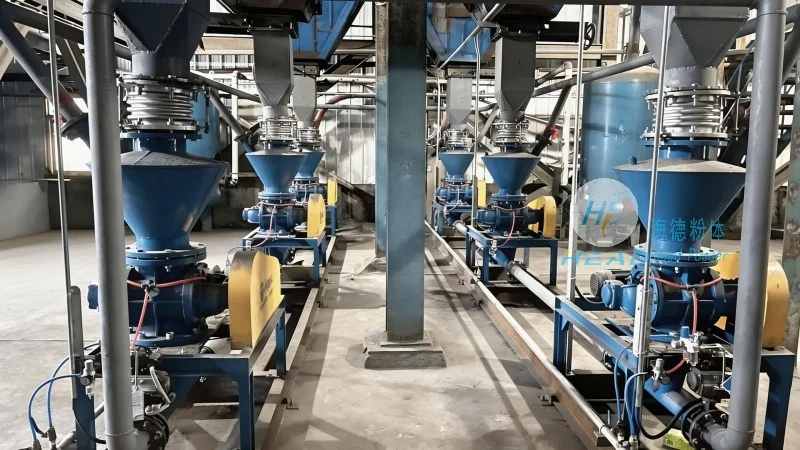
The Core Design Principles of Corn Kernels Powder Conveying Systems
The design of corn kernels powder conveying systems is based on several fundamental principles that ensure optimal performance, safety, and durability. These principles include material flow optimization, equipment selection based on material properties, and system integration tailored to specific operational requirements. A key aspect is the consideration of corn kernels' physical characteristics, such as particle size, moisture content, and density, which directly impact the conveying method and equipment choice. For instance, the system must account for the potential for caking or bridging in the powder, as these can lead to blockages and operational issues. To address this, engineers employ various design strategies, including the use of appropriate hopper designs, vibration systems, and aeration to maintain consistent flow.
Key Components and Their Functions in Corn Kernels Powder Conveying
Modern corn kernels powder conveying systems typically consist of several interconnected components, each playing a critical role in the overall operation. The primary components include feed hoppers, conveyors (such as screw conveyors, pneumatic conveyors, or bucket elevators), control systems, and material handling accessories. Feed hoppers are designed to store and feed the corn kernels powder into the conveying system, ensuring a steady supply. Screw conveyors are commonly used for horizontal or slight incline transport, leveraging the rotating screw to move material forward. Pneumatic conveyors, on the other hand, use air pressure to transport the powder through pipes, offering flexibility in system layout. Bucket elevators are ideal for vertical transport, lifting the material from lower to higher levels with minimal energy consumption. Control systems, often integrated with sensors and automation, monitor the flow rate, pressure, and other parameters to maintain system stability and prevent overloading. Additionally, accessories like valves, filters, and dust collection systems are essential for controlling material release, preventing contamination, and ensuring environmental compliance.
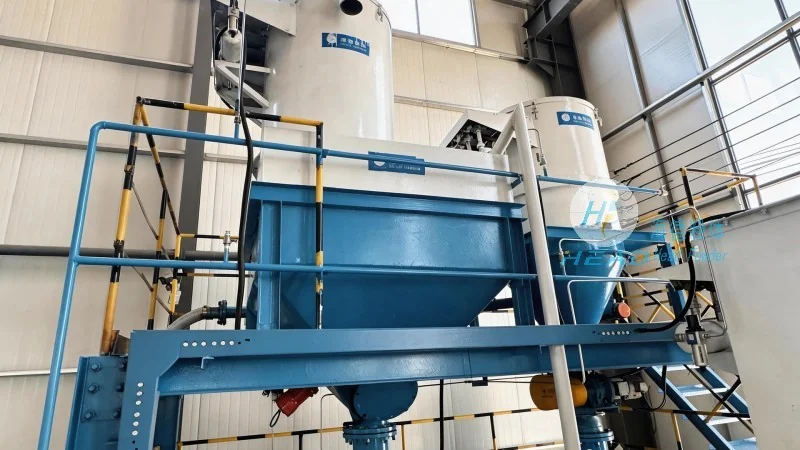
Ensuring Efficiency and Reliability in Corn Kernels Powder Handling
Efficiency and reliability are paramount in corn kernels powder conveying systems, as any downtime or material loss can significantly impact production costs and product quality. HeadPowder's design approach emphasizes durability and low maintenance, using high-quality materials and robust construction to withstand the demands of continuous operation. The company's engineers conduct thorough material analysis and process simulations to optimize system performance, reducing energy consumption and minimizing wear on components. For example, the selection of appropriate conveyor types and sizes is based on the specific flow rate requirements and the physical properties of the corn kernels powder. Proper maintenance schedules, including regular cleaning and inspection of components, are also critical to maintaining system efficiency. By adhering to these principles, HeadPowder ensures that its customers receive systems that operate reliably, with minimal downtime and consistent output.