

Chlorinated Polyethylene Powder Conveying: Exploring Its Function and Design Principles
Chlorinated polyethylene (CPE) is a versatile polymer widely used in various industrial applications due to its excellent chemical resistance, flexibility, and durability. When it comes to handling CPE powder, efficient and reliable conveying systems are essential to ensure smooth material flow and maintain product quality. This article delves into the concept of chlorinated polyethylene powder conveying and explores the underlying design principles that make such systems effective.
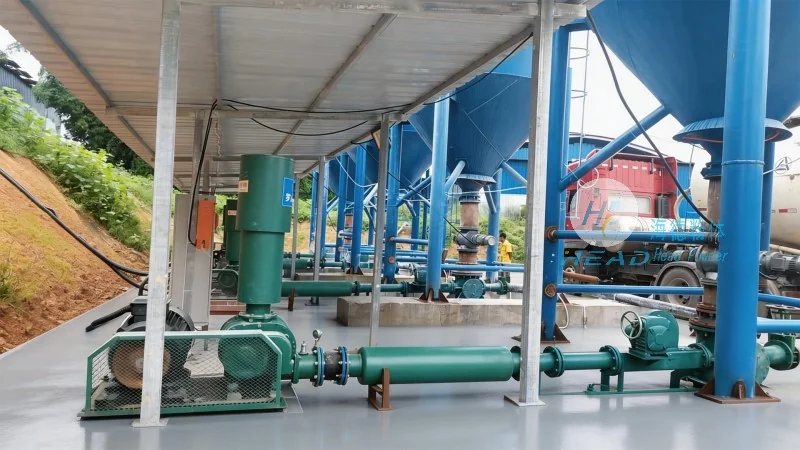
Understanding Chlorinated Polyethylene Powder Conveying
Chlorinated polyethylene powder conveying refers to the process of transporting CPE powder from one location to another within industrial facilities. This can involve moving the material from storage silos to processing equipment, or from production lines to packaging areas. The primary goal of such systems is to achieve consistent and controlled flow rates while minimizing material degradation, caking, or segregation. Efficient conveying of CPE powder is crucial for maintaining production efficiency and ensuring the quality of downstream processes.
The Role of Design Principles in CPE Powder Conveying
The design of CPE powder conveying systems is based on several key principles that address the unique properties of CPE powder and the operational requirements of industrial applications. These principles include material handling characteristics, system efficiency, and equipment durability. For instance, CPE powder is often hygroscopic and can be prone to agglomeration, which requires careful consideration of material flow and equipment design to prevent blockages and ensure smooth operation.
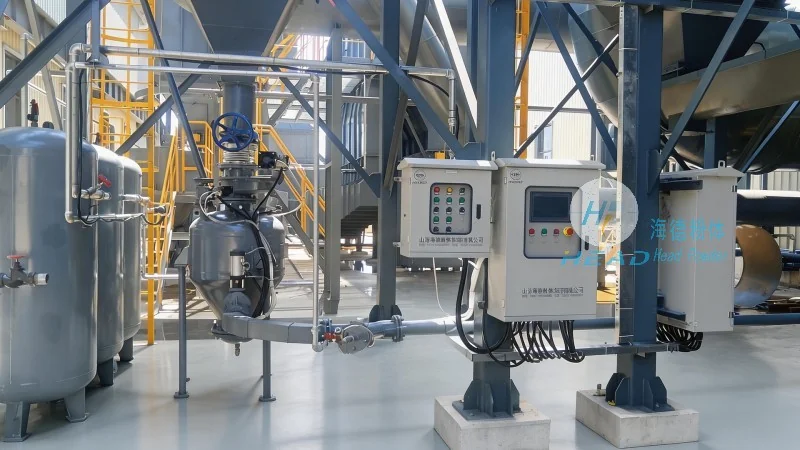
Key Components and Design Considerations
Effective CPE powder conveying systems typically incorporate several critical components, each designed to address specific challenges associated with the material. These components may include hoppers, feeders, conveyors (such as screw conveyors or pneumatic systems), and control mechanisms. The selection of each component is influenced by factors like the bulk density of CPE powder, its flow characteristics, and the distance and elevation changes required for material transport. For example, screw conveyors are commonly used for horizontal or slight incline transport due to their ability to handle a wide range of materials and provide consistent flow rates. Pneumatic conveyors, on the other hand, are suitable for longer distances or when the material needs to be transported vertically, as they use air pressure to move the powder through a pipeline.
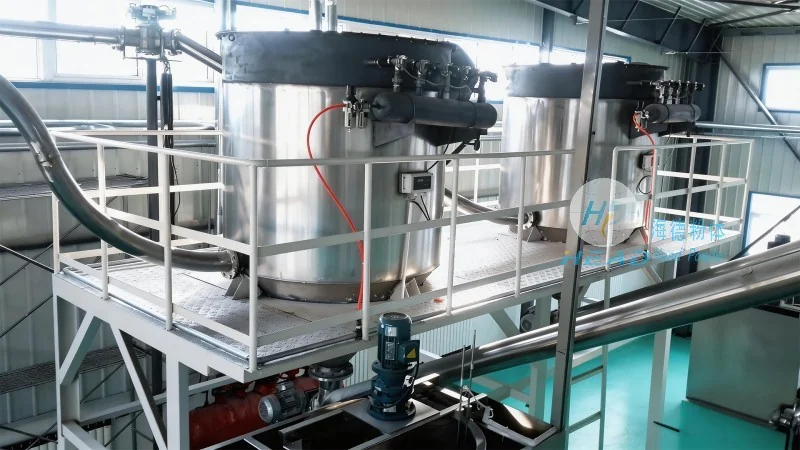
Company Overview: Shandong HeadPowder Engineering Co., Ltd.
Shandong HeadPowder Engineering Co., Ltd., operating under the brand name headpowder, specializes in the design, manufacturing, and integration of advanced powder handling systems. With a focus on industrial efficiency and material integrity, the company provides tailored solutions for various powder conveying applications, including those involving chlorinated polyethylene. HeadPowder's expertise lies in understanding the unique properties of different powders and designing systems that optimize flow, reduce downtime, and enhance overall operational performance. The company's commitment to quality and innovation ensures that its clients receive reliable and efficient powder conveying solutions that meet their specific industrial needs.
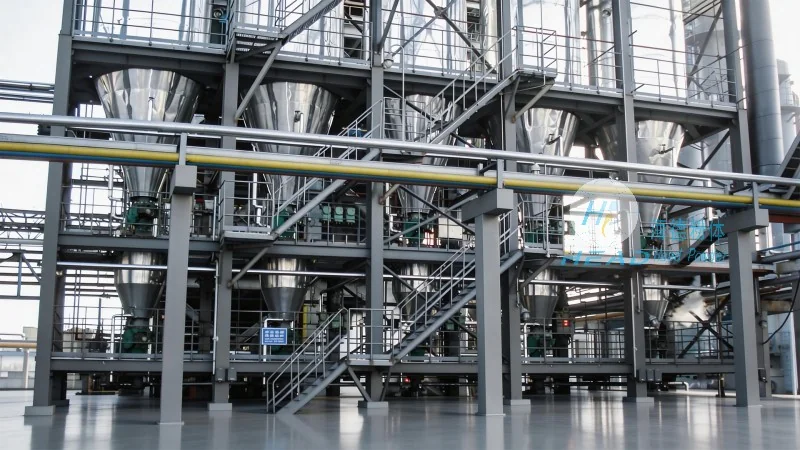
Addressing Challenges in CPE Powder Conveying
Despite the effectiveness of modern conveying systems, challenges can still arise when handling CPE powder. These challenges may include material buildup in equipment, variations in flow rates due to changes in powder moisture content, or the need to integrate with existing production lines. To address these issues, HeadPowder employs advanced engineering techniques and materials science knowledge to develop customized solutions. For instance, specialized hopper designs with anti-caking features or adjustable feed mechanisms can help maintain consistent flow rates and prevent material degradation. Additionally, the use of high-quality materials for conveyor components, such as corrosion-resistant metals or specialized coatings, ensures long-term durability and minimal maintenance requirements.
Conclusion: The Importance of Proper CPE Powder Conveying
Efficient chlorinated polyethylene powder conveying is a critical aspect of industrial operations, as it directly impacts production efficiency, material quality, and overall process reliability. By adhering to sound design principles and leveraging advanced technology, companies like Shandong HeadPowder Engineering Co., Ltd. can provide effective solutions that meet the unique demands of CPE powder handling. Whether it's a new installation or an upgrade to an existing system, investing in a well-designed CPE powder conveying system is essential for maintaining smooth operations and achieving optimal performance in industrial applications.