

What is Barley Powder Conveying? And What Are Its Design Principles?
Barley powder conveying systems are integral to the processing and handling of barley-derived materials in various industrial applications. Understanding the mechanisms behind these systems, as well as the underlying design principles, is crucial for optimizing efficiency and ensuring safe operation in facilities like grain processing plants or food production units. This article explores the fundamentals of barley powder conveying, detailing the key components, operational dynamics, and engineering considerations that define effective powder handling solutions.
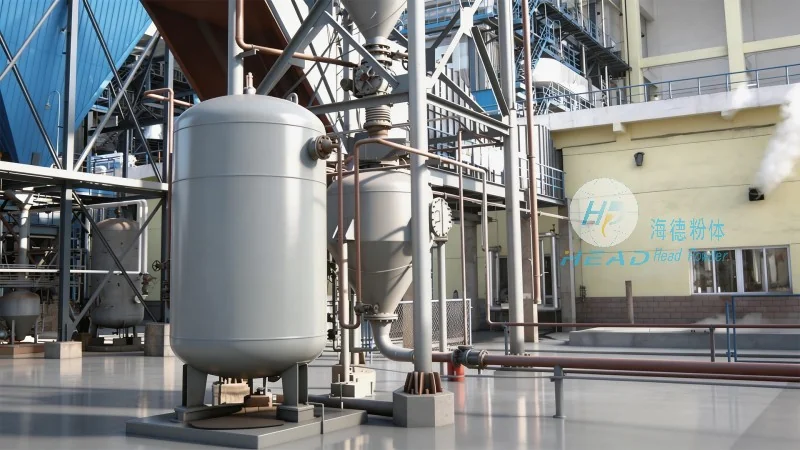
Understanding Barley Powder Conveying Systems
Barley powder conveying refers to the process of transporting barley-derived powders, such as malt flour or barley extract powders, from one location to another within an industrial setting. These powders are typically fine and can present challenges during transport due to their tendency to create dust, clog equipment, or require precise control to avoid degradation. The primary goal of a barley powder conveying system is to move these materials efficiently while maintaining product quality and operational safety.
Key Components of a Barley Powder Conveying System
Effective barley powder conveying systems consist of several interconnected components that work in tandem to achieve reliable material transport. These components include feeders, conveyors, control systems, and dust collection units. Each component plays a critical role in ensuring the smooth flow of barley powders through the system.
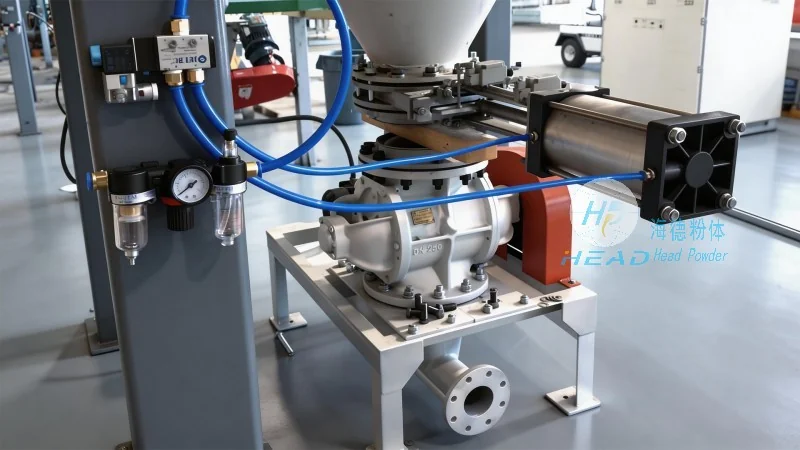
Feeders are responsible for introducing the barley powder into the conveying system at a controlled rate. They can be designed as rotary valves, screw feeders, or vibratory feeders, depending on the specific characteristics of the powder and the required flow rate. The choice of feeder type is critical as it directly impacts the uniformity of material feed and the overall system performance.
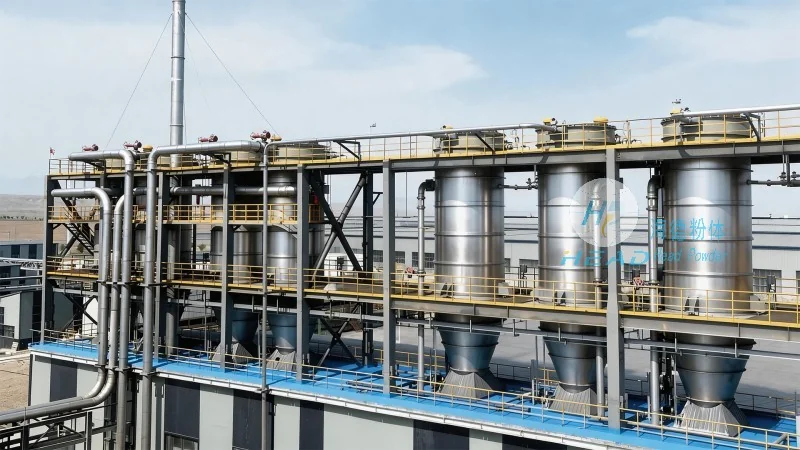
Conveyors are the core of the powder transport mechanism. Common types used in barley powder conveying include pneumatic conveying systems (air-assisted transport) and mechanical conveyors such as belt conveyors or screw conveyors. Pneumatic systems are particularly suitable for fine powders like barley powder, as they can handle high volumes with minimal product degradation and are effective at controlling dust. Mechanical conveyors, on the other hand, are often used for bulkier or more abrasive powders, though they may require additional dust suppression measures.
Design Principles for Optimal Barley Powder Conveying
The design of a barley powder conveying system must adhere to several fundamental principles to ensure efficiency, reliability, and safety. These principles are based on the physical properties of the powder, the operational requirements of the facility, and the need to minimize product loss or contamination.
First, the system design must account for the particle size distribution and flow characteristics of the barley powder. Fine powders tend to be cohesive and may require additional measures to prevent clogging or bridging in hoppers or feeders. Engineers often incorporate features like agitators or vibrators to maintain the flowability of the powder and prevent material buildup.
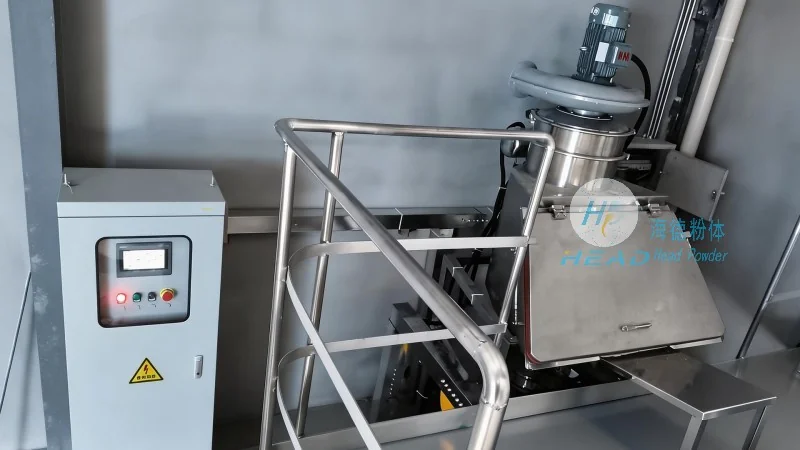
Second, the system must be designed to minimize dust generation and ensure proper containment. Barley powders can be respiratory irritants and pose health and safety risks if not properly managed. Therefore, dust collection systems, such as cyclones or baghouses, are typically integrated into the design to capture and filter airborne particles. The system layout should also consider the need for sealed enclosures and proper ventilation to maintain a safe working environment.
Third, the design must prioritize energy efficiency and operational cost-effectiveness. This involves selecting the appropriate conveyor type based on the material's properties and the required transport distance. For example, pneumatic conveying systems may be more energy-intensive but offer better control over the powder flow, while mechanical conveyors may be more cost-effective for shorter distances or bulkier materials.
Engineering Considerations for HeadPowder Systems
Shandong HeadPowder Engineering Co., Ltd., a leading provider of specialized powder handling solutions, applies advanced engineering principles to design and manufacture barley powder conveying systems tailored to the unique needs of their clients. The company's expertise lies in understanding the specific challenges of handling barley powders, such as their fine particle size and potential for dust generation, and developing customized solutions that address these challenges effectively.
HeadPowder's design approach emphasizes the integration of robust materials and advanced control technologies to ensure long-term reliability and minimal maintenance. Their systems are engineered to handle the varying flow rates and particle characteristics of barley powders, providing consistent performance even under demanding conditions. The company's commitment to quality and customer satisfaction is reflected in their comprehensive support services, including system installation, commissioning, and ongoing maintenance.
Conclusion
Barley powder conveying systems are complex but essential components of modern industrial operations, particularly in the food and beverage industry where barley is a key ingredient. By understanding the design principles and engineering considerations involved, facilities can optimize their powder handling processes, reduce operational costs, and ensure product quality and safety. With its expertise in powder handling technology, Shandong HeadPowder Engineering Co., Ltd. offers reliable solutions that meet the specific requirements of barley powder conveying, helping businesses achieve their operational goals efficiently and effectively.