

What is a Gypsum Pneumatic Conveying Line? What Are Its Design Principles?
Gypsum, a widely used industrial material, often requires efficient and reliable transportation systems to move it from one location to another. A gypsum pneumatic conveying line is a specialized system designed to handle the transport of gypsum powder or other similar bulk materials using air as the conveying medium. This method offers several advantages over traditional mechanical conveying systems, including reduced maintenance, lower energy consumption, and the ability to transport materials over long distances without the need for multiple transfer points.
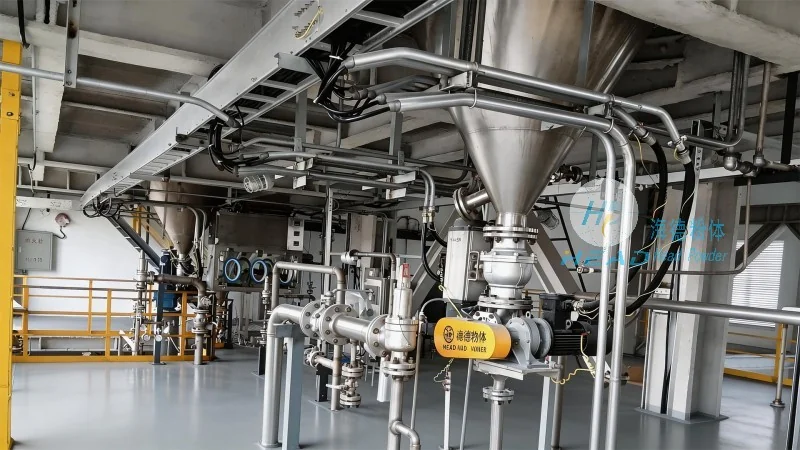
At Shandong HeadPowder Engineering Co., Ltd., we specialize in the design, manufacturing, and installation of high-quality gypsum pneumatic conveying lines. Our company, commonly known as headpowder, has extensive experience in the field of bulk material handling, particularly for gypsum and other similar powders. With our headquarters located in Shandong, China, we leverage advanced engineering techniques and local expertise to deliver solutions that meet the specific needs of our clients.
Key Components and Design Considerations
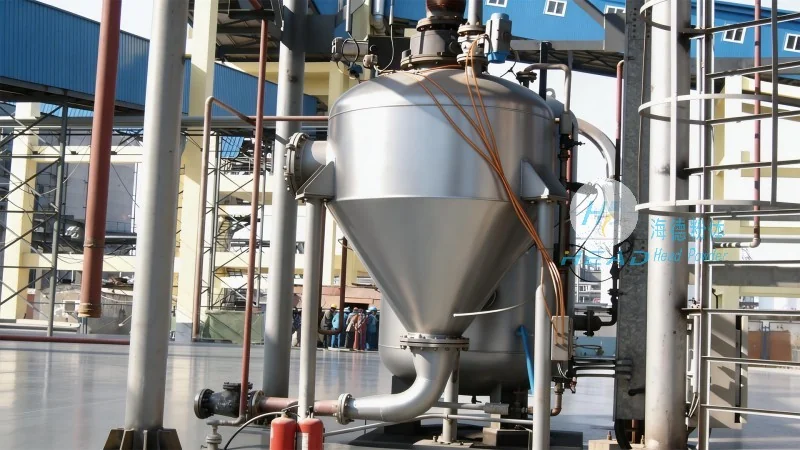
The core of a gypsum pneumatic conveying line is its design, which is tailored to the unique properties of gypsum. Gypsum is a fine powder that can be prone to caking or bridging in traditional hoppers and chutes. Therefore, the design of the conveying line must address these challenges to ensure smooth and continuous operation. Key components of such a system typically include a hopper for material storage, a feeder to control the flow rate, a conveying pipe network, and a receiver for the material at the destination. The system may also incorporate features like air filters, dust collectors, and pressure vessels to manage the air flow and prevent contamination.
One of the primary design principles is the selection of the appropriate conveying method, which can be either positive or negative pressure. Positive pressure systems use a blower to force air and material through the pipe, while negative pressure systems use a vacuum to draw the material into the pipe. The choice between these methods depends on factors such as the distance to be covered, the volume of material to be transported, and the need to minimize dust emissions. For gypsum, positive pressure systems are often preferred as they provide better control over the material flow and reduce the risk of material degradation.
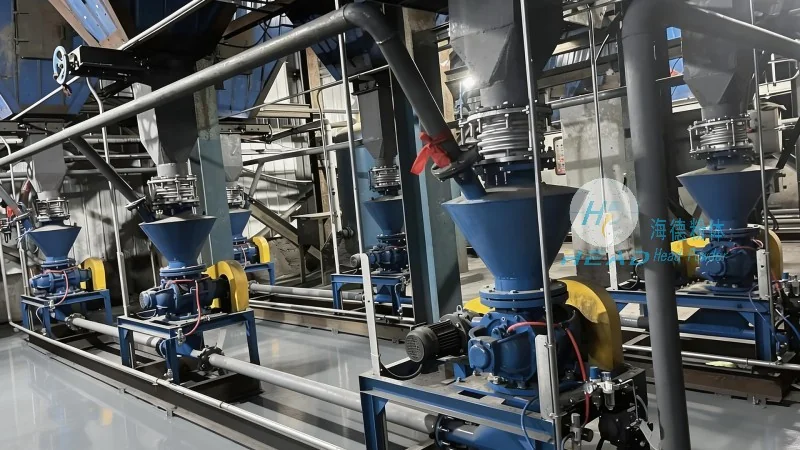
Another critical design consideration is the material of construction for the conveying components. Gypsum is mildly corrosive and can be abrasive, so the pipes, hoppers, and other parts of the system must be made from materials that can withstand these conditions. Common materials include stainless steel, polyethylene, or specialized coatings that protect against wear and corrosion. The design also includes features to prevent material buildup and ensure easy cleaning, which is essential for maintaining the efficiency and longevity of the system.
Feeder Selection and Conveying Pipe Network
Feeder selection is another key aspect of the design. The feeder must be capable of handling the specific flow characteristics of gypsum, which can vary depending on its moisture content and particle size. Screw feeders, rotary valves, or pneumatic feeders are commonly used, each with its own advantages and limitations. The feeder must be able to provide a consistent flow rate to maintain the stability of the conveying system and prevent surges or blockages.
The conveying pipe network is designed to minimize pressure drop and ensure efficient material transport. The pipe diameter and length are carefully calculated based on the material's properties, the required flow rate, and the system's pressure. Elbows, bends, and other fittings are strategically placed to maintain the air flow and prevent turbulence, which can lead to material degradation or system inefficiencies. The system may also include pressure relief valves and flow meters to monitor and control the operation.
Engineering and Installation Process
At headpowder, we follow a systematic approach to designing gypsum pneumatic conveying lines. Our engineers work closely with clients to understand their specific requirements, including the volume of material to be transported, the distance between the source and destination, and any environmental or safety constraints. We then conduct detailed calculations and simulations to optimize the system's performance, ensuring that it meets the required flow rates, pressure levels, and efficiency standards. Our goal is to provide a reliable and cost-effective solution that enhances the overall productivity of the client's operations.
Installation and maintenance are also critical to the long-term performance of the gypsum pneumatic conveying line. Proper installation ensures that all components are correctly aligned and connected, minimizing the risk of leaks or inefficiencies. Regular maintenance, including cleaning of the hopper, feeder, and pipe network, is essential to prevent material buildup and maintain the system's efficiency. At headpowder, we offer comprehensive after-sales support, including training for operators and maintenance personnel, to ensure that our clients can maximize the lifespan and performance of their conveying systems.
Conclusion
In conclusion, a gypsum pneumatic conveying line is a sophisticated system that combines advanced engineering and material handling techniques to efficiently transport gypsum powder. The design principles, including the selection of conveying method, material of construction, and feeder type, are crucial to the system's performance and longevity. At Shandong HeadPowder Engineering Co., Ltd., we are committed to delivering high-quality, customized solutions that meet the unique needs of our clients, ensuring reliable and efficient gypsum transportation for various industrial applications.