

What is a Wood Fiber Pneumatic Conveying System? What Are Its Design Principles?
Wood fiber pneumatic conveying systems represent a sophisticated method for transporting wood fibers and related materials through an enclosed pipeline using air as the primary conveying medium. This technology is widely utilized in various industrial sectors, including pulp and paper manufacturing, woodworking, and biomass processing, where efficient and reliable material handling is crucial. The core of such systems lies in the design principles that govern their operation, ensuring optimal performance, energy efficiency, and material integrity.

Key Components and Working Mechanism of Pneumatic Conveying Systems
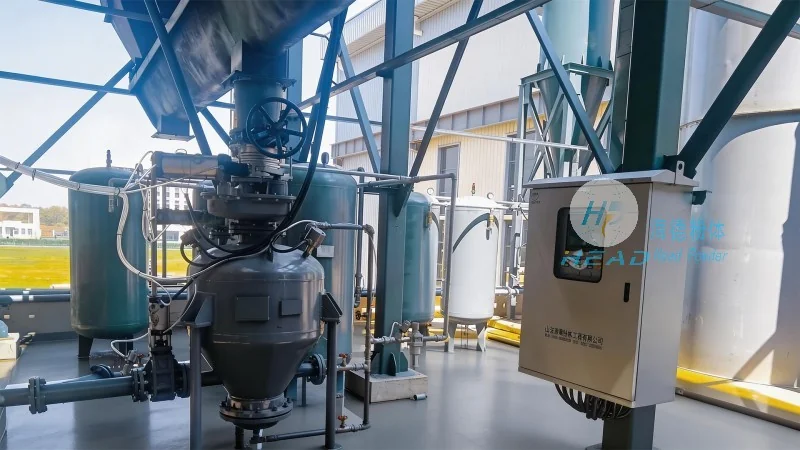
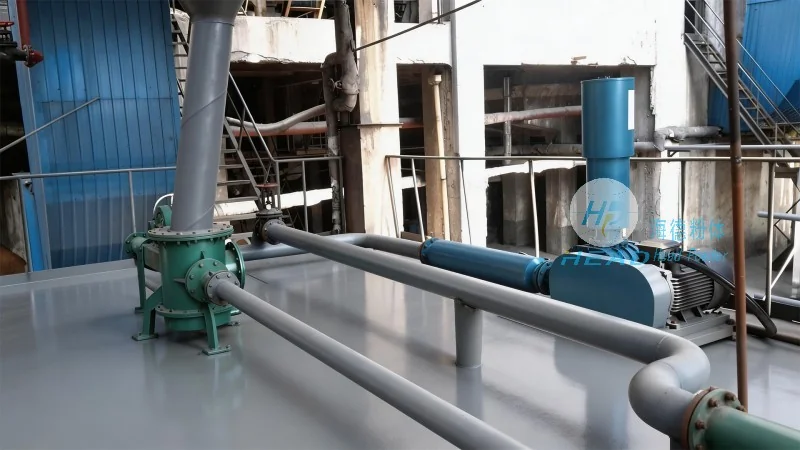
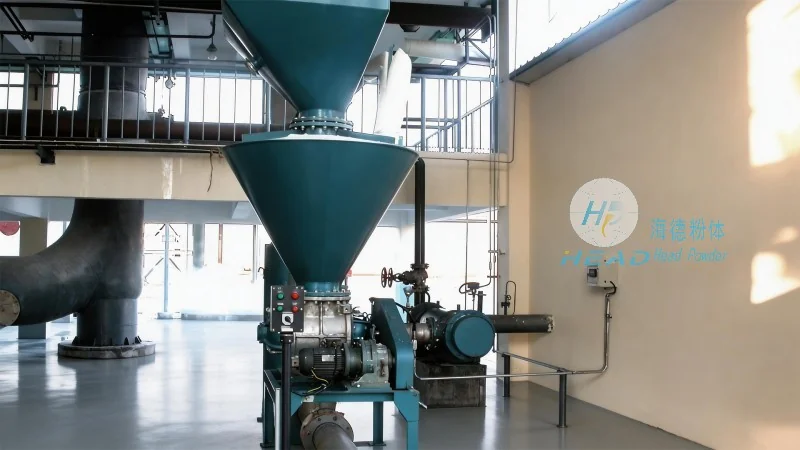
At the heart of a wood fiber pneumatic conveying system are several critical components that work in concert to facilitate material transport. The system typically includes a material feed hopper, which stores and feeds the wood fibers into the conveying line. A blower or air compressor generates the necessary air pressure to move the material through the pipeline. The pipeline itself is designed with appropriate diameters and bends to minimize pressure drop and ensure smooth flow. Additionally, a receiver or discharge hopper collects the material at the end of the conveying path. The entire system operates on the principle of air flow, where the air velocity and pressure are carefully controlled to maintain the material in a suspended state, preventing blockages and ensuring consistent transport.
Design Principles for Efficient Wood Fiber Conveying
The design of a wood fiber pneumatic conveying system involves several key principles aimed at maximizing efficiency and minimizing operational issues. One of the primary considerations is the air velocity, which must be sufficient to keep the wood fibers suspended but not excessively high to cause excessive wear on the system components or energy waste. The system's design also takes into account the particle size and density of the wood fibers, as these factors influence the required air pressure and flow rate. For example, finer wood fibers may require higher air velocities to maintain suspension, while larger particles might need lower velocities to prevent blockages. Another critical design principle is the pipeline layout, which should be as straight as possible to reduce pressure losses and the need for additional equipment like cyclones or separators. The use of appropriate materials for the pipeline and components is also essential to withstand the abrasive nature of wood fibers and the high-pressure air flow.
Advantages of Wood Fiber Pneumatic Conveying Systems
Wood fiber pneumatic conveying systems offer several advantages over traditional mechanical conveying methods. One of the most significant benefits is the ability to transport materials over long distances without the need for multiple transfer points or intermediate storage. This reduces the overall system complexity and operational costs. Additionally, pneumatic conveying systems can handle a wide range of wood fiber types and sizes, making them versatile for various industrial applications. The enclosed pipeline design also helps in maintaining material cleanliness and preventing contamination, which is particularly important in the pulp and paper industry where material purity is critical. Furthermore, these systems can be easily integrated with other processing equipment, such as drying or grinding units, to form a continuous production line, enhancing overall process efficiency.
Applications in the Wood Processing Industry
Wood fiber pneumatic conveying systems are widely used in the wood processing industry for various applications. In pulp and paper manufacturing, they are used to transport wood chips from storage to the pulping and refining stages. In woodworking operations, they can convey sawdust, shavings, and other wood waste from production lines to recycling or disposal facilities. In biomass processing, these systems are employed to transport wood pellets or other biomass materials for energy production or further processing. The adaptability of pneumatic conveying systems makes them suitable for both large-scale industrial operations and smaller-scale processing facilities, providing a flexible solution for material handling needs.
Considerations for System Selection and Installation
When selecting a wood fiber pneumatic conveying system, several factors must be considered to ensure optimal performance and longevity. The first consideration is the material characteristics, including the size, shape, and density of the wood fibers, as these determine the required air velocity and pressure. The system's capacity, or the amount of material to be conveyed per hour, is another critical factor, as it influences the size of the pipeline, blower, and other components. The distance and layout of the conveying path also play a role, as longer distances may require additional equipment like cyclones or pressure boosters to maintain material flow. Installation considerations include the need for proper sealing to prevent air leaks, which can reduce system efficiency and increase energy consumption. Regular maintenance is also essential to ensure the system operates at peak performance, including cleaning of the pipeline and components to prevent buildup and wear.
Conclusion: The Role of Wood Fiber Pneumatic Conveying Systems in Modern Industry
Wood fiber pneumatic conveying systems represent a vital technology in the modern wood processing and related industries, providing efficient, reliable, and versatile material handling solutions. By adhering to the fundamental design principles of air flow, component selection, and system layout, these systems can effectively transport wood fibers over long distances while maintaining material integrity and operational efficiency. As industrial demands continue to evolve, the continued development and optimization of pneumatic conveying systems will remain crucial for meeting the needs of the wood processing sector. The expertise and experience of companies like Shandong HeadPowder Engineering Co., Ltd. play a key role in designing and implementing these systems, ensuring that they meet the specific requirements of each industrial application.