

What is a Pyrolysis Char Pneumatic Conveying Line? What are its Design Principles?
Pyrolysis char, also known as charcoal or carbon black from pyrolysis processes, often requires efficient and reliable transport systems to move it from production sites to processing or storage facilities. A pyrolysis char pneumatic conveying line is a specialized system designed to handle this material using air or gas as the conveying medium. This technology offers advantages such as reduced labor costs, improved safety by eliminating manual handling, and the ability to transport materials over longer distances compared to traditional methods.
Design Principles of Pyrolysis Char Pneumatic Conveying Systems
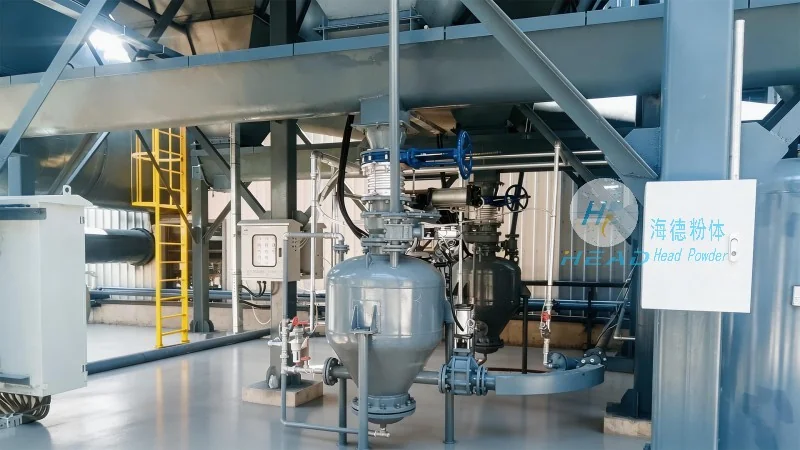
The design of a pyrolysis char pneumatic conveying line is based on several key principles to ensure optimal performance and material handling. First, the system must consider the physical properties of pyrolysis char, including its particle size, density, and moisture content. These factors influence the selection of the conveying velocity, pipeline diameter, and the type of air or gas used. For instance, finer particles may require higher air velocities to prevent clogging, while larger particles might need larger diameter pipes to maintain flow efficiency.
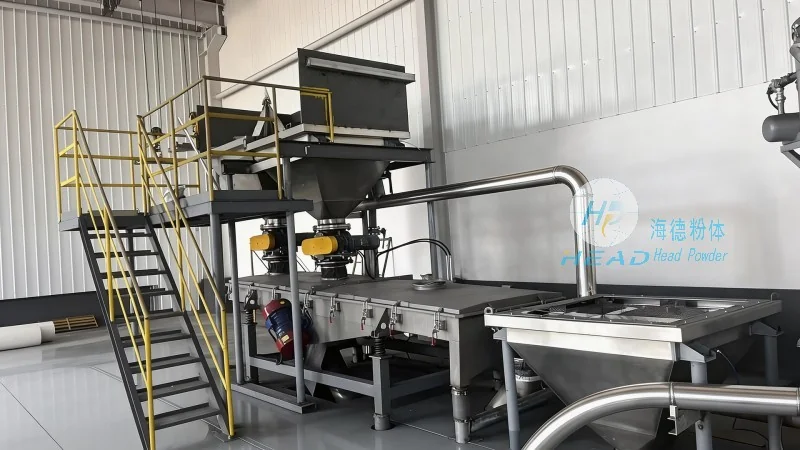
Second, the system incorporates components such as feeders, air movers (like blowers or compressors), and pipelines. The feeder is responsible for uniformly feeding the pyrolysis char into the system, ensuring a consistent flow rate. The air mover provides the necessary pressure and airflow to transport the material through the pipeline. The pipeline design, including bends and elbows, is critical to minimize pressure drop and prevent material deposition or blockages. Proper sealing and maintenance of these components are essential to maintain system efficiency and longevity.

Key Components and Their Functions
Several key components make up a pyrolysis char pneumatic conveying line. The material feeder, typically a screw feeder or a rotary valve, ensures that pyrolysis char is fed into the system at a controlled rate. This prevents overloading and maintains a steady flow. The air mover, often a centrifugal blower or a positive displacement compressor, generates the airflow needed to transport the material. The pipeline network connects the feeder to the receiver, with appropriate fittings and valves to control the flow direction and pressure. The receiver, or discharge hopper, collects the conveyed pyrolysis char and may include features like a dust filter or a silo for storage.
Advantages of Using Pneumatic Conveying for Pyrolysis Char
Implementing a pneumatic conveying system for pyrolysis char offers several benefits. One of the primary advantages is the reduction in labor costs associated with manual handling and transportation. By automating the process, companies can minimize the risk of accidents and injuries, enhancing workplace safety. Additionally, pneumatic conveying allows for the transport of pyrolysis char over longer distances without the need for intermediate storage or handling points, improving operational efficiency. The system also helps maintain the quality of the material by reducing exposure to external contaminants and preventing segregation or degradation during transport.
Application and Industry Use Cases
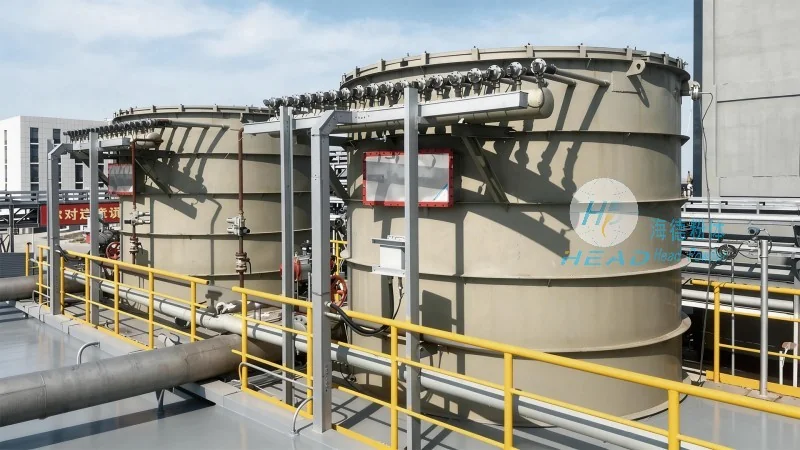
Pyrolysis char pneumatic conveying lines are widely used in various industries that generate or process pyrolysis char. These include the production of biochar for agricultural applications, the processing of waste materials into valuable carbon products, and the manufacturing of activated carbon or other carbon-based materials. In these applications, the system ensures that pyrolysis char is efficiently moved from the pyrolysis reactor to downstream processing units, such as drying, grinding, or packaging facilities. The reliability and efficiency of the pneumatic conveying line are crucial for maintaining production rates and meeting quality standards.
Conclusion and Company Information
Pyrolysis char pneumatic conveying lines are essential equipment for industries dealing with pyrolysis processes, providing an efficient and safe method for material transport. The design principles and components of these systems are tailored to handle the unique properties of pyrolysis char, ensuring optimal performance and operational efficiency. As a leading provider in this field, Shandong HeadPowder Engineering Co., Ltd. specializes in designing and manufacturing customized pneumatic conveying solutions that meet the specific needs of clients. With a focus on quality and reliability, HeadPowder offers comprehensive services to help industries streamline their pyrolysis char handling processes and enhance overall productivity. Based in Shandong, China, HeadPowder serves clients globally, delivering innovative solutions that improve material handling and operational outcomes.