

What is Resin Sand Pneumatic Conveying? And What Are Its Design Principles?
Resin sand pneumatic conveying is a specialized method used in industrial settings to transport resin-coated sand, a critical material in foundry processes. This technology leverages air pressure to move the sand through a system of pipes and components, ensuring efficient material handling while maintaining the integrity of the sand particles. Understanding the core principles behind this system is essential for optimizing its performance in various manufacturing environments.
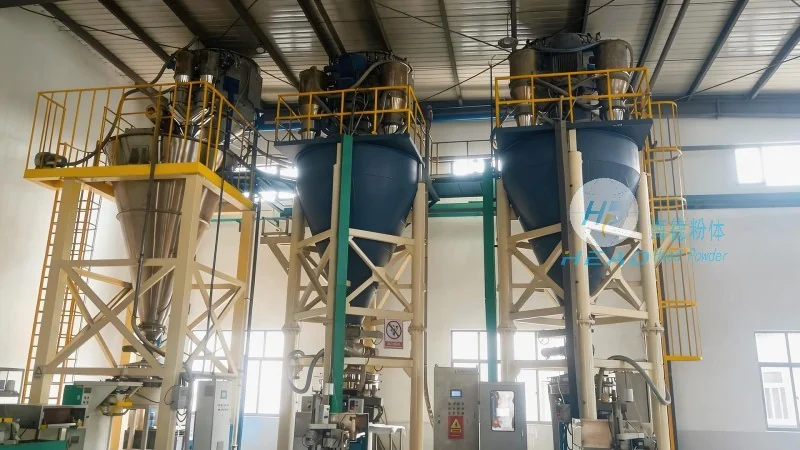
Introduction to Resin Sand Pneumatic Conveying
Resin sand, also known as no-bake sand, is a type of foundry sand that is coated with a thermosetting resin. This coating enhances the sand's strength and reusability, making it ideal for high-quality casting applications. The pneumatic conveying system is designed to handle this abrasive and often fine-grained material without causing excessive wear or degradation. The process involves generating a flow of air within a pipeline, which draws the resin sand from a storage hopper or bin and transports it to the next stage of the foundry operation, such as a molding machine or a reclamation system.
Key Components of a Resin Sand Pneumatic Conveying System
The effectiveness of a resin sand pneumatic conveying system depends on several key components that work in concert to ensure reliable operation. These components include:
1. Feed Hopper or Bin: This is the initial storage container where the resin sand is held before being introduced into the conveying system. It is typically equipped with a hopper design that facilitates the controlled release of material under gravity or pneumatic pressure.
2. Air Supply System: Compressors or air blowers generate the necessary air pressure to create the conveying flow. The air supply is regulated to maintain consistent pressure and flow rates, which are critical for preventing material buildup or clogging in the pipes.
3. Conveying Pipes: The system uses a network of pipes, often made from materials resistant to abrasion and corrosion, such as stainless steel or special alloys. The pipe diameter and length are carefully selected to minimize pressure drop and ensure efficient material transport.
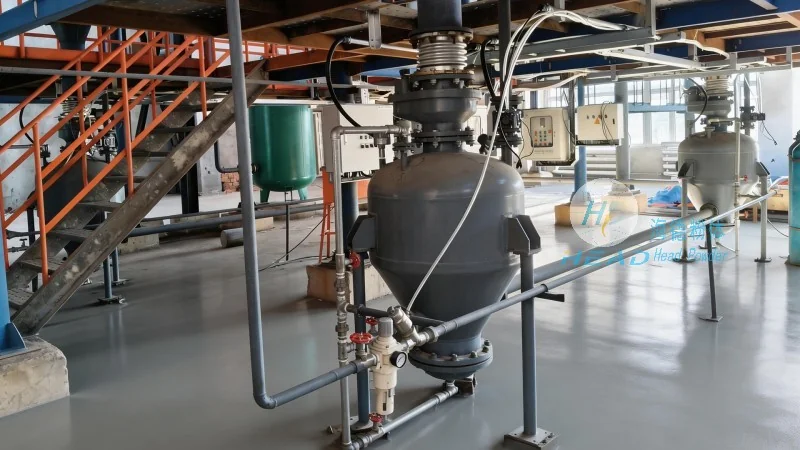
4. Control Valves and Regulators: These components manage the air flow and pressure, allowing for adjustments based on the material being conveyed or the system's operational requirements. They help maintain a stable conveying environment and prevent excessive energy consumption.
5. Separation and Collection Equipment: At the end of the conveying line, equipment such as cyclones or filters separates the resin sand from the air stream. The separated sand is then collected in a designated container, while the clean air is either recirculated or vented to the atmosphere.
Design Principles for Resin Sand Pneumatic Conveying
The design of a resin sand pneumatic conveying system follows specific principles to ensure optimal performance and longevity. These principles focus on maintaining the quality of the resin sand, minimizing system wear, and maximizing efficiency. Key design considerations include:
1. Air Velocity and Pressure: The air velocity within the conveying pipes must be sufficient to overcome the resistance of the sand particles and prevent settlement. Typically, velocities range from 20 to 30 meters per second for fine sand particles, ensuring that the material remains suspended in the air stream. The pressure levels are carefully controlled to avoid excessive energy use while maintaining the required flow rate.
2. Pipe Sizing and Layout: Proper pipe sizing is crucial to minimize pressure drop and reduce energy consumption. The layout of the conveying system is designed to minimize bends and changes in direction, as these can cause turbulence and increase wear on the pipe walls. Smooth transitions and gradual bends are preferred to maintain the flow of sand and air.
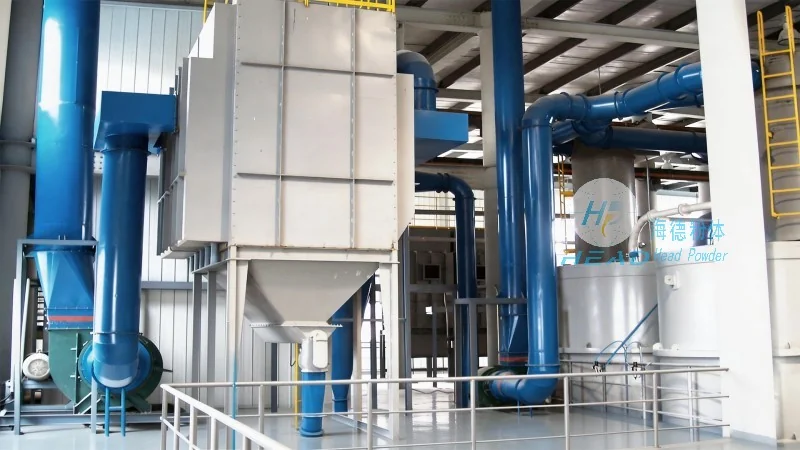
3. Material Compatibility: All components of the system, including pipes, valves, and filters, must be compatible with the resin sand. Resin sand is abrasive and can cause wear on metal surfaces, so materials like stainless steel, hardened steel, or special coatings are often used to extend the system's lifespan.
4. System Integration: The pneumatic conveying system is integrated with other foundry equipment, such as molding machines or reclamation systems. This integration ensures a seamless flow of resin sand from storage to the point of use, reducing downtime and improving overall production efficiency.
Applications and Benefits of Resin Sand Pneumatic Conveying
Resin sand pneumatic conveying is widely used in the foundry industry for various applications, including the transport of sand from storage to molding lines, the transfer of sand between different production stages, and the reclamation of used sand. The benefits of this system include:
1. Efficient Material Handling: The system allows for the rapid and continuous transport of resin sand, reducing the need for manual handling and improving production throughput.
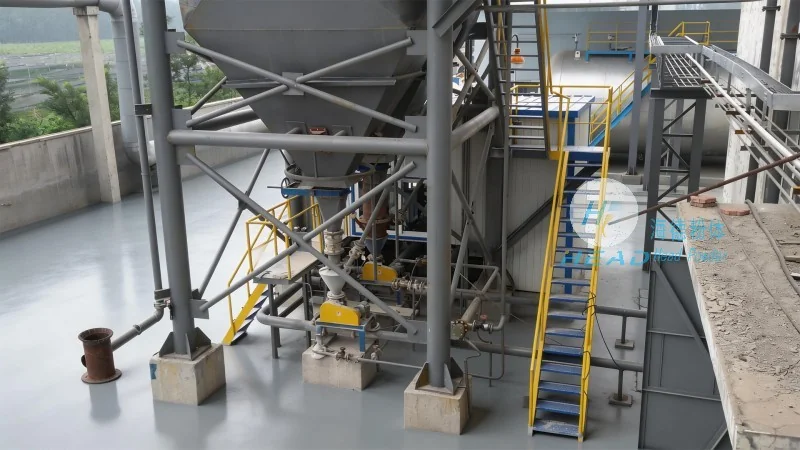
2. Reduced Downtime: By minimizing the time required to move sand between processes, the system helps maintain a steady production schedule and reduces equipment downtime.
3. Improved Sand Quality: The enclosed system prevents contamination from dust or moisture, ensuring that the resin sand remains in optimal condition for casting applications.
4. Lower Labor Costs
5. Enhanced Safety: The pneumatic conveying system eliminates the need for manual handling of heavy or abrasive materials, reducing the risk of workplace injuries and improving overall safety in the foundry environment.
Conclusion
Resin sand pneumatic conveying is a vital technology in modern foundry operations, offering efficient and reliable material handling solutions. By understanding the design principles and key components of this system, foundries can optimize their processes, reduce costs, and improve the quality of their castings. The expertise of companies like Shandong HeadPowder Engineering Co., Ltd., based in China, plays a crucial role in providing tailored solutions that meet the specific needs of industrial clients. With a focus on durability, efficiency, and performance, these systems continue to be a cornerstone of advanced foundry technology.