

What is Potassium Sulfate Pneumatic Conveying? And What Are Its Design Principles?
When it comes to transporting bulk materials like potassium sulfate, the choice of conveying system can significantly impact operational efficiency, safety, and cost-effectiveness. Pneumatic conveying, a method that uses air or other gases to move materials through a pipeline, has emerged as a popular solution for handling potassium sulfate. This article delves into the concept of potassium sulfate pneumatic conveying and explores the fundamental design principles that underpin its successful implementation.
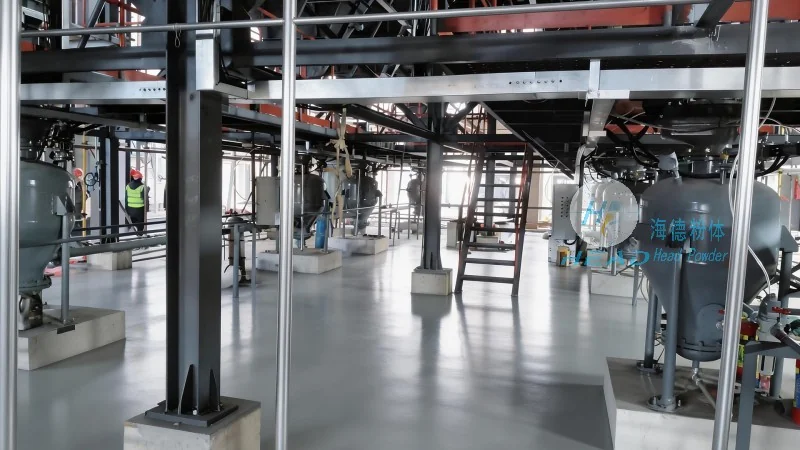
What is Potassium Sulfate Pneumatic Conveying?
Potassium sulfate, a crucial fertilizer and industrial chemical, often requires efficient and reliable transport from production sites to processing or storage facilities. Pneumatic conveying offers a flexible and effective means to achieve this, especially when dealing with fine or powdery materials. The process involves creating a flow of air or gas within a pipeline, which then carries the potassium sulfate particles through the system. This method eliminates the need for mechanical components like belts or buckets, reducing maintenance and operational costs. The system typically consists of a hopper for material storage, a blower or compressor to generate the air flow, and a pipeline network that transports the material to its destination. The entire setup is designed to ensure that the potassium sulfate is moved safely and efficiently, minimizing dust generation and material degradation.
The Core Design Principles of Potassium Sulfate Pneumatic Conveying Systems
The effectiveness of a potassium sulfate pneumatic conveying system is determined by several key design principles. First, the system must be capable of generating sufficient air velocity to overcome the resistance of the material particles and the pipeline. This is often referred to as the "air-to-material ratio," which is crucial for maintaining a stable flow. Engineers must carefully calculate the required air volume and pressure to ensure that the material is conveyed without clogging or excessive pressure drops. Second, the pipeline design is critical. The diameter and length of the pipeline, along with the use of bends and fittings, directly impact the system's performance. Properly sized and positioned components, such as in-line filters and cyclones, are essential to prevent material buildup and maintain system efficiency. Third, the material's properties, including its particle size, density, and moisture content, must be considered in the design. Potassium sulfate is a fine powder, which means that the system must be designed to handle high concentrations of material without causing blockages. The use of positive displacement blowers or high-pressure compressors may be necessary to achieve the required flow rates. Fourth, safety considerations are paramount. The system must be equipped with safety features such as pressure relief valves, dust collection systems, and explosion-proof components to protect personnel and equipment. These principles work together to create a robust and reliable conveying system that meets the specific needs of potassium sulfate handling.
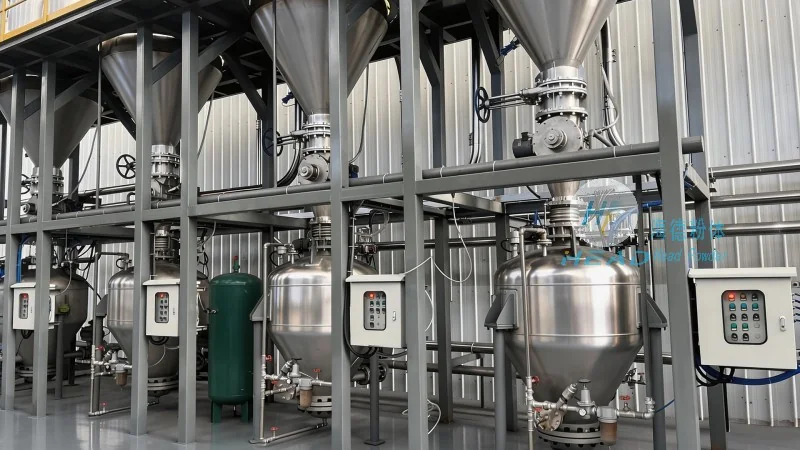
Key Components and Their Roles in Potassium Sulfate Pneumatic Conveying
Several key components are integral to the operation of a potassium sulfate pneumatic conveying system. The hopper or feeder is the starting point, where the potassium sulfate is stored and fed into the system. It is designed to provide a consistent flow of material to the blower or compressor. The blower or compressor is the heart of the system, generating the air pressure and flow necessary to move the material. Different types of blowers, such as rotary lobe or centrifugal, are used depending on the system's requirements. The pipeline network connects the hopper to the discharge point, and it must be properly sized to accommodate the material flow without excessive pressure loss. In-line filters and cyclones are used to separate the material from the air stream, preventing clogging and ensuring that the material is delivered in a clean state. The discharge point, often a receiver or silo, collects the material and may include a dust collection system to capture any particles that escape. Each component plays a vital role in the overall performance of the system, and their proper selection and integration are essential for successful operation.
Benefits of Using Potassium Sulfate Pneumatic Conveying Systems
Implementing a pneumatic conveying system for potassium sulfate offers numerous benefits. First, it provides a dust-free and enclosed environment, reducing the risk of exposure to fine particles and improving workplace safety. This is particularly important in industrial settings where dust can be a health hazard. Second, the system is highly flexible, allowing for changes in material flow rates and destinations without significant modifications. This adaptability makes it suitable for various applications, from small-scale operations to large industrial plants. Third, the system is energy-efficient compared to other conveying methods, as it uses air to move the material rather than mechanical components. This reduces energy consumption and operating costs. Fourth, the system is relatively low-maintenance, as it has fewer moving parts compared to mechanical systems. This translates to lower maintenance costs and less downtime. Finally, the system is capable of handling a wide range of material properties, making it a versatile solution for potassium sulfate transport. These benefits make pneumatic conveying an attractive option for companies handling potassium sulfate.
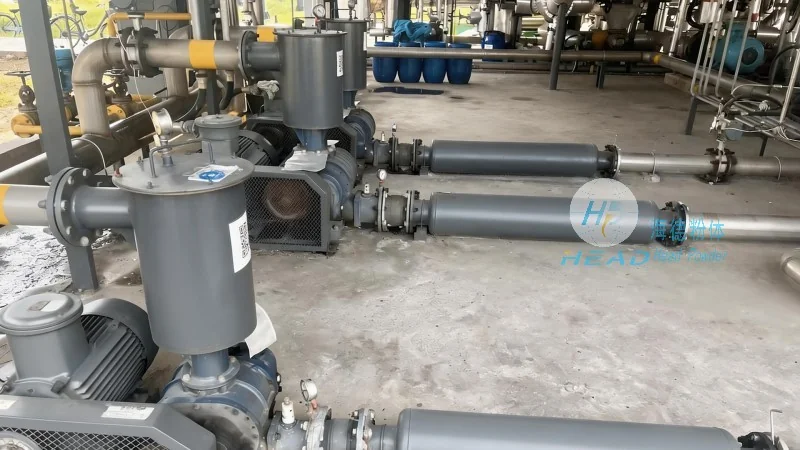
Applications of Potassium Sulfate Pneumatic Conveying
Potassium sulfate pneumatic conveying systems are used in a variety of applications across different industries. In the agricultural sector, they are commonly used to transport potassium sulfate from production facilities to farms or storage facilities. This ensures that the fertilizer is delivered efficiently and without contamination. In the chemical industry, the system is used to move potassium sulfate between processing units, such as reactors and storage tanks. This allows for seamless integration of production processes and improves overall plant efficiency. Additionally, the system is used in the food and pharmaceutical industries, where the material is handled in a clean and controlled environment. The versatility of the system makes it suitable for a wide range of applications, from small-scale operations to large industrial plants.
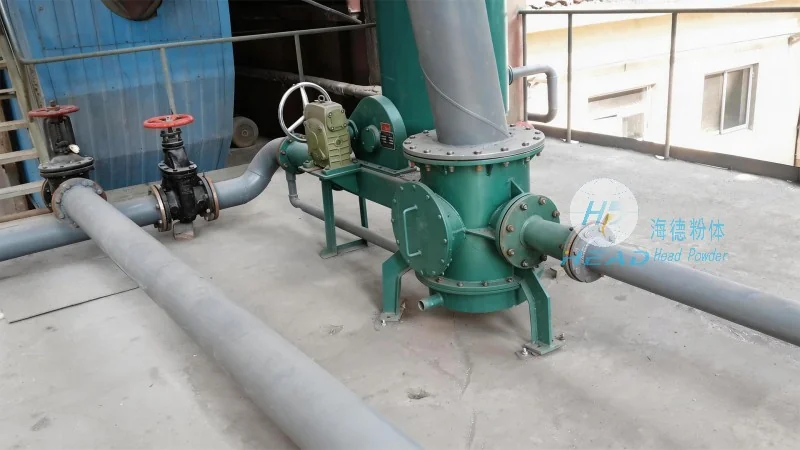
Challenges and Solutions in Potassium Sulfate Pneumatic Conveying
While pneumatic conveying offers many advantages, it also presents some challenges. One of the main challenges is material clogging, which can occur due to the fine particle size of potassium sulfate. To address this, engineers use high-pressure systems or positive displacement blowers to maintain a consistent flow. Another challenge is the potential for dust generation, which can be mitigated by using proper dust collection systems and maintaining the system's integrity. Additionally, the system's energy consumption can be high, especially for long-distance conveying. To reduce this, engineers use energy-efficient components and optimize the system's design. These challenges can be effectively managed with proper design and maintenance, ensuring that the system operates efficiently and reliably.
Conclusion: The Importance of Proper Design and Implementation
Potassium sulfate pneumatic conveying is a critical technology for efficiently handling this important material. The design principles and components discussed in this article are essential for creating a reliable and efficient system. By carefully considering the material properties, system requirements, and safety considerations, engineers can design a system that meets the specific needs of potassium sulfate handling. The benefits of using pneumatic conveying, including improved safety, flexibility, and cost-effectiveness, make it a preferred choice for many companies. As the demand for potassium sulfate continues to grow, the importance of effective conveying systems will only increase. Companies like Shandong HeadPowder Engineering Co., Ltd., based in China, play a vital role in providing innovative solutions for potassium sulfate pneumatic conveying, helping to meet the growing needs of the industry.