

What is Sodium Nitrate Pneumatic Conveying? Understanding Its Design Principles
When it comes to handling and transporting sodium nitrate, especially in industrial settings, the method of pneumatic conveying has emerged as a highly efficient and reliable solution. This article delves into the concept of sodium nitrate pneumatic conveying, exploring its fundamental principles and the design considerations that underpin its successful implementation. By understanding these aspects, industries can optimize their material handling processes, enhance operational efficiency, and ensure safety in the handling of this critical chemical.
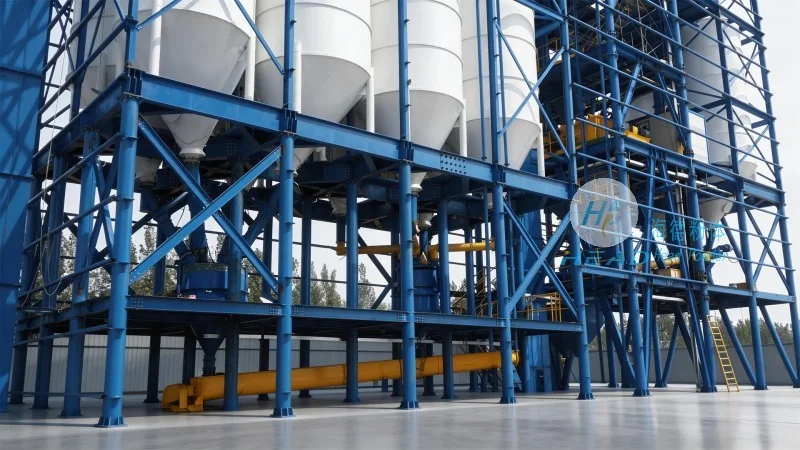
Introduction to Sodium Nitrate Pneumatic Conveying
Sodium nitrate, a white crystalline solid, is widely used in various industries including agriculture, food processing, and chemical manufacturing. Its handling requires careful attention due to its potential reactivity and the need for precise control over its movement. Pneumatic conveying offers a non-contact method of transporting bulk materials like sodium nitrate, eliminating the need for mechanical components that might come into direct contact with the material, thus reducing wear and contamination risks. This technique involves the use of air or other gases to transport the material through a pipeline system, making it particularly suitable for sodium nitrate, which can be sensitive to moisture and mechanical abrasion.
Core Principles of Pneumatic Conveying
The fundamental principle of pneumatic conveying is the use of a gas stream to move solid particles through a conduit. In the case of sodium nitrate, the system typically operates under pressure or vacuum, depending on the specific application and the distance the material needs to travel. The design of the conveying system must consider several key factors to ensure optimal performance. These include the velocity of the gas, the particle size and density of the sodium nitrate, the pressure differentials required, and the overall system layout. A well-designed system ensures that the sodium nitrate is conveyed smoothly without clogging or excessive pressure drops, which could lead to system inefficiencies or equipment damage.
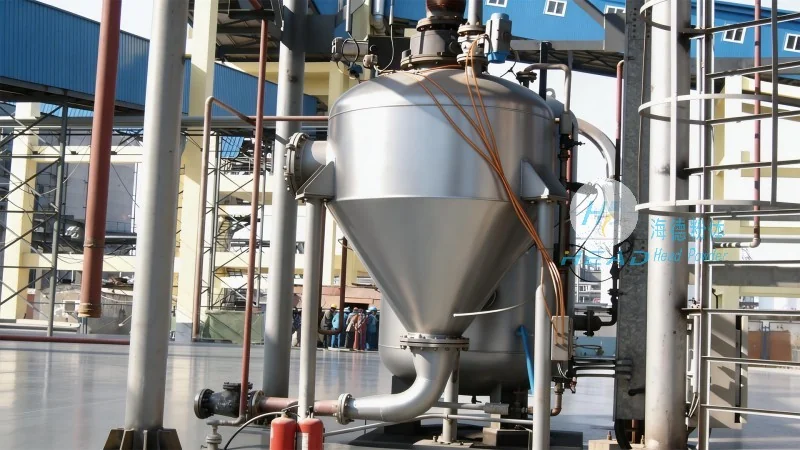
Design Considerations for Sodium Nitrate Pneumatic Conveying Systems
Designing an effective pneumatic conveying system for sodium nitrate involves a comprehensive approach that addresses both the material properties and the operational requirements. The system components, such as the air compressor, pipeline diameter, and material feed mechanisms, are critical to the system's performance. For instance, the air compressor must be capable of generating sufficient pressure to move the sodium nitrate through the pipeline, while the pipeline diameter must be appropriately sized to handle the flow rate without causing excessive energy consumption or pressure losses. Material feeders, such as rotary valves or screw conveyors, are used to introduce the sodium nitrate into the system at a controlled rate, ensuring a consistent flow and preventing blockages. Additionally, the system must incorporate features to manage temperature and moisture, as sodium nitrate can be hygroscopic and may degrade if exposed to moisture or high temperatures.
Advantages of Pneumatic Conveying for Sodium Nitrate
Pneumatic conveying offers several advantages when handling sodium nitrate. Firstly, it provides a clean and hygienic method of transport, as the material never comes into direct contact with metal or other surfaces, reducing the risk of contamination. This is particularly important in industries like food processing where product purity is paramount. Secondly, the system allows for flexible and compact layouts, as the pipelines can be routed around obstacles and in tight spaces, making it suitable for facilities with limited floor space. Thirdly, pneumatic conveying systems can be integrated with other processing equipment, such as storage silos and mixing units, creating a seamless material handling workflow. Finally, the system can be easily scaled to accommodate varying production volumes, making it adaptable to changing operational needs.
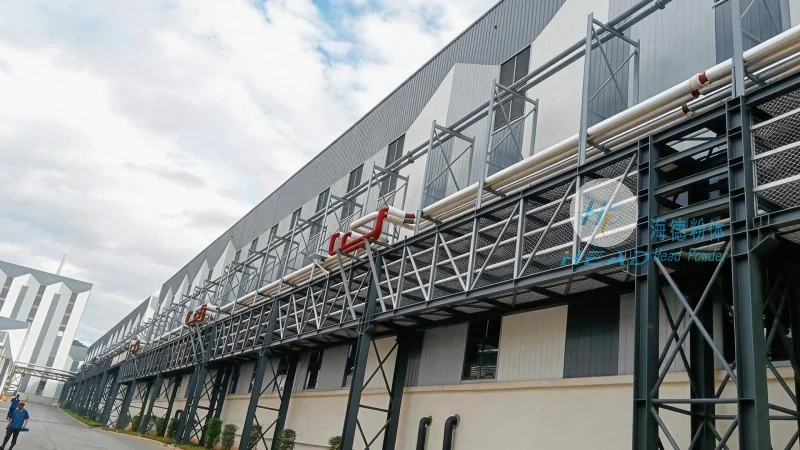
Challenges and Mitigation Strategies
While pneumatic conveying is highly effective, it also presents certain challenges when handling sodium nitrate. One of the primary challenges is the potential for material buildup or clogging in the pipelines, especially if the system is not properly designed or maintained. This can lead to pressure drops and system shutdowns, requiring regular cleaning and maintenance. To mitigate this, the system design may include features such as pulse jets or air knives to break up any material deposits and keep the pipeline clear. Another challenge is the need to control the temperature and moisture levels, as sodium nitrate can absorb moisture from the air, leading to clumping and reduced flowability. Proper sealing and moisture control measures, such as using desiccant filters or maintaining low humidity levels in the system, are essential to prevent these issues.
Conclusion
In conclusion, sodium nitrate pneumatic conveying is a sophisticated and efficient method for transporting this critical chemical. By understanding the core principles and design considerations, industries can implement systems that enhance operational efficiency, ensure product quality, and maintain safety standards. The expertise of companies like Shandong HeadPowder Engineering Co., Ltd., with their focus on engineering solutions tailored to specific material handling needs, plays a vital role in the successful deployment of such systems. As industries continue to seek reliable and effective solutions for bulk material handling, pneumatic conveying remains a preferred choice for sodium nitrate, offering a balance of performance, flexibility, and cost-effectiveness.