

What is Gypsum Pneumatic Conveying? Exploring Its Design Principles
Gypsum, a widely used industrial material, often requires efficient and reliable transportation methods for processing and distribution. Pneumatic conveying stands out as a key technology in handling gypsum, offering advantages such as reduced dust, improved safety, and enhanced process control. This article delves into the fundamentals of gypsum pneumatic conveying, exploring its operational mechanisms and the critical design principles that ensure optimal performance.
HeadPowder: A Leading Provider of Gypsum Handling Solutions
At Shandong HeadPowder Engineering Co., Ltd., we specialize in developing advanced pneumatic conveying systems tailored to the unique needs of the gypsum industry. With years of experience and a commitment to innovation, our team designs and manufactures solutions that meet the highest standards of efficiency and durability. Based in Shandong, China, HeadPowder serves clients globally, providing customized systems that enhance productivity and reduce operational costs.
The Core Components of a Gypsum Pneumatic Conveying System
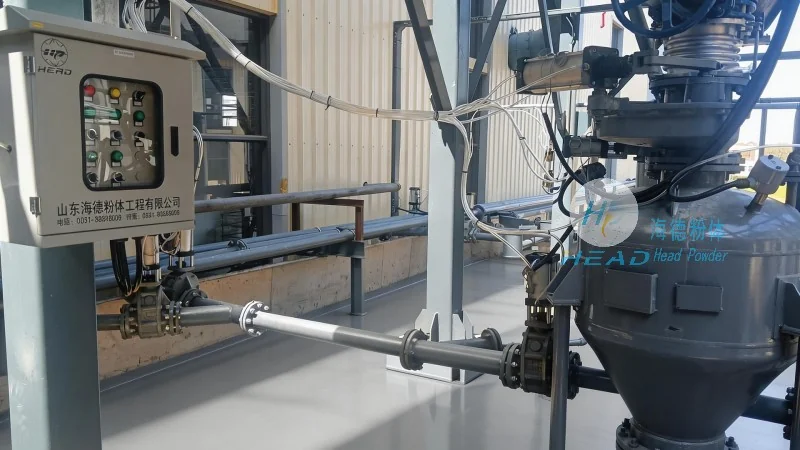
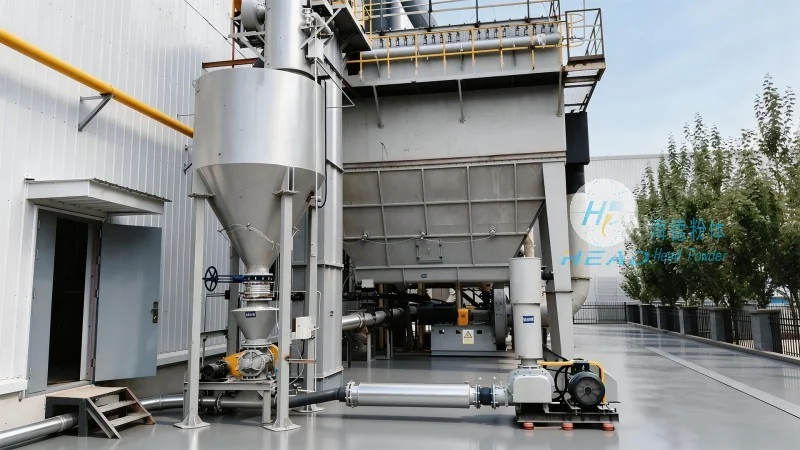
A typical gypsum pneumatic conveying system comprises several essential components, each playing a vital role in the overall operation. The primary elements include a material feeder, a conveying line (either ducted or flexible), a dust collector, and a control system. The material feeder ensures a consistent flow of gypsum into the system, while the conveying line transports the material from the source to the destination. The dust collector is crucial for maintaining air quality and preventing contamination, and the control system manages the entire process, adjusting parameters as needed to optimize performance.
Working Principle of Gypsum Pneumatic Conveying
The operation of a gypsum pneumatic conveying system relies on the principle of air movement to transport material. In a typical setup, compressed air is introduced into the conveying line, creating a flow that propels the gypsum particles. The system can operate in either positive or negative pressure modes, depending on the specific application and material characteristics. Positive pressure systems use air to push the material forward, while negative pressure systems use suction to draw the material through the line. For gypsum, which is relatively light and dusty, a positive pressure system is often preferred due to its ability to handle larger volumes and maintain consistent flow rates.
Key Design Considerations for Gypsum Pneumatic Conveying
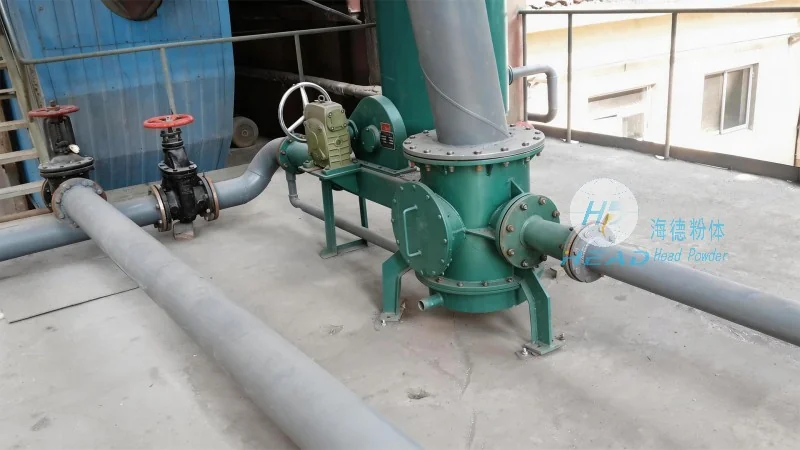
Designing an effective gypsum pneumatic conveying system involves careful consideration of several factors to ensure reliability and efficiency. First, the material properties of gypsum, such as its particle size, density, and moisture content, must be evaluated. These characteristics influence the choice of conveying velocity, line diameter, and pressure requirements. Second, the system layout and distance between the source and destination are critical, as they affect the energy consumption and overall performance. Proper sizing of the conveying line and air compressor is essential to avoid excessive pressure drops or material blockages. Additionally, the selection of materials for the components—such as corrosion-resistant materials for the ducts and robust feeders—ensures long-term durability and minimal maintenance.
Advantages of Gypsum Pneumatic Conveying
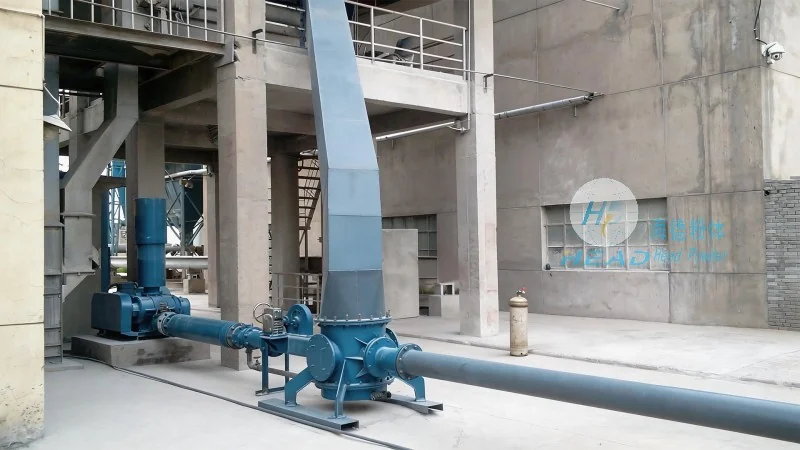
Compared to traditional bulk handling methods, gypsum pneumatic conveying offers several distinct advantages. One of the most significant benefits is the reduction of dust exposure, which enhances workplace safety and compliance with environmental regulations. The enclosed system also minimizes material loss and contamination, preserving the quality of the gypsum. Furthermore, pneumatic conveying allows for continuous, automated operation, reducing labor costs and increasing production throughput. The flexibility of the system enables easy integration with existing processing lines, making it a cost-effective solution for both new and retrofit applications.
Conclusion
Gypsum pneumatic conveying is a sophisticated and efficient method for handling gypsum, driven by sound design principles and advanced technology. By understanding the core components, operational mechanisms, and key design considerations, industries can optimize their material handling processes and achieve higher levels of productivity. At Shandong HeadPowder Engineering Co., Ltd., we leverage our expertise to develop tailored pneumatic conveying systems that meet the specific demands of the gypsum sector, ensuring reliable performance and long-term value for our clients.