

What is Cereal Pneumatic Conveying? And What Are Its Design Principles?
Cereal pneumatic conveying is a sophisticated method used in the food processing industry to transport dry, granular materials like cereals, powders, and other bulk solids. This technology offers an efficient and hygienic solution for moving these materials from one location to another within a processing facility. The process involves using air as the conveying medium, which is typically driven by a fan or blower, to transport the material through a pipeline system. This approach eliminates the need for mechanical components like belts or buckets, reducing maintenance and improving overall system reliability. Shandong HeadPowder Engineering Co., Ltd., a leading provider of such systems, specializes in designing and manufacturing high-quality pneumatic conveying solutions tailored to the needs of the food industry.

Design Principles of Cereal Pneumatic Conveying Systems
The design of a cereal pneumatic conveying system is based on several key principles that ensure efficient and safe operation. First, the system must be designed to handle the specific characteristics of the material being conveyed, such as particle size, density, and moisture content. These factors influence the air velocity required to move the material and the pressure drop across the system. Engineers must calculate the necessary air flow rate and pressure to achieve the desired conveying capacity while minimizing energy consumption.
Components of a Cereal Pneumatic Conveying System
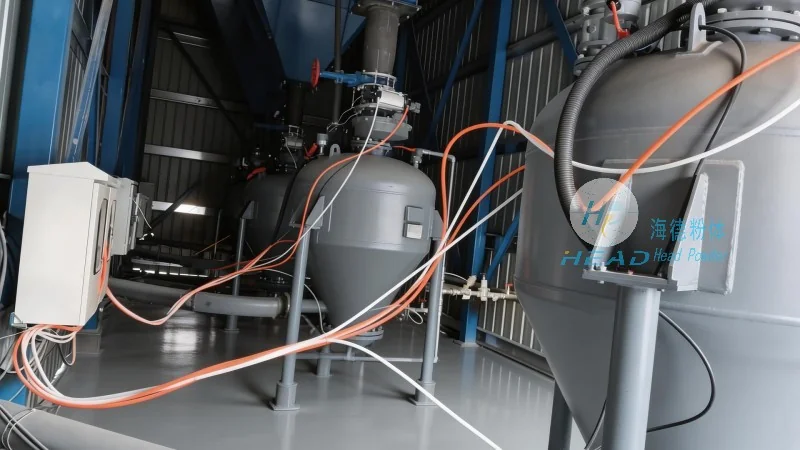
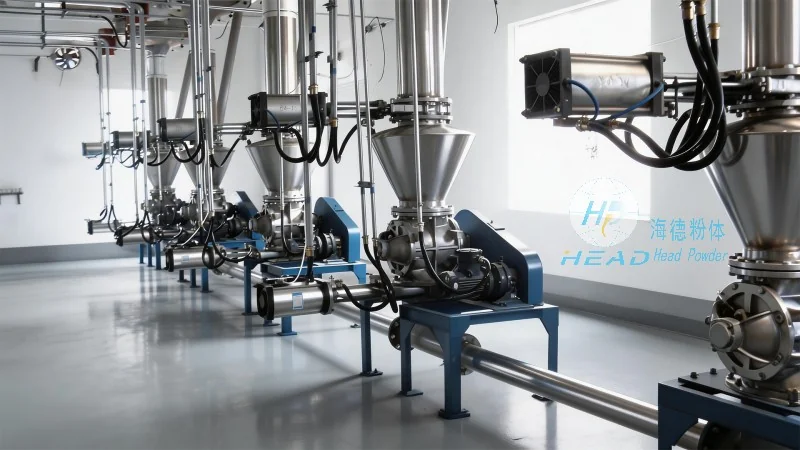
A typical cereal pneumatic conveying system consists of several essential components. The primary components include a material feed hopper, which holds the cereal and allows for controlled discharge into the conveying line. The hopper is equipped with a feeder, such as a rotary valve or a screw feeder, to regulate the flow of material into the system. The conveying line itself is made of durable materials like stainless steel or plastic, designed to withstand the abrasive nature of the cereal particles and the pressure of the air flow. At the receiving end, a receiver or silo collects the material, often with a discharge valve to control the outflow. The system also includes a filter or cyclone to separate the material from the air, ensuring that the air is clean and can be recirculated or discharged safely.