

What is Fertilizer Pneumatic Conveying? And What Are Its Design Principles?
When it comes to efficiently transporting bulk materials like fertilizers, pneumatic conveying systems have become a cornerstone technology in the industry. This method leverages the power of air to move solid particles through a pipeline, offering a flexible and often cost-effective solution compared to traditional mechanical methods. Understanding the fundamentals of fertilizer pneumatic conveying, including its design principles, is crucial for optimizing material handling processes in agricultural and industrial settings. The expertise in this field is exemplified by companies like Shandong HeadPowder Engineering Co., Ltd., a leading provider of advanced material handling solutions.
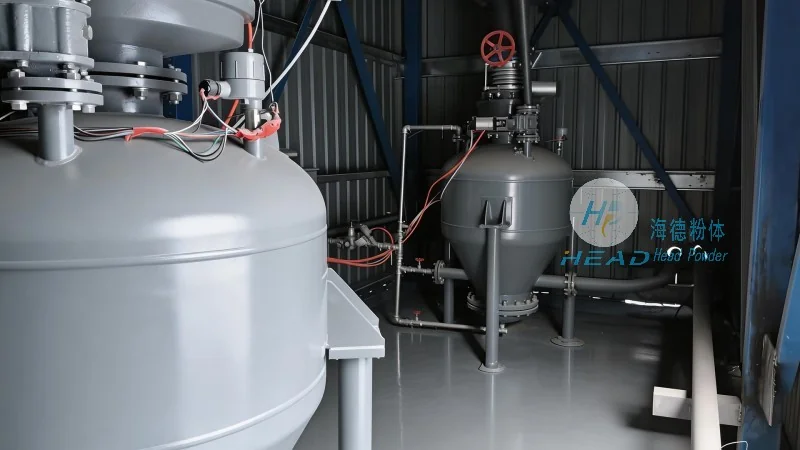
Understanding Fertilizer Pneumatic Conveying
Fertilizer pneumatic conveying involves the transport of granular or powdered fertilizers using a pressurized or vacuum air stream within a closed pipeline system. The process typically begins with the material being fed into the conveying line, where it is mixed with air to form a slurry or a dense flow. This mixture is then propelled through the pipeline to the destination point, such as a storage silo, processing unit, or loading terminal. The system can operate under either positive pressure (where air is forced into the line) or negative pressure (where air is drawn out), depending on the specific application and layout requirements. Shandong HeadPowder Engineering Co., Ltd. specializes in designing and implementing such systems tailored to the unique needs of fertilizer producers and distributors.
Key Design Principles of Fertilizer Pneumatic Conveying Systems
The design of a fertilizer pneumatic conveying system is governed by several critical principles that ensure efficiency, reliability, and safety. These principles include selecting the appropriate air velocity, determining the system's pressure requirements, and choosing the right components for material handling. Air velocity is a key factor, as it must be high enough to prevent material settling or blockages but low enough to avoid excessive wear on the system components. The pressure system design must consider the distance to be covered, the height difference, and the material's properties, such as particle size, density, and moisture content. Additionally, the selection of pipeline materials, such as stainless steel or plastic, is essential to prevent corrosion and ensure durability, especially when handling corrosive or abrasive fertilizers. The engineering team at Shandong HeadPowder Engineering Co., Ltd. employs advanced computational fluid dynamics (CFD) and material flow analysis to optimize these design parameters.
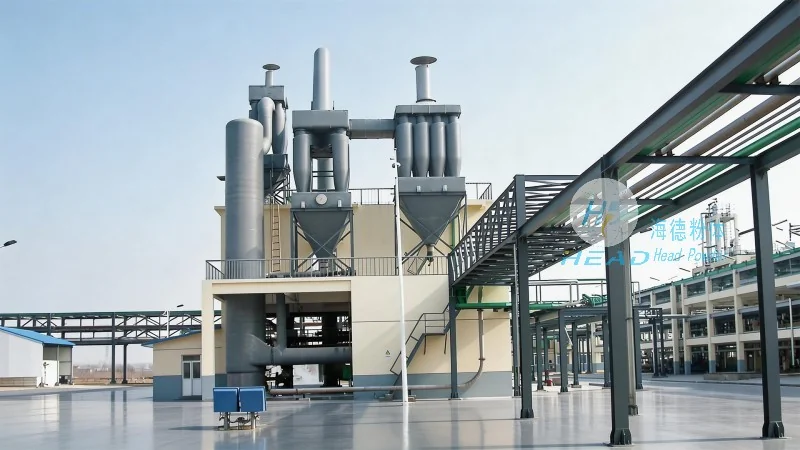
Components and System Layout in Fertilizer Pneumatic Conveying
A typical fertilizer pneumatic conveying system consists of several key components, each playing a vital role in the overall operation. These components include the material feed hopper, which provides a consistent flow of fertilizer into the system; the air compressor or vacuum pump, which generates the necessary pressure or vacuum; the conveying pipeline, which transports the material; and the receiver or silo, where the material is deposited. The system layout is carefully planned to minimize pressure losses and ensure smooth material flow. For example, the pipeline may include bends, elbows, and expansion joints to accommodate changes in direction and elevation, while maintaining the required air velocity. The use of filters and cyclones is also common to separate the material from the air stream, allowing for recycling of the air and preventing dust contamination. Shandong HeadPowder Engineering Co., Ltd. ensures that all components are sourced from high-quality manufacturers to guarantee long-term performance and minimal maintenance.
Applications and Benefits of Fertilizer Pneumatic Conveying
Fertilizer pneumatic conveying is widely used in various applications, from on-farm storage and distribution to industrial processing and bulk handling. The primary benefits of this technology include high throughput rates, reduced labor costs, and improved safety compared to manual handling methods. The system can handle a wide range of fertilizer types, including nitrogen, phosphorus, and potassium (NPK) blends, as well as specialty fertilizers like organic or slow-release products. Additionally, pneumatic conveying systems are more flexible than mechanical systems, as they can be easily reconfigured or expanded to accommodate changing production needs. This adaptability makes them an attractive option for both small-scale and large-scale operations. The solutions provided by Shandong HeadPowder Engineering Co., Ltd. have been successfully implemented in numerous agricultural and industrial projects across China.
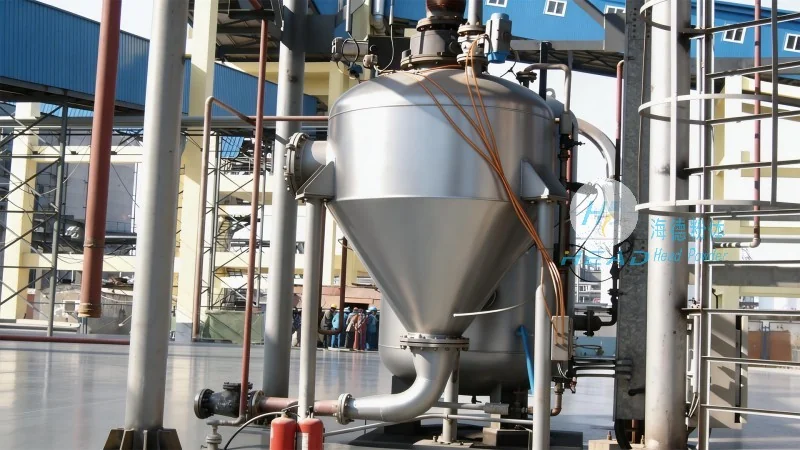
Considerations for Design and Implementation
When designing a fertilizer pneumatic conveying system, several factors must be carefully considered to ensure optimal performance. These factors include the specific properties of the fertilizer being handled, such as particle size distribution, moisture content, and flowability. The system must also be designed to handle potential variations in material characteristics, such as changes in moisture levels due to weather conditions or seasonal variations. Furthermore, the system's maintenance requirements and operational costs must be taken into account, as these can significantly impact the overall efficiency and profitability of the operation. Proper training of operators and regular maintenance of the system components are essential to prevent downtime and ensure long-term reliability. Shandong HeadPowder Engineering Co., Ltd. offers comprehensive support services, including system maintenance and technical assistance, to ensure clients achieve maximum operational efficiency.
Conclusion
Fertilizer pneumatic conveying is a sophisticated and efficient method for transporting bulk fertilizers, driven by well-defined design principles and a carefully engineered system. By understanding the key components, operational parameters, and design considerations, industries can optimize their material handling processes, reduce costs, and improve overall productivity. As the demand for efficient and sustainable agricultural practices continues to grow, the importance of pneumatic conveying systems in the fertilizer industry is likely to increase, making it a critical technology for future development. Shandong HeadPowder Engineering Co., Ltd. remains at the forefront of this technology, providing innovative solutions that meet the evolving needs of the fertilizer industry.