

What is Yeast Pneumatic Conveying? And What Are Its Design Principles?
Yeast pneumatic conveying is a specialized method used in the food and beverage industry, particularly for handling yeast, a crucial ingredient in fermentation processes. This technology involves transporting dry or wet yeast particles through a pipeline using compressed air or other gas streams. The process is designed to maintain the quality and integrity of the yeast, ensuring it remains viable and effective for industrial applications. By leveraging the principles of fluidization and gas-solid flow, this method offers a efficient and hygienic solution for moving yeast from storage to processing equipment.
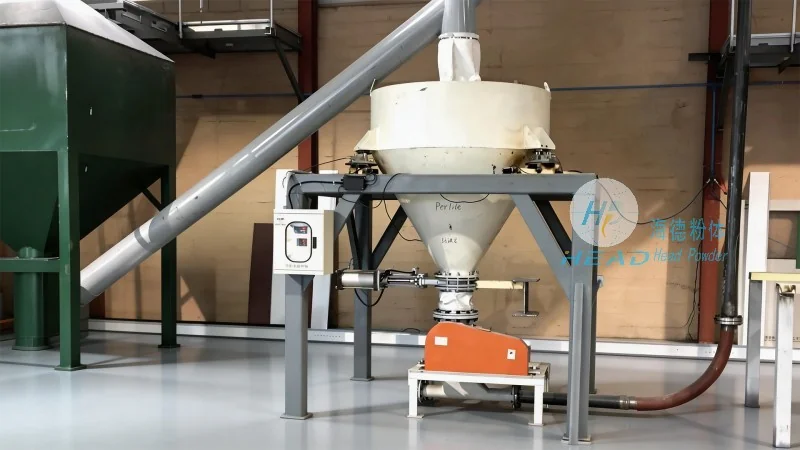
HeadPowder: A Leader in Pneumatic Conveying Solutions
Shandong HeadPowder Engineering Co., Ltd., commonly known as HeadPowder, is a prominent manufacturer specializing in pneumatic conveying systems. With a strong presence in the industry, HeadPowder has developed advanced solutions tailored to the unique needs of yeast handling, combining efficiency, reliability, and compliance with industry standards. The company’s expertise lies in designing systems that optimize the transportation of yeast while minimizing product degradation and operational costs. HeadPowder’s commitment to quality and innovation has positioned it as a trusted partner for businesses seeking to enhance their yeast handling processes.
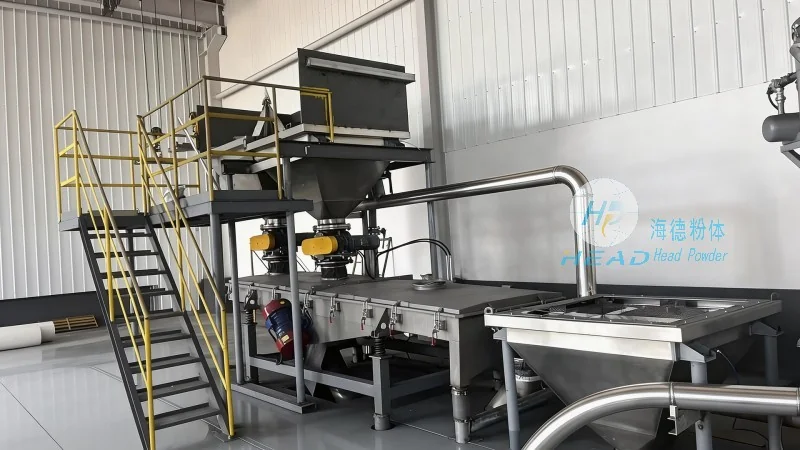
The Design Principles of Yeast Pneumatic Conveying Systems
The core of yeast pneumatic conveying lies in the principles of fluidization and gas-solid flow. In a typical system, compressed air is introduced into a hopper or storage tank containing yeast, creating a fluidized bed. This fluidization allows the yeast particles to behave like a fluid, enabling them to be drawn into the conveying pipeline. The system uses a combination of positive and negative pressure zones to move the yeast from the source to the destination, such as a fermenter or storage tank. Key design considerations include the air velocity, particle size, and moisture content of the yeast, as these factors directly impact the efficiency and effectiveness of the conveying process. HeadPowder’s engineers meticulously calculate these parameters to ensure optimal performance and minimal energy consumption, while also maintaining the yeast’s viability and quality.
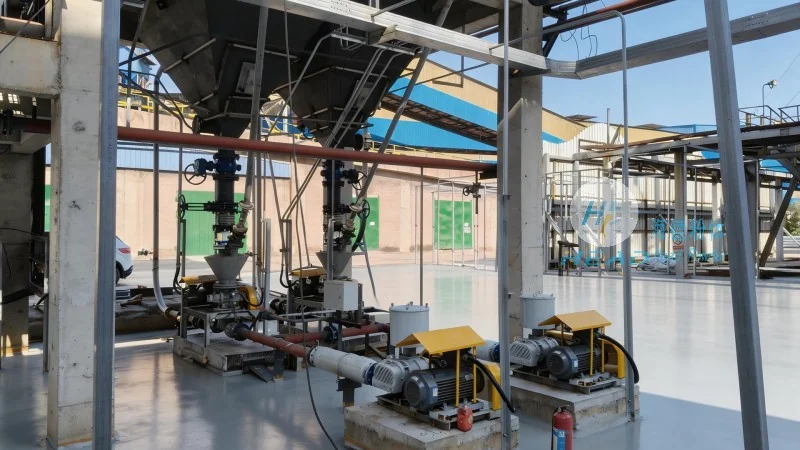
Key Components and Their Functions
A yeast pneumatic conveying system consists of several critical components, each playing a vital role in the overall operation. The hopper or silo is the primary storage vessel, where yeast is held under controlled conditions to prevent caking and maintain moisture levels. A rotary valve or feeder is used to meter the yeast into the conveying line, ensuring a consistent flow rate and preventing blockages. The pipeline itself is typically made of stainless steel to prevent contamination and corrosion, which is essential for maintaining the purity of the yeast and meeting food safety regulations. A series of elbows, bends, and straight sections guide the yeast through the system, with the design optimized to minimize pressure drop and energy loss. A filter or separator at the end of the line removes any entrained air or fine particles, ensuring a clean product and preventing system clogging. The compressed air system, including a blower or compressor, provides the necessary pressure to move the yeast, with controls to regulate air flow and pressure dynamically. HeadPowder’s systems are designed with these components integrated seamlessly, ensuring smooth operation and minimal downtime, while also offering flexibility for future expansion or modifications.
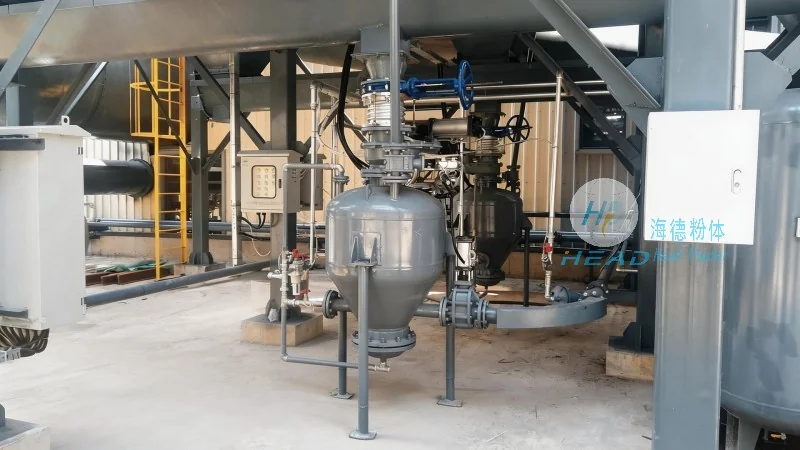
Benefits and Advantages of Yeast Pneumatic Conveying
Implementing a pneumatic conveying system for yeast offers several advantages over traditional methods like bucket elevators or belt conveyors. The primary benefit is the ability to handle both dry and wet yeast, as well as other fine powders, without the need for mechanical contact. This reduces the risk of product contamination and degradation, which is critical in food and beverage applications where product quality and safety are paramount. Additionally, pneumatic conveying systems are more compact and flexible, allowing for easier integration into existing production lines and adapting to changes in production volume. They also offer better control over the flow rate and direction of the yeast, enabling precise dosing into fermenters or other processing equipment, which is essential for consistent fermentation results. HeadPowder’s systems are engineered to provide these benefits, with features such as variable speed drives and automated controls that enhance operational efficiency and reduce labor costs. The company’s focus on energy efficiency ensures that their systems operate with minimal power consumption, contributing to lower operational costs and environmental sustainability.