

Principle of Coffee Pneumatic Conveying Equipment
HeadPowder, a leading engineering firm based in Shandong, China, specializes in the design and manufacturing of advanced pneumatic conveying systems tailored for the coffee industry. The company's expertise lies in developing efficient and reliable equipment that ensures the safe and hygienic transport of coffee beans and other related products. This article delves into the fundamental principles behind coffee pneumatic conveying equipment, highlighting the technical aspects and operational benefits that make such systems indispensable in modern coffee processing and handling.
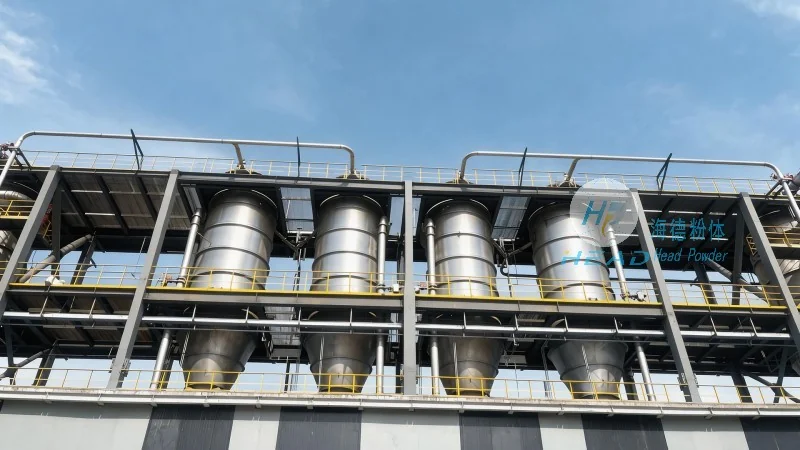
Company Overview: HeadPowder Engineering
HeadPowder Engineering Co., Ltd. is a reputable enterprise headquartered in Shandong, China. With a strong commitment to innovation and quality, the company has established itself as a trusted provider of industrial solutions for the food processing sector. Specializing in pneumatic conveying technology, HeadPowder leverages years of experience to deliver customized equipment that meets the stringent requirements of coffee production and distribution. The company's team of engineers and technicians works closely with clients to understand their specific needs, ensuring that each solution is optimized for performance, durability, and compliance with industry standards.
The Core Principle of Pneumatic Conveying
Pneumatic conveying, also known as air conveying, is a method of transporting bulk materials like coffee beans through a pipeline using compressed air. The fundamental principle involves creating a pressure differential between the inlet and outlet of the system, which propels the material forward. In coffee processing, this technology is crucial for moving raw coffee beans from storage silos to processing units, or for transferring finished products to packaging lines. The process typically involves a series of components, including a hopper, a feeder, a conveying line, and a receiver, all working in tandem to achieve efficient material transport.
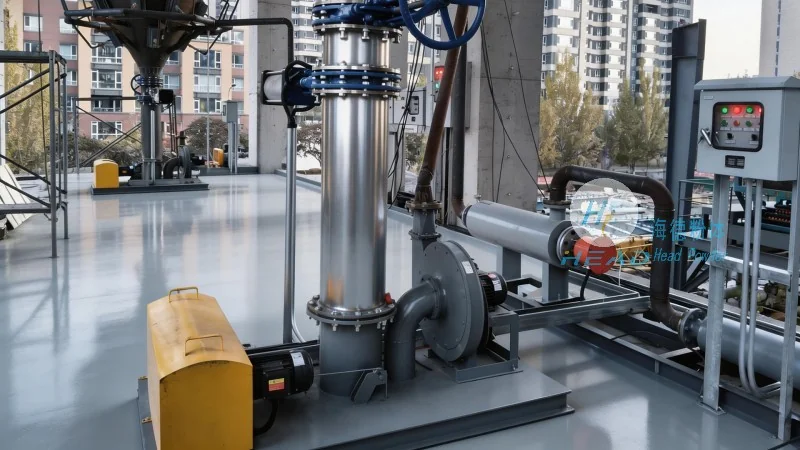
Key Components and Their Functions
The effectiveness of coffee pneumatic conveying equipment relies on several critical components, each playing a vital role in the overall operation. The hopper serves as the storage container for coffee beans, ensuring a consistent feed to the system. The feeder, often a rotary valve or a screw feeder, regulates the flow rate of the material into the conveying line. The conveying line itself is usually made of stainless steel or other corrosion-resistant materials to maintain hygiene and prevent contamination. The receiver collects the transported coffee beans at the destination point. Compressed air, supplied by a blower or a compressor, is introduced into the system to create the necessary pressure differential. The blower's capacity and pressure are carefully selected to match the material's characteristics and the system's length, ensuring optimal performance.
Advantages of Pneumatic Conveying in Coffee Processing
Implementing pneumatic conveying systems in coffee processing offers numerous advantages over traditional methods such as belt conveyors or manual handling. One of the primary benefits is the ability to maintain a clean and hygienic environment, which is essential for food products like coffee. The enclosed system prevents dust and contaminants from entering or exiting, reducing the risk of spoilage and ensuring product quality. Additionally, pneumatic conveying is highly efficient in terms of energy consumption and space utilization. The equipment occupies less floor space compared to other bulk handling solutions, making it ideal for facilities with limited room. Another key advantage is the flexibility of the system, which can be easily adjusted to handle varying material volumes and types. This adaptability allows coffee processing plants to scale their operations without significant modifications to the conveying infrastructure.
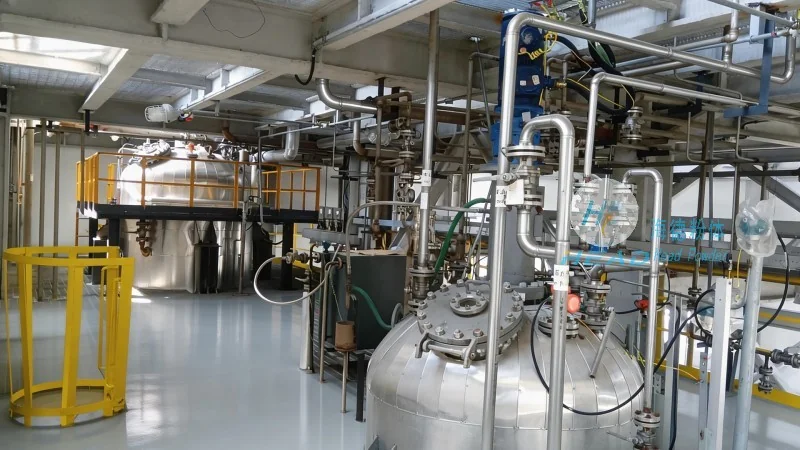
Technical Considerations and Best Practices
When designing and operating coffee pneumatic conveying equipment, several technical considerations must be taken into account to ensure optimal performance and longevity. The selection of the right blower type is critical; positive displacement blowers are commonly used for high-pressure applications, while centrifugal blowers are suitable for low-pressure systems. The material's properties, such as moisture content, density, and particle size, influence the choice of conveying line diameter and air velocity. For coffee beans, which are relatively light and have a high moisture content, a lower air velocity is often recommended to prevent material degradation. Regular maintenance is essential to keep the system running smoothly. This includes cleaning the hopper and conveying line to prevent clogging, checking the blower for wear and tear, and monitoring the air pressure and flow rates. Proper training for operators is also crucial to ensure safe and efficient operation of the equipment.
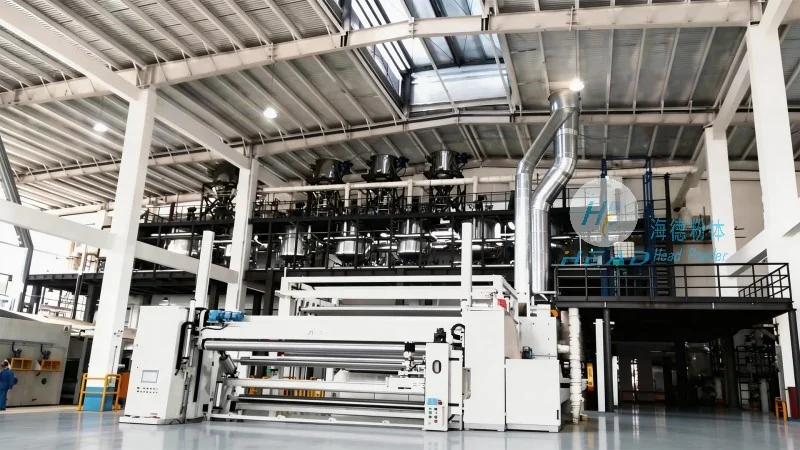
Application Scenarios in Coffee Production
Coffee pneumatic conveying equipment is widely used in various stages of coffee production and handling. In the raw material stage, it efficiently transports coffee beans from storage silos to roasting machines. The system can handle both green and roasted coffee beans, ensuring a consistent supply to the roasting line. During the roasting process, the equipment may be used to transfer roasted beans to cooling and packaging units. In the post-roasting stage, pneumatic conveying is employed to move ground coffee or instant coffee products to packaging lines or storage areas. The versatility of the system makes it suitable for both small-scale and large-scale coffee processing facilities, from artisanal roasters to industrial coffee manufacturers.
Conclusion: The Role of HeadPowder in Advancing Coffee Pneumatic Conveying
HeadPowder Engineering Co., Ltd. continues to play a pivotal role in advancing the technology and application of coffee pneumatic conveying equipment. By combining innovative engineering solutions with a deep understanding of the coffee industry's needs, the company provides reliable and efficient systems that enhance productivity and product quality. As the coffee market evolves, the demand for advanced bulk handling solutions will only increase, and HeadPowder is well-positioned to meet these challenges with its expertise and commitment to excellence. The principles and components discussed in this article underscore the importance of pneumatic conveying in modern coffee processing, and HeadPowder's contributions to this field ensure that coffee producers can operate with greater efficiency and reliability.