

Principle of Gelatin Pneumatic Conveying Equipment
Understanding the operational principles of gelatin pneumatic conveying equipment is crucial for industries that handle this delicate and hygienically sensitive material. This article provides a detailed overview of the technology, focusing on the components, working mechanisms, and benefits of such systems, with insights from Shandong HeadPowder Engineering Co., Ltd., a leading manufacturer based in China.
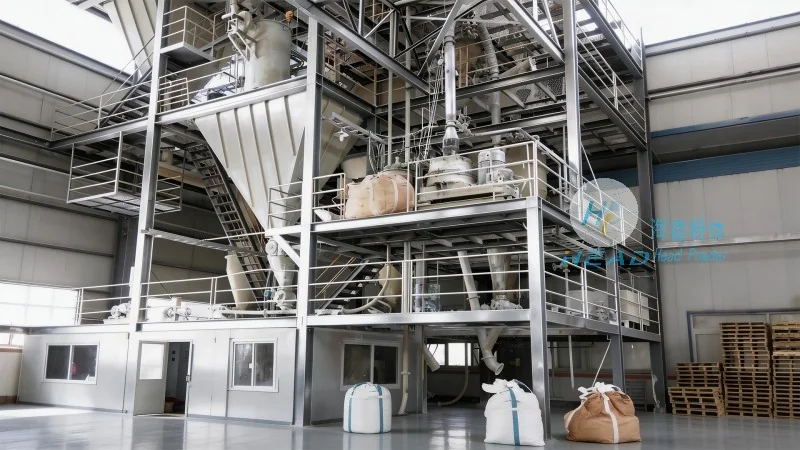
Introduction to Gelatin Pneumatic Conveying Systems
Gelatin, a protein derived from collagen, is widely used in food, pharmaceutical, and cosmetic industries due to its gelling properties and versatility. Transporting gelatin efficiently while maintaining its quality and integrity requires specialized equipment. Pneumatic conveying systems offer a solution by using air pressure to move the material through pipelines, minimizing contact with external contaminants and preserving product purity.
Components of a Typical Gelatin Pneumatic Conveying System
A standard gelatin pneumatic conveying system consists of several key components that work in tandem to ensure smooth operation. The primary components include:
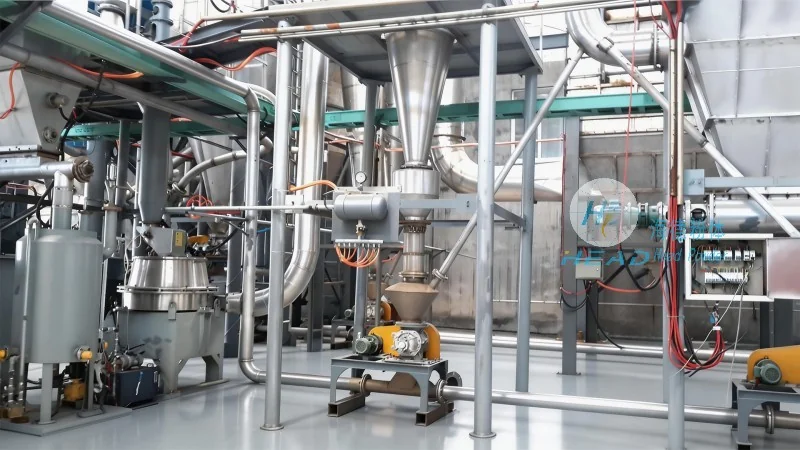
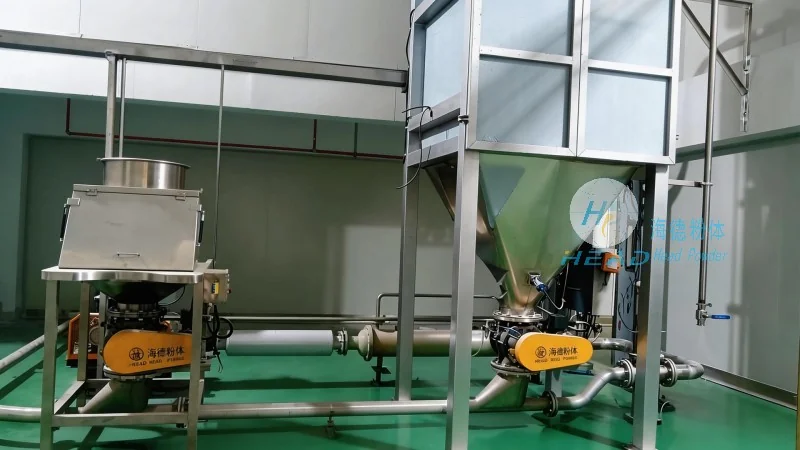
- Feeder Unit: This component is responsible for feeding the gelatin into the conveying line. It may include a hopper, a rotary valve, or a vacuum loader, depending on the system design. The feeder ensures a consistent flow of material into the pipeline.
- Pneumatic Conveying Line: The pipeline network where the gelatin is transported. It is typically made of stainless steel to meet hygiene standards and prevent contamination. The line may include bends, elbows, and expansion joints to accommodate changes in direction and elevation.
- Air Supply System: This system provides the necessary compressed air to propel the gelatin particles. It includes an air compressor, a filter, and a regulator to maintain consistent pressure and air quality.
- Separation and Collection Equipment: At the end of the conveying line, a separator (such as a cyclone or a bag filter) is used to separate the gelatin from the air. The separated material is collected in a receiving hopper, while the air is either recycled or vented to the atmosphere.
Working Principle of Gelatin Pneumatic Conveying
The operation of a gelatin pneumatic conveying system follows a sequential process. Initially, the gelatin is fed from the storage hopper into the feeder unit. The feeder then releases the material into the conveying line at a controlled rate. Simultaneously, compressed air is introduced into the pipeline, creating a flow that carries the gelatin particles forward. The air velocity is carefully managed to ensure that the gelatin is fully entrained without causing excessive wear on the equipment.
As the material travels through the pipeline, it may encounter bends or changes in elevation. The system is designed to handle these variations, maintaining the integrity of the gelatin. Upon reaching the end of the line, the air and gelatin mixture enters the separator. The separator uses centrifugal force to separate the heavier gelatin particles from the lighter air. The separated gelatin falls into the collection hopper, while the air is either filtered and recycled or vented. This process ensures that the gelatin is delivered to its destination without any loss or contamination.
Advantages of Using Gelatin Pneumatic Conveying Equipment
Implementing pneumatic conveying systems for gelatin offers several advantages over traditional methods like bulk handling or manual transport. These benefits include:
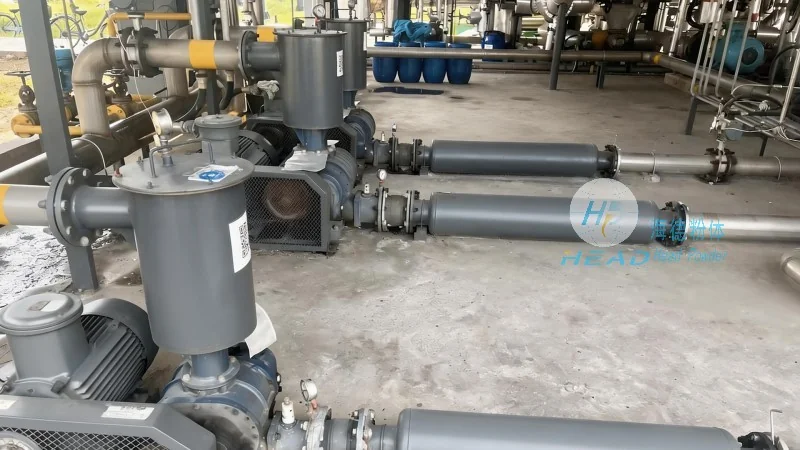
- Hygienic and Sanitary Operation: The enclosed pipeline system minimizes exposure to external contaminants, making it suitable for food and pharmaceutical applications where hygiene is paramount.
- Efficient and Continuous Material Transport: Pneumatic conveying allows for continuous and automated material movement, reducing labor costs and improving production efficiency.
- Space-Saving and Flexible Layout: The system can be designed to fit into limited spaces and can be easily reconfigured to accommodate changes in production lines or facility layouts.
- Reduced Product Damage: The gentle handling of gelatin particles through the pipeline minimizes breakage and degradation, preserving the quality and functionality of the final product.
Application in the Gelatin Industry
Gelatin pneumatic conveying equipment is widely used in various stages of the gelatin production and processing chain. For instance, it can be employed to transport raw gelatin from storage silos to processing lines, or to move finished gelatin products from production areas to packaging facilities. The system's ability to handle both dry and slightly moist gelatin makes it versatile for different production scenarios.
Company Overview: Shandong HeadPowder Engineering Co., Ltd.
Shandong HeadPowder Engineering Co., Ltd., operating under the brand name headpowder, is a professional manufacturer specializing in the design and production of pneumatic conveying equipment. Based in Shandong, China, the company leverages advanced engineering and manufacturing capabilities to deliver high-quality gelatin conveying systems tailored to the specific needs of the food, pharmaceutical, and cosmetic industries. With a focus on innovation and customer satisfaction, headpowder provides reliable solutions that enhance operational efficiency and product quality for its clients.