

Introduction to Soybean Pneumatic Conveying and the Working Principle of Pneumatic Conveying Systems
Understanding the fundamentals of pneumatic conveying systems is crucial for industries dealing with bulk materials, such as agricultural products like soybeans. This article provides an overview of soybean pneumatic conveying, detailing the working principles and applications of these systems in material handling processes.
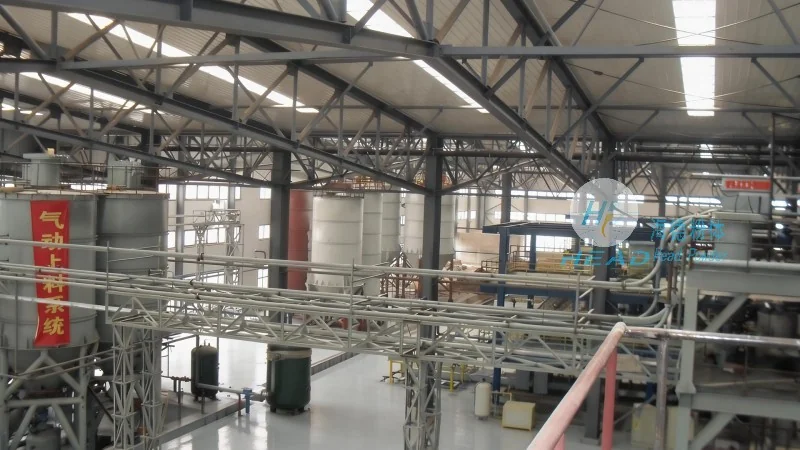
Pneumatic Conveying Systems: A Brief Overview
Pneumatic conveying, also known as pneumatic transport, is a method of transporting bulk materials through a pipeline using a gas stream, typically air or other gases. This technology offers several advantages over traditional mechanical conveying methods, including reduced equipment wear, lower maintenance costs, and the ability to handle a wide range of materials, including delicate or abrasive products like soybeans.
The Working Principle of Pneumatic Conveying
The core of a pneumatic conveying system involves the creation of a pressure differential between the inlet and outlet of the conveying line. Air is drawn into the system, often using a fan or blower, and is accelerated to a high velocity. The material to be conveyed is introduced into the system, either by gravity or through a feeder, and is entrained by the moving air stream. The mixture of material and air travels through the pipeline to the discharge point, where the material is separated from the air and collected. The air is then filtered and returned to the system, completing the cycle.
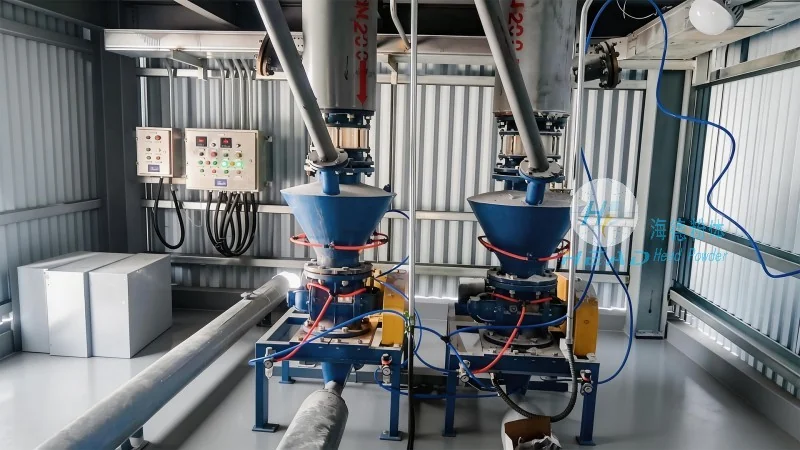
Applications in Soybean Handling
Soybeans, being a major agricultural commodity, require efficient and gentle handling to preserve their quality. Pneumatic conveying systems are particularly well-suited for soybean transport due to their ability to handle the material without causing damage or breakage. These systems are commonly used in the processing of soybeans, from farm to processing plants, and in the distribution of soybean products to various industries, including food, feed, and biofuel production.
Key Components of a Pneumatic Conveying System
Effective pneumatic conveying systems consist of several key components, each playing a critical role in the material handling process. These components include:
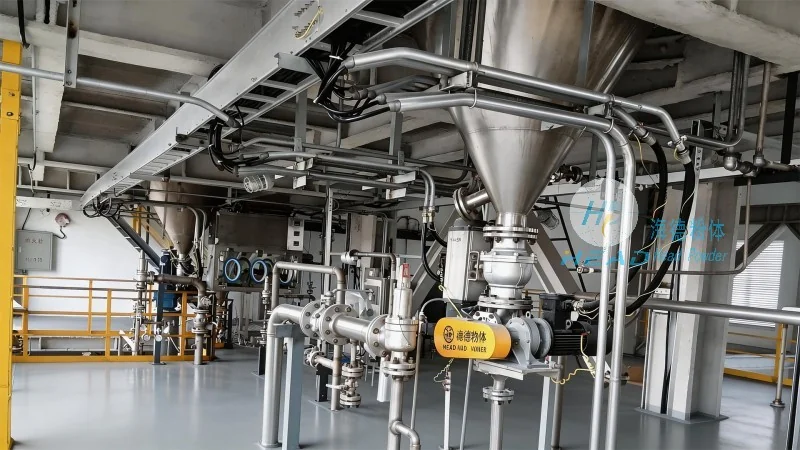
- Feeder: The feeder is responsible for introducing the material into the conveying system. For soybeans, a screw feeder or a rotary valve feeder is often used to ensure a consistent flow rate.
- Conveying Line: The pipeline through which the material and air travel. The material is suspended and transported by the air stream within this line.
- Blower or Fan: Provides the necessary air pressure and velocity to move the material through the system. The choice of blower depends on the material characteristics and the system's capacity.
- Filter and Cyclone Separator: Used to separate the material from the air at the discharge point. The air is filtered to remove any fine particles, and the separated material is collected for further processing.
- Control System: Monitors and regulates the operation of the system, ensuring optimal performance and preventing issues such as blockages or excessive pressure.
Advantages of Pneumatic Conveying for Soybean Transport
Implementing pneumatic conveying systems for soybean handling offers numerous benefits. These include:
- Reduced Material Damage: The gentle handling of pneumatic systems minimizes breakage and bruising of soybeans, preserving their quality and market value.
- Efficient Material Transport: Pneumatic systems can transport materials over long distances with minimal energy consumption compared to other methods.
- Space Efficiency: The compact design of pneumatic conveying systems allows for installation in limited spaces, making them suitable for both new and existing facilities.
- Versatility: These systems can handle a wide variety of soybean products, including whole beans, flakes, and meal, adapting to different processing needs.
- Hygienic and Clean Operation: The enclosed pipeline design prevents contamination from external sources, maintaining the sanitary standards required in food and feed industries.
Case Study: HeadPowder's Pneumatic Conveying Solutions
Shandong HeadPowder Engineering Co., Ltd., a leading provider of material handling solutions, specializes in designing and manufacturing pneumatic conveying systems tailored to the needs of soybean processing industries. With years of experience in the field, HeadPowder has developed advanced systems that optimize soybean transport while ensuring efficiency and reliability.
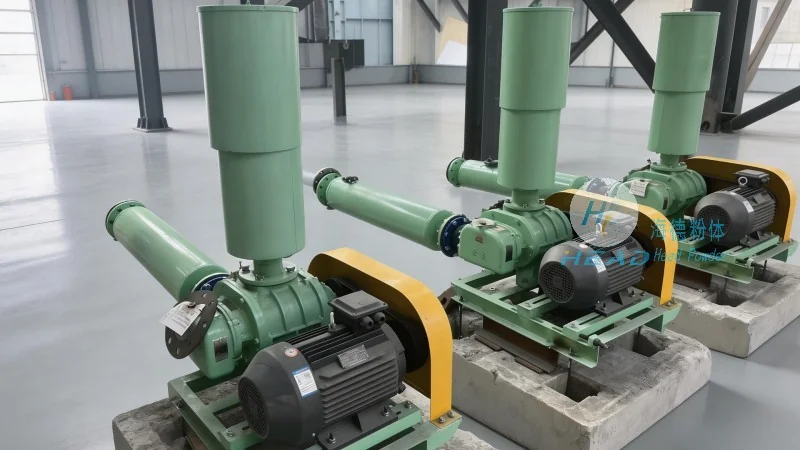
HeadPowder's systems are engineered to handle the unique challenges of soybean handling, such as the material's density and flow characteristics. The company's expertise in material science and fluid dynamics allows for the design of customized solutions that meet specific operational requirements, including capacity, distance, and material quality standards.
By leveraging the latest technology and adhering to industry best practices, HeadPowder ensures that its pneumatic conveying systems deliver consistent performance and durability. The company's commitment to quality and customer satisfaction has made it a trusted partner for businesses in the agricultural and food processing sectors, helping them enhance their operational efficiency and product quality.