

Classification and Application Analysis of Kaolin Powder Pneumatic Conveying Systems
Kaolin powder, a widely used industrial material, often requires efficient and reliable transportation methods for industrial processes. Pneumatic conveying systems have emerged as a key solution for handling kaolin powder due to their ability to transport powders over long distances with minimal environmental impact. This article provides an in-depth analysis of the classification of these systems and their practical applications in various industrial settings.
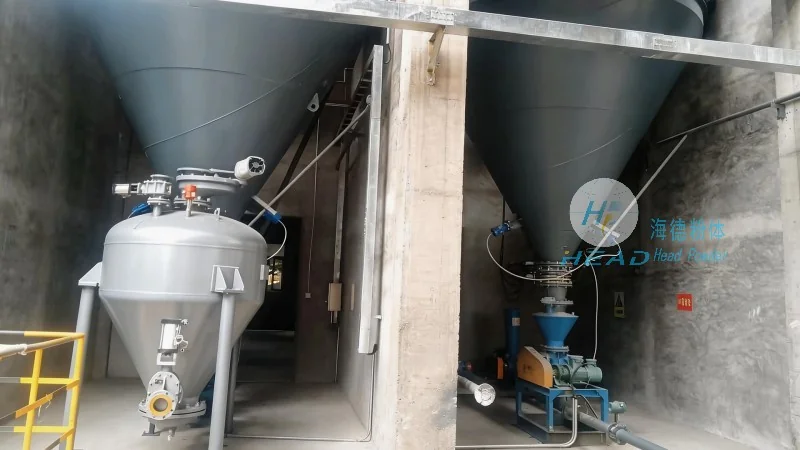
Company Profile: Shandong HeadPowder Engineering Co., Ltd.
HeadPowder, a leading engineering firm based in Shandong, China, specializes in the design, manufacturing, and implementation of advanced pneumatic conveying solutions. With a strong focus on innovation and customer-centric service, the company has established itself as a trusted partner in the powder handling industry. The company’s expertise lies in tailoring systems to meet the specific needs of clients, ensuring optimal performance and efficiency in kaolin powder transportation.
Classification of Kaolin Powder Pneumatic Conveying Systems
Pneumatic conveying systems for kaolin powder can be broadly categorized based on several key factors, including the conveying principle, pressure levels, and application requirements. The primary classifications include:
1. Positive Pressure Conveying: This system operates by blowing air or gas into the material stream, creating a positive pressure environment. It is suitable for short to medium-distance transport and is commonly used in applications where the powder is relatively dry and free-flowing. The positive pressure system ensures that the material is continuously moved through the pipeline, minimizing the risk of blockages and ensuring consistent flow rates.
2. Negative Pressure (Vacuum) Conveying: In contrast, negative pressure systems use a vacuum to draw the powder into the conveying line. This method is ideal for longer distances and for handling materials that are more cohesive or have higher moisture content. The vacuum system allows for the collection of dust and particles, making it suitable for applications where dust control is a priority. The negative pressure approach is particularly effective in environments where the powder needs to be transported from multiple sources to a central processing unit.
3. Combined Pressure-Vacuum Conveying: This hybrid system combines elements of both positive and negative pressure methods. It typically uses a positive pressure stage for initial material pickup and a vacuum stage for the final transport to the destination. This approach is advantageous for complex layouts where the powder needs to be transported over varying distances or through multiple stages. The combined system offers flexibility and efficiency, making it suitable for large-scale industrial operations.
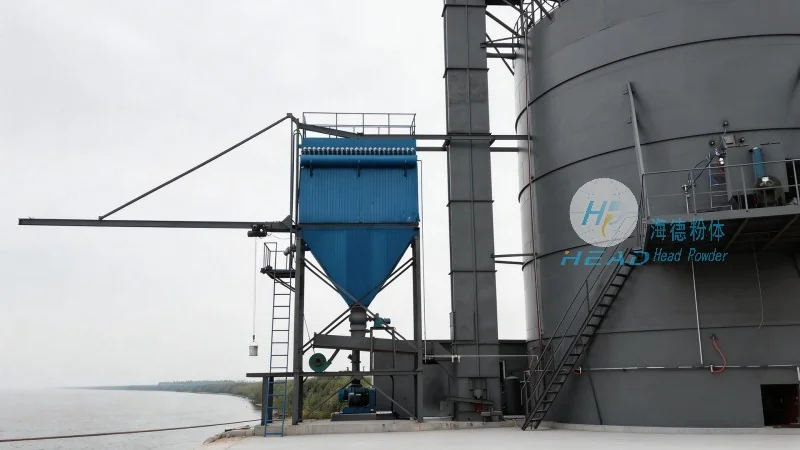
Key Applications of Kaolin Powder Pneumatic Conveying Systems
The versatility of kaolin powder makes it indispensable in various industries, and the corresponding pneumatic conveying systems are tailored to meet the demands of these applications. Some of the key industries and applications include:
1. Paper Manufacturing: Kaolin is a crucial component in the production of high-quality paper, providing brightness and smoothness. Pneumatic conveying systems are used to transport kaolin from storage silos to the paper mill, ensuring a consistent supply of raw material. The systems are designed to handle large volumes of powder and maintain the quality of the material throughout the transport process.
2. Paint and Coating Industry: Kaolin is used as a filler and extender in paints and coatings, enhancing their texture and durability. The pneumatic conveying systems are essential for delivering kaolin powder to production lines, where it is mixed with other ingredients. The systems ensure that the powder is delivered in a controlled manner, preventing agglomeration and maintaining the desired particle size distribution.
3. Pharmaceutical and Food Processing: In these industries, the purity and quality of kaolin are critical. Pneumatic conveying systems are used to transport kaolin powder in a sterile and controlled environment, minimizing contamination risks. The systems are designed with features such as dust filtration and air purification to meet the stringent standards of these sectors.
4. Construction Materials: Kaolin is used in the production of ceramics, bricks, and other construction materials. The pneumatic conveying systems are used to transport the powder from storage to the production facilities, ensuring efficient and safe handling. The systems are often integrated with other processing equipment to streamline the production process.
Advantages of Using Pneumatic Conveying Systems for Kaolin Powder
Implementing pneumatic conveying systems for kaolin powder offers several significant advantages over traditional methods such as bucket elevators or belt conveyors. These benefits include:
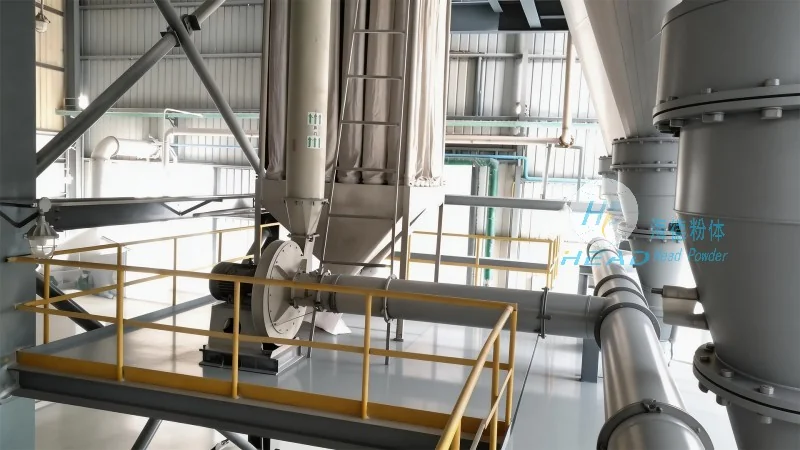
1. Reduced Downtime and Maintenance: Pneumatic systems are generally more reliable and require less maintenance compared to mechanical conveyors. The absence of moving parts in the conveying line reduces the risk of mechanical failure, leading to lower downtime and operational costs.
2. Improved Material Handling Efficiency: The ability to transport kaolin powder over long distances with minimal loss of material quality is a major advantage. Pneumatic systems ensure that the powder remains in a dry and free-flowing state, preventing caking and agglomeration. This leads to higher throughput and better overall process efficiency.
3. Enhanced Safety and Environmental Control: Pneumatic conveying systems are enclosed, which helps in controlling dust emissions and maintaining a safe working environment. The systems are equipped with dust collection and filtration mechanisms, ensuring compliance with environmental regulations and reducing the risk of respiratory hazards for workers.
4. Flexibility in Layout and Integration: Pneumatic systems can be easily integrated into existing industrial layouts, allowing for the adaptation of new processes or expansion of facilities. The flexibility in pipeline routing and the ability to connect multiple points of material pickup and delivery make these systems highly adaptable to changing production needs.
Conclusion
In conclusion, the classification and application of kaolin powder pneumatic conveying systems play a vital role in optimizing industrial processes. The systems offered by Shandong HeadPowder Engineering Co., Ltd. provide tailored solutions that address the specific requirements of various industries, ensuring efficient, safe, and cost-effective transportation of kaolin powder. By leveraging advanced technology and engineering expertise, these systems contribute significantly to the productivity and sustainability of industrial operations.