

Classification and Application Analysis of Dry Desulfurizer Pneumatic Conveying Systems
As a critical component in modern industrial processes, dry desulfurizer pneumatic conveying systems are essential for the efficient handling and transportation of desulfurization agents. These systems facilitate the movement of dry powders, such as limestone or other alkaline materials, which are vital for flue gas desulfurization in power plants and other industrial facilities. The technology behind these systems has advanced significantly, offering various classifications and applications tailored to diverse operational requirements.
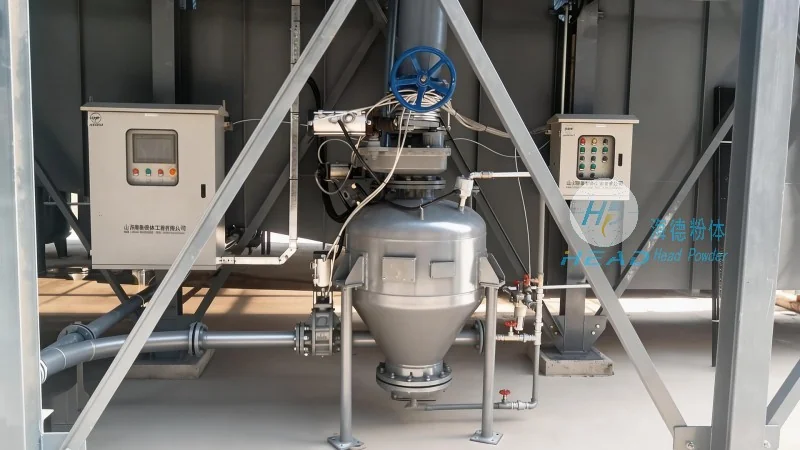
Company Profile: Shandong HeadPowder Engineering Co., Ltd.
HeadPowder, or Shandong HeadPowder Engineering Co., Ltd., is a leading manufacturer and supplier of advanced pneumatic conveying solutions. With a strong operational base in China, particularly in the Shandong province, the company specializes in developing customized dry desulfurizer systems that meet the specific needs of clients in the energy and environmental sectors. The company's headquarters is located in Shandong, China, where it leverages local expertise and resources to deliver high-quality engineering services and products.
Classification of Dry Desulfurizer Pneumatic Conveying Systems
Dry desulfurizer pneumatic conveying systems can be classified based on key parameters including the type of conveying medium, pressure utilized, and system component design. The primary classifications include:
1. Positive Pressure Systems: These systems employ compressed air or other gases to create a positive pressure within the conveying line, pushing the desulfurizer material forward. This type is commonly used for short to medium distance conveying and is suitable for materials with low to moderate moisture content.
2. Negative Pressure Systems: Also known as vacuum systems, these use a vacuum to draw the desulfurizer material into the conveying line. They are ideal for applications requiring longer distances or when the material needs to be transported from multiple sources to a central collection point.
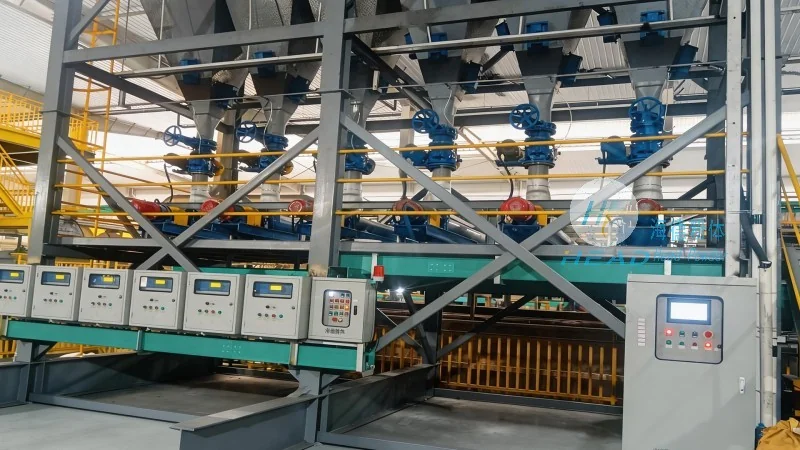
3. Combined Pressure-Negative Systems: A hybrid approach that integrates elements of both positive and negative pressure systems. This design allows for flexibility in conveying different materials over varying distances, making it suitable for complex industrial setups.
4. Gravity Conveying Systems: While less common for desulfurizer materials due to their fine particle size, gravity systems can be used in specific scenarios where the material's density and flow characteristics permit efficient gravity-based transport. These systems are typically employed in low-velocity applications and require careful design to prevent material segregation.
Application Analysis of Dry Desulfurizer Pneumatic Conveying Systems
The application of dry desulfurizer pneumatic conveying systems is widespread across various industries, with the power generation sector being the most prominent. In coal-fired power plants, these systems are integral to the flue gas desulfurization (FGD) process, where limestone or other alkaline powders are injected into the flue gas stream to neutralize sulfur dioxide (SO₂). The efficiency of the conveying system directly impacts the overall performance of the FGD unit, as any inefficiency can lead to reduced desulfurization efficiency and increased operational costs.
In addition to power plants, these systems are also utilized in industrial facilities such as steel mills, cement plants, and chemical manufacturing sites. For example, in steel production, the desulfurizer is used to remove sulfur from molten steel, and the pneumatic conveying system ensures precise and consistent delivery of the desulfurization agent. Similarly, in cement plants, the system aids in the handling of limestone or other raw materials required for cement production, contributing to the overall productivity and environmental compliance of the facility.
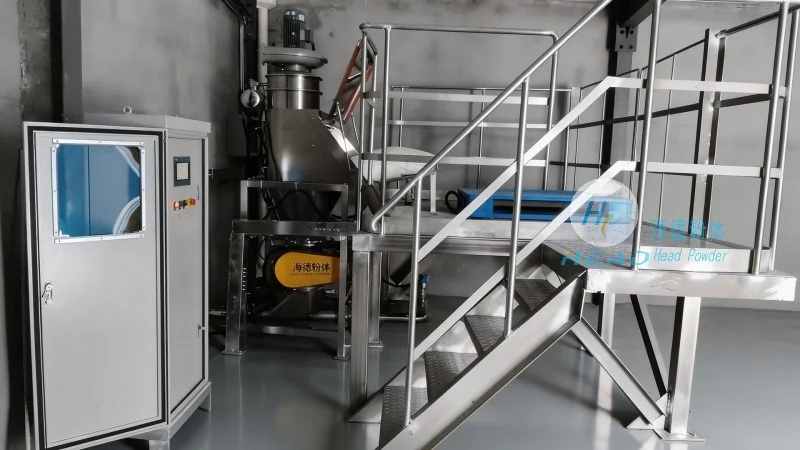
The choice of system classification is critical in determining suitability for a particular application. Positive pressure systems are often preferred for short-distance conveying in power plants due to their simplicity and lower energy consumption. Negative pressure systems, on the other hand, are more suitable for longer distances or when the material needs to be collected from multiple points. Combined systems offer the flexibility to handle both short and long-distance requirements, making them a versatile choice for complex industrial environments.
Advantages and Considerations in Dry Desulfurizer Pneumatic Conveying
One of the key advantages of dry desulfurizer pneumatic conveying systems is their ability to handle fine powders without the need for additional equipment such as conveyors or elevators. This reduces the risk of material degradation and ensures a consistent flow rate. Additionally, these systems are relatively compact and can be integrated into existing industrial setups with minimal modifications, making them a cost-effective solution for many applications.
However, the design and operation of these systems require careful consideration of several factors. The moisture content of the desulfurizer material is a critical parameter, as high moisture levels can lead to material caking or blockages in the conveying line. Proper drying and conditioning of the material before conveying are essential to maintain system efficiency. Furthermore, the system's pressure and flow rates must be optimized to prevent excessive wear on components and to ensure the material is transported at the desired velocity without causing excessive pressure drops.
Conclusion
Overall, dry desulfurizer pneumatic conveying systems represent a sophisticated and efficient solution for handling desulfurization agents in various industrial applications. The classification of these systems based on pressure, design, and application allows for tailored solutions that meet the specific needs of clients. With advancements in technology and engineering, these systems continue to evolve, offering improved performance, reliability, and environmental compliance. As the demand for cleaner energy and stricter environmental regulations grows, the importance of efficient desulfurizer handling systems will only increase, making them a vital component of modern industrial operations.