

Classification and Application Analysis of Biomass Pellet Pneumatic Conveying Systems
HeadPowder, a leading engineering firm based in Shandong, China, specializes in the design, manufacturing, and implementation of advanced pneumatic conveying systems tailored for biomass pellet handling. This article provides a comprehensive overview of the classification of biomass pellet pneumatic conveying systems and their practical applications, highlighting the technical advancements and operational efficiencies that these systems offer to industries involved in biomass processing and utilization.
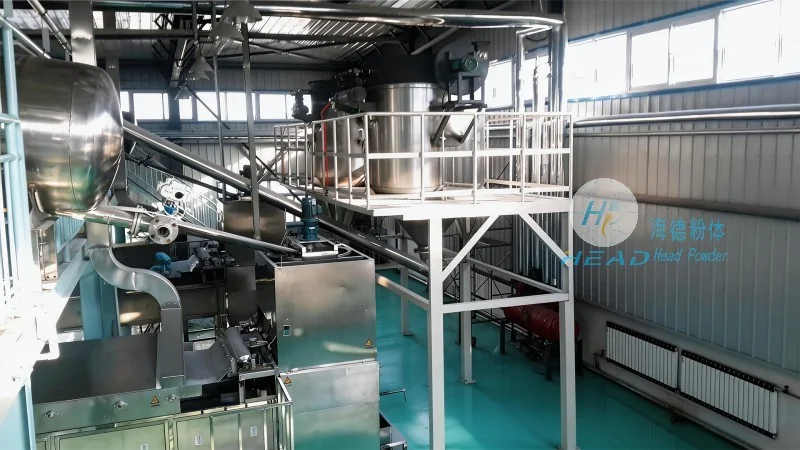
Introduction to Biomass Pellet Pneumatic Conveying Systems
Biomass pellets are a renewable energy source derived from organic materials such as wood chips, agricultural residues, and other plant-based feedstocks. The efficient transportation of these pellets from storage to processing units or end-use applications is crucial for optimizing production workflows and minimizing material loss. Pneumatic conveying systems utilize air or gas to transport bulk materials like biomass pellets, offering a non-contact, low-maintenance, and flexible solution compared to traditional mechanical conveyors. HeadPowder's expertise in this field ensures that clients receive customized solutions that meet specific operational requirements, including material characteristics, distance, and throughput needs.
Classification of Biomass Pellet Pneumatic Conveying Systems
Biomass pellet pneumatic conveying systems can be broadly classified based on the pressure and flow characteristics of the conveying medium. The primary categories include:
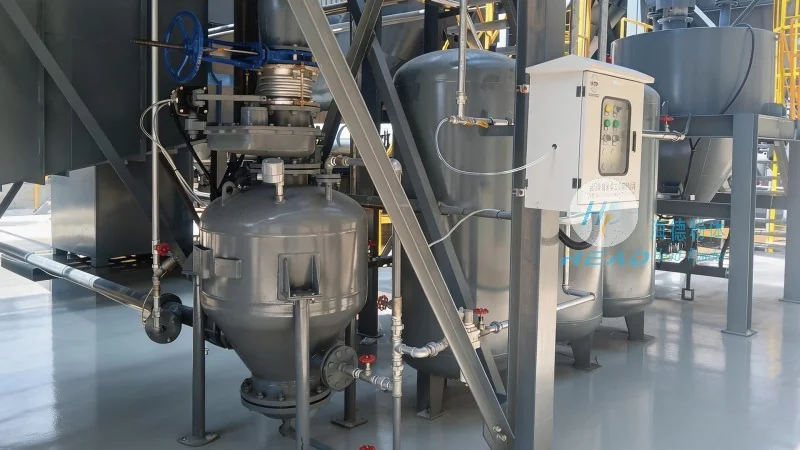
- Positive Pressure Systems: These systems operate by blowing air or gas into the conveying line, creating a positive pressure that propels the biomass pellets forward. Positive pressure systems are suitable for short to medium distances and are commonly used in applications where the material is light and has low dust content. HeadPowder's positive pressure systems are designed with high-efficiency blowers and robust pipeline networks to ensure consistent material flow and minimal pressure drop.
- Negative Pressure (Vacuum) Systems: Negative pressure systems create a vacuum in the conveying line, drawing the biomass pellets into the system. This type of system is ideal for longer distances and applications where the material may contain dust or require a more controlled environment. HeadPowder's vacuum conveying systems incorporate advanced filtration and air purification components to maintain air quality and prevent material degradation.
- Combined Pressure-Vacuum Systems: As the name suggests, these systems combine elements of both positive and negative pressure operation. They are versatile and can handle a wide range of material characteristics and distances, making them suitable for complex production lines. HeadPowder's combined systems offer flexibility in operation, allowing for adjustments based on changing production demands.
Key Components and Technical Advancements
Each type of biomass pellet pneumatic conveying system consists of several critical components that work in tandem to ensure efficient operation. These components include:
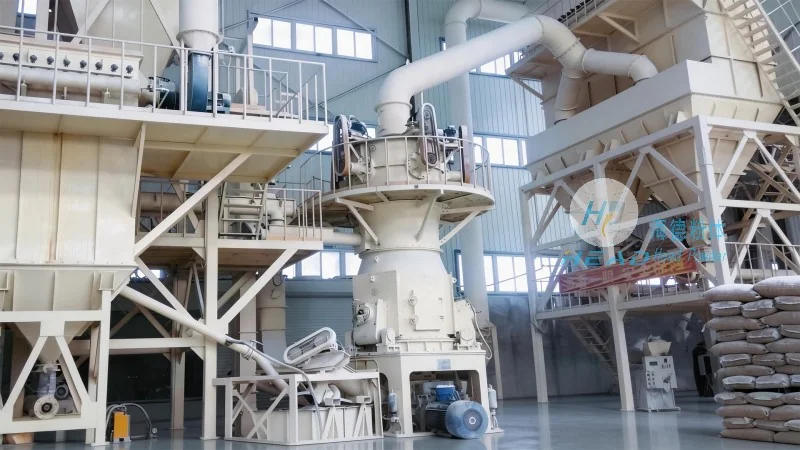
- Feeder: The feeder is responsible for feeding the biomass pellets into the conveying line at a controlled rate. HeadPowder utilizes high-capacity feeders, such as rotary valves or screw feeders, to maintain consistent material flow and prevent blockages.
- Conveying Line: The pipeline network is typically made of stainless steel or other corrosion-resistant materials to withstand the abrasive nature of biomass pellets. HeadPowder designs flexible and durable pipelines that can accommodate changes in direction and distance, minimizing material degradation and system downtime.
- Blower or Vacuum Pump: The power source that generates the necessary pressure or vacuum to move the biomass pellets. HeadPowder selects high-efficiency blowers or vacuum pumps that are energy-efficient and reliable, reducing operational costs and environmental impact.
- Filtration and Dust Collection: To maintain air quality and comply with environmental regulations, filtration systems are integrated into the conveying process. HeadPowder's systems include advanced filters and dust collectors that effectively capture particulate matter, ensuring clean air discharge and compliance with local standards.
Applications and Operational Benefits
Biomass pellet pneumatic conveying systems find applications across various industries, including:
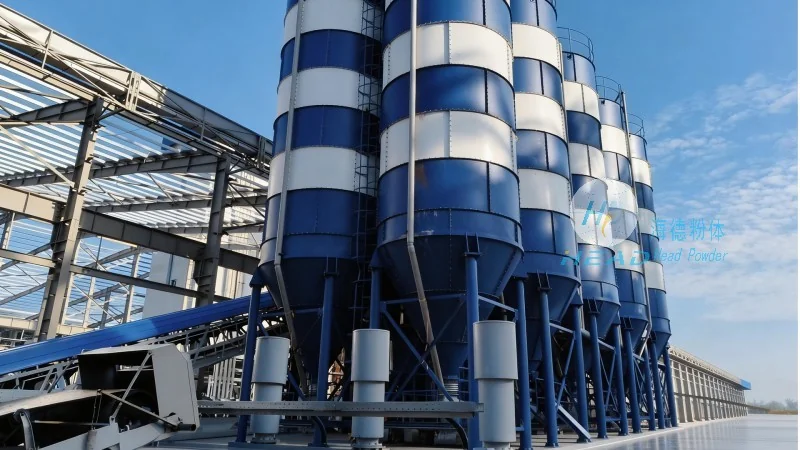
- Renewable Energy Plants: In biomass power generation facilities, these systems efficiently transport pellets from storage silos to boilers, ensuring a steady fuel supply and optimizing combustion efficiency.
- Agricultural Processing: For agricultural cooperatives and processing plants, pneumatic conveying systems streamline the handling of biomass pellets from raw material storage to pelletizing machines, reducing labor costs and improving production throughput.
- Industrial Manufacturing: In industries that utilize biomass as a raw material for manufacturing, such as bioplastics or chemical production, these systems ensure reliable material transport, enhancing overall production line efficiency.
The operational benefits of biomass pellet pneumatic conveying systems include:
- Reduced Labor Costs: Automated material handling minimizes the need for manual labor, lowering operational expenses and improving workplace safety.
- Improved Material Quality: Non-contact conveying prevents material degradation, ensuring consistent quality of the biomass pellets, which is crucial for downstream processes.
- Enhanced System Flexibility: Pneumatic systems can be easily reconfigured or expanded to accommodate changes in production volume or material types, providing long-term operational flexibility.
- Lower Maintenance Requirements: Compared to mechanical conveyors, pneumatic systems have fewer moving parts and require less maintenance, reducing downtime and maintenance costs.
Conclusion and Company Overview
HeadPowder Engineering Co., Ltd., based in Shandong, China, is a trusted provider of biomass pellet pneumatic conveying systems. With a focus on innovation and customer-centric solutions, HeadPowder delivers high-quality, customized systems that meet the unique needs of each client. By leveraging advanced technology and engineering expertise, HeadPowder ensures that its clients achieve optimal operational performance, energy efficiency, and cost savings in their biomass processing operations. For industries seeking reliable and efficient biomass pellet handling solutions, HeadPowder's pneumatic conveying systems represent a superior choice for modern production environments.