

Role of Pneumatic Conveying in Sodium Hypochlorite Transport
When it comes to the safe and efficient transport of sodium hypochlorite, especially in industrial and chemical processing applications, the choice of conveying method plays a critical role. Pneumatic conveying, a technology that uses air or other gas streams to move bulk materials, has emerged as a preferred solution for handling sodium hypochlorite due to its advantages in safety, cost-effectiveness, and operational flexibility. This article explores the key aspects of pneumatic conveying in the context of sodium hypochlorite transport, highlighting its benefits and practical considerations.
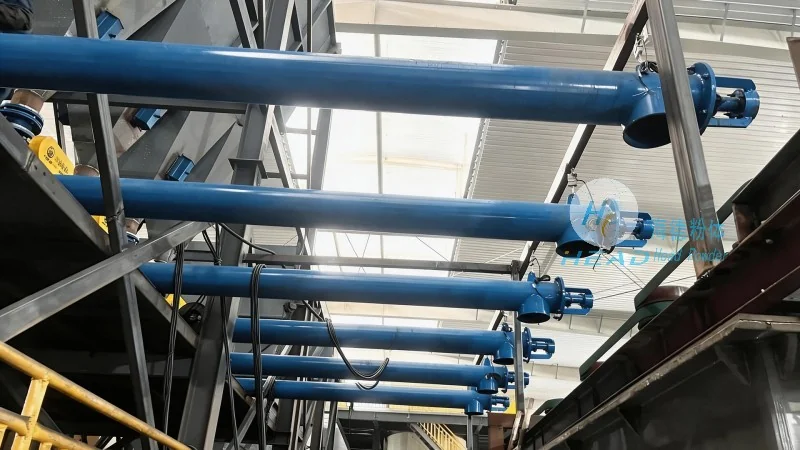
Understanding Sodium Hypochlorite and Its Handling Requirements
Sodium hypochlorite is a widely used chemical in water treatment, disinfection, and various industrial processes. It is typically stored as a liquid solution and requires careful handling due to its corrosive nature and potential for chemical reactions. The material's properties, such as its reactivity and the need to prevent contamination, make conventional conveying methods like bulk bags or trucks less suitable. Pneumatic conveying offers a solution by allowing for enclosed, controlled transport, minimizing exposure to the environment and reducing the risk of spills or leaks.
Key Advantages of Pneumatic Conveying for Sodium Hypochlorite
One of the primary benefits of pneumatic conveying in sodium hypochlorite transport is enhanced safety. By keeping the material enclosed within a pipeline system, the risk of exposure to personnel and the environment is significantly reduced. This is particularly important for a chemical that can be hazardous if mishandled. Additionally, pneumatic systems can be designed with explosion-proof features and other safety controls, further mitigating risks associated with the material's properties.
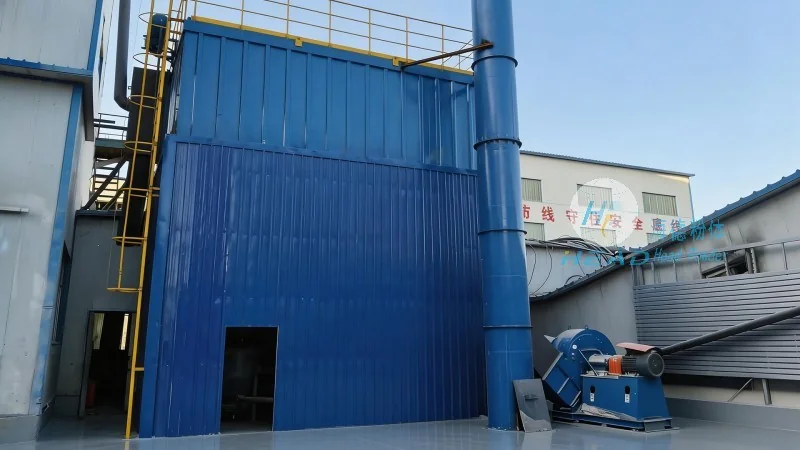
Another significant advantage is the cost-effectiveness of pneumatic conveying. Compared to traditional methods like truck transport or bulk handling equipment, pneumatic systems can reduce labor costs and operational expenses over time. The ability to handle large volumes efficiently and with minimal downtime also contributes to overall cost savings. Furthermore, the flexibility of pneumatic conveying allows for easy integration into existing production lines, reducing the need for major infrastructure changes.
Technical Considerations for Pneumatic Conveying Systems
Implementing a pneumatic conveying system for sodium hypochlorite involves several technical considerations. The system design must account for the material's physical properties, such as its density, viscosity, and flow characteristics. For sodium hypochlorite, which is a liquid, the system typically uses a slurry or liquid-phase conveying method, where the material is mixed with a carrier fluid to facilitate transport. This approach ensures consistent flow and prevents clogging in the pipeline.
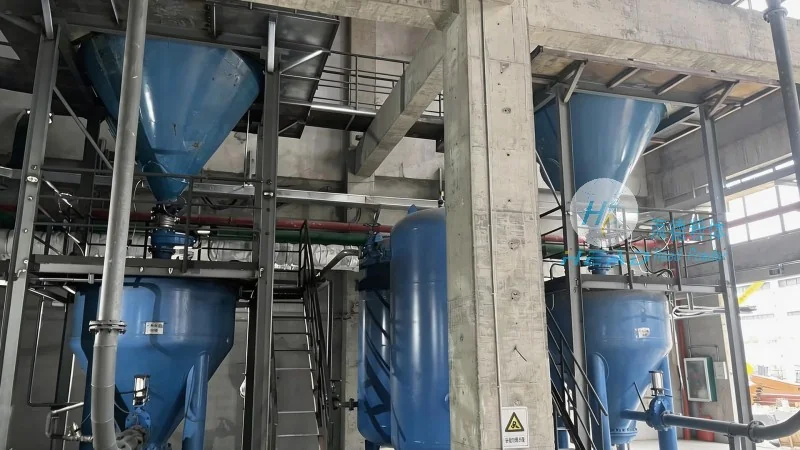
System components, including pumps, valves, and filters, must be selected to withstand the corrosive nature of sodium hypochlorite. Materials like stainless steel are commonly used for construction to prevent degradation and maintain product purity. The design also considers the pressure and flow rates required to move the material efficiently, ensuring that the system operates within safe and optimal parameters.
Applications and Case Studies
Pneumatic conveying for sodium hypochlorite is used in various applications across different industries. In water treatment facilities, it enables the delivery of sodium hypochlorite to treatment plants from storage tanks or production sites. In industrial manufacturing, it supports the supply of the chemical to production lines for disinfection or cleaning processes. Case studies from companies like Shandong HeadPowder Engineering Co., Ltd. have demonstrated successful implementations of pneumatic conveying systems, achieving improved efficiency and safety in sodium hypochlorite handling.
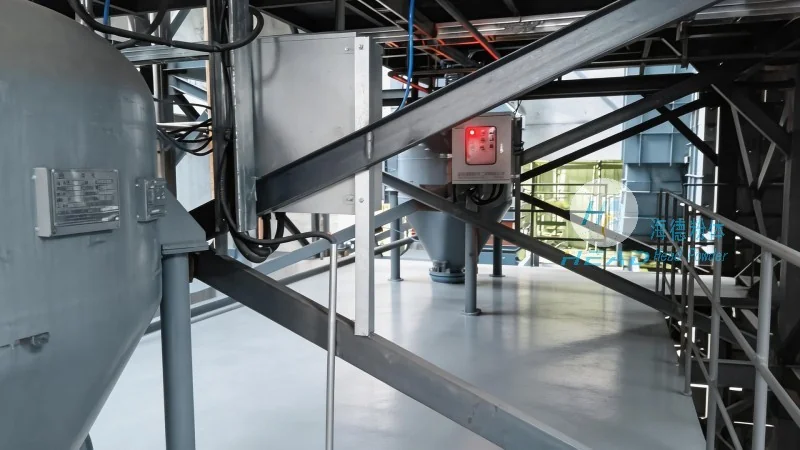
These implementations highlight the adaptability of pneumatic conveying systems to different operational needs. By customizing the system design to match specific production requirements, companies can optimize their sodium hypochlorite transport processes, reducing downtime and enhancing overall operational performance.
Conclusion and Future Outlook
In conclusion, pneumatic conveying plays a vital role in the efficient and safe transport of sodium hypochlorite. The technology offers significant advantages in terms of safety, cost-effectiveness, and operational flexibility, making it an ideal solution for modern industrial applications. As companies continue to prioritize safety and efficiency in their operations, the adoption of advanced pneumatic conveying systems for sodium hypochlorite transport is likely to increase. For businesses seeking reliable solutions, companies like Shandong HeadPowder Engineering Co., Ltd. provide expertise and customized systems to meet their specific needs in sodium hypochlorite handling and transport.