

Types and Characteristics of Cement Fly Ash and Mineral Powder Pneumatic Conveying Systems
HeadPowder, a leading enterprise in the field of material handling technology, specializes in the design, manufacturing, and implementation of advanced pneumatic conveying systems for industrial applications. With a strong focus on efficiency and reliability, the company has established itself as a trusted partner for businesses requiring precise and effective transport solutions for cement fly ash and mineral powders. This article explores the various types of pneumatic conveying systems, their key characteristics, and the diverse application ranges where these systems excel.
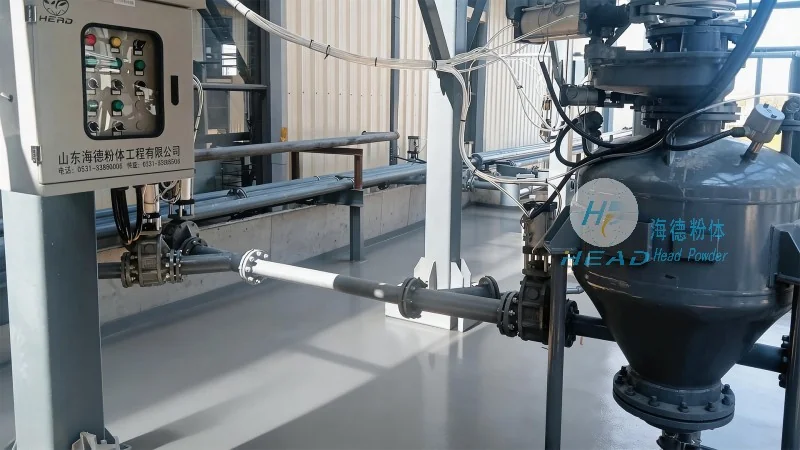
Pneumatic Conveying Systems: An Overview
Pneumatic conveying systems are mechanical devices that use pressurized air or vacuum to transport bulk materials, such as cement fly ash and mineral powders, from one location to another. These systems are widely used in industries like cement production, mining, and chemical processing due to their ability to handle fine powders with minimal dust generation and high operational efficiency. The primary goal of these systems is to ensure safe, clean, and efficient material transport, reducing the risk of product contamination and operational downtime.
Types of Pneumatic Conveying Systems for Cement Fly Ash and Mineral Powders
There are several types of pneumatic conveying systems tailored to the specific needs of transporting cement fly ash and mineral powders. The most common types include:
1. Dilute Phase Pneumatic Conveying
Dilute phase systems operate by transporting materials in a low concentration of powder to air ratio. This method is ideal for long-distance transport and is suitable for materials with low to moderate moisture content. The system uses high-velocity air to move the powder through a pipeline, ensuring minimal pressure drop and efficient material transfer. Dilute phase systems are particularly effective for transporting cement fly ash over distances of several hundred meters to a few kilometers, making them a popular choice for large-scale industrial applications.
2. Dense Phase Pneumatic Conveying
Dense phase systems, also known as low-velocity or pressure-assisted systems, transport materials in a higher concentration of powder to air ratio. This approach is better suited for materials that are more abrasive or have higher moisture content, as it reduces the risk of material degradation and pipeline wear. Dense phase systems operate at lower air velocities, which helps maintain the integrity of the material and minimizes the formation of dust clouds. For cement fly ash and mineral powders, dense phase systems are often preferred when transporting materials over shorter distances or when handling materials that are prone to caking or agglomeration.
3. Vacuum Conveying Systems
Vacuum conveying systems use a vacuum to draw materials from a source and transport them to a destination. This method is particularly useful for applications where the material needs to be collected from multiple points or from elevated locations. Vacuum systems are gentle on the material, making them suitable for handling sensitive or delicate powders like cement fly ash. They are also effective in environments where dust control is critical, as the system operates under negative pressure, preventing dust from escaping into the air. Vacuum conveying is commonly used in industries where the material is sourced from silos, hoppers, or other storage vessels.
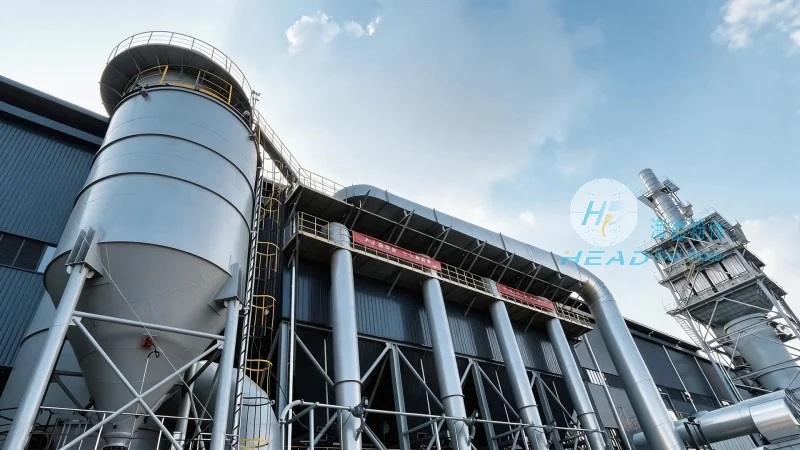
4. Hybrid Pneumatic Conveying Systems
Hybrid systems combine elements of both dilute and dense phase technologies to provide a versatile solution for transporting cement fly ash and mineral powders. These systems can switch between different modes of operation based on the material characteristics and transport requirements. For example, a hybrid system might use a dilute phase for the initial transport and then transition to a dense phase for the final delivery, optimizing both efficiency and material integrity. Hybrid systems are ideal for complex applications where the material needs to be transported over varying distances or through different pipeline configurations.
Key Characteristics of Pneumatic Conveying Systems
Regardless of the specific type, pneumatic conveying systems for cement fly ash and mineral powders share several key characteristics that contribute to their effectiveness and reliability:
1. High Efficiency and Low Maintenance
Pneumatic conveying systems are designed to operate with minimal maintenance requirements, reducing operational costs and downtime. The use of high-quality materials and robust components ensures that the system can handle the abrasive nature of cement fly ash and mineral powders without frequent repairs. Additionally, the systems are engineered for high efficiency, with optimized air flow and pressure management to minimize energy consumption while maximizing material throughput.
2. Dust Control and Environmental Safety
One of the most significant advantages of pneumatic conveying systems is their ability to control dust generation. By operating under pressure or vacuum, these systems prevent dust from escaping into the environment, reducing the risk of inhalation hazards and environmental contamination. This is particularly important for cement fly ash, which can be a source of fine particles that may affect air quality. The enclosed nature of the system also helps maintain the purity of the material, ensuring that it remains free from contaminants during transport.
3. Flexibility and Scalability
Pneumatic conveying systems are highly flexible and can be easily adapted to meet the changing needs of industrial operations. They can be configured to handle different material types, flow rates, and distances, making them suitable for a wide range of applications. The systems can also be scaled up or down to accommodate varying production volumes, allowing businesses to expand their operations without significant investments in new equipment. This flexibility is crucial for industries that experience fluctuations in demand or need to integrate new processes into existing facilities.
4. Safety and Reliability
Reliability is a top priority in pneumatic conveying systems, as any downtime can result in significant production losses. The systems are designed with redundant components and safety features to ensure continuous operation. For example, pressure relief valves and vacuum sensors are included to prevent over-pressurization or vacuum failure, which could lead to system damage or material spillage. Additionally, the use of sealed pipelines and proper sealing techniques minimizes the risk of material leakage, enhancing overall safety in the workplace.
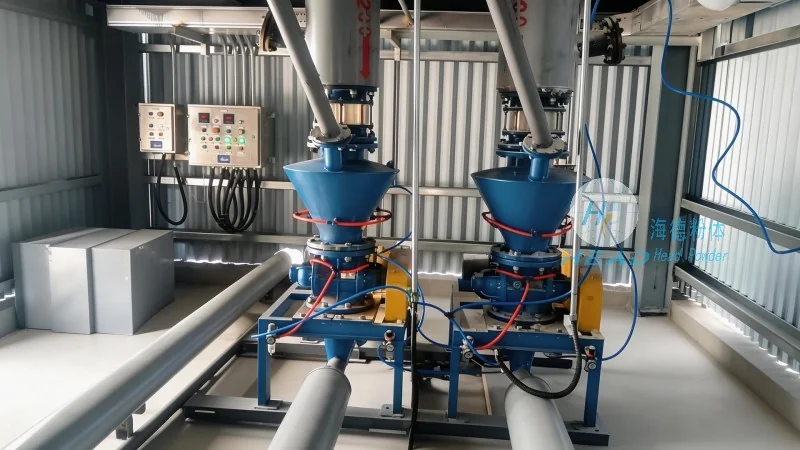
Application Ranges of Pneumatic Conveying Systems for Cement Fly Ash and Mineral Powders
Pneumatic conveying systems for cement fly ash and mineral powders are used in a variety of industrial applications, each tailored to the specific requirements of the process. The following are some of the most common application ranges where these systems excel:
1. Cement Production and Processing
In the cement industry, pneumatic conveying systems are essential for transporting raw materials, such as fly ash and mineral powders, from storage silos to the production line. These systems ensure that the materials are delivered to the cement kilns in a controlled and consistent manner, which is critical for maintaining the quality of the final product. The systems are also used to transport finished cement products from the production facility to storage silos or shipping containers, ensuring efficient and safe handling throughout the entire process.
2. Mining and Mineral Processing
Mineral processing facilities rely on pneumatic conveying systems to transport raw minerals and processed powders between different stages of the production process. For example, in the processing of iron ore, fly ash and mineral powders are often used as additives to improve the quality of the final product. Pneumatic systems are used to transport these additives from storage areas to the mixing and grinding equipment, ensuring precise control over the material flow and composition. This helps optimize the processing efficiency and reduce waste in the mining industry.
3. Chemical and Pharmaceutical Industries
The chemical and pharmaceutical industries use pneumatic conveying systems to transport fine powders, including cement fly ash and mineral powders, which are often used as raw materials or additives in various products. These systems are designed to meet strict hygiene standards, with stainless steel components and sealed pipelines to prevent contamination. Vacuum conveying systems are particularly popular in this industry, as they are gentle on the materials and help maintain the freshness and quality of the ingredients.
4. Food and Beverage Processing
In the food and beverage industry, pneumatic conveying systems are used to transport ingredients like mineral powders and fly ash, which are used as flavor enhancers or nutritional additives. The systems are designed to meet strict hygiene standards, with stainless steel components and sealed pipelines to prevent contamination. Vacuum conveying systems are particularly popular in this industry, as they are gentle on the materials and help maintain the freshness and quality of the ingredients.