

Types, Characteristics, and Applications of Pneumatic Conveying for Lithium-Ion Battery Positive and
HeadPowder, a leading enterprise in the field of material handling technology, specializes in the design, manufacturing, and application of pneumatic conveying systems tailored for lithium-ion battery electrode materials. With a focus on precision and efficiency, the company's solutions address the unique challenges of handling fine powders used in the production of positive and negative electrodes for lithium-ion batteries. This article explores the various types of pneumatic conveying systems, their key characteristics, and the specific applications within the battery manufacturing industry.
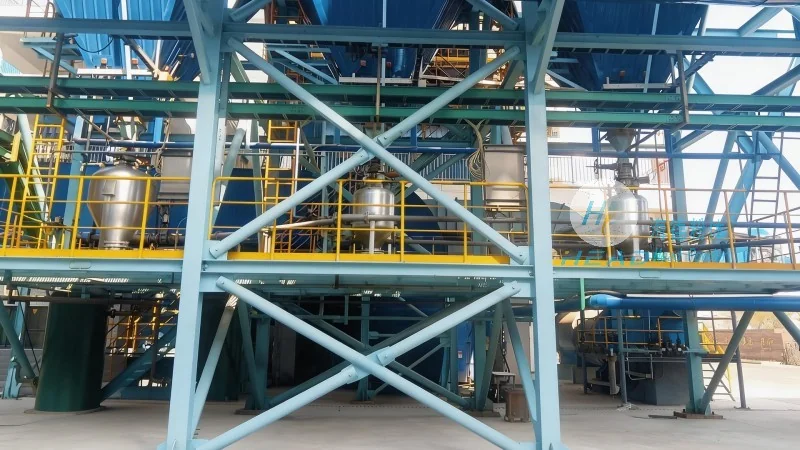
Pneumatic Conveying Systems for Lithium-Ion Battery Electrode Materials
At HeadPowder, we understand that the quality and consistency of lithium-ion battery performance are directly linked to the handling of electrode materials. Pneumatic conveying offers a non-contact, dust-free method to transport these materials, which is critical for maintaining product purity and preventing contamination. The primary types of pneumatic conveying systems used in this industry include:
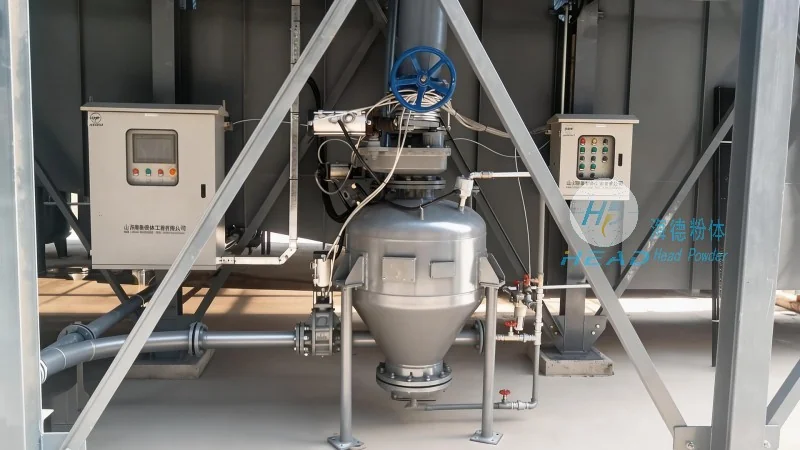
- Solids-Only Pneumatic Conveying: This system uses air to transport dry powders without any liquid. It is ideal for materials that are sensitive to moisture or require a clean environment. The system typically operates at low to moderate air velocities, ensuring gentle handling of the powder.
- Two-Phase Pneumatic Conveying: Combining air and a small amount of liquid, this method is suitable for materials that are difficult to convey using air alone. The liquid helps to lubricate the particles, reducing friction and improving flow. This is particularly useful for handling cohesive or sticky powders commonly found in battery electrode production.
- Pressure Conveying: In this system, the material is conveyed under pressure, typically using a positive displacement blower or compressor. The high pressure ensures a consistent flow rate and can handle longer distances or more complex layouts. Pressure conveying is often used for bulk material transport from storage silos to processing lines.
- Vacuum Conveying: Operating under negative pressure, this system draws material from a source and transports it to a destination. It is commonly used for short-distance or point-to-point transfers, such as moving materials from a hopper to a mixer or a drying unit. Vacuum conveying is gentle on the material and can handle a wide range of particle sizes.
Key Characteristics of Pneumatic Conveying for Battery Electrode Materials
When selecting a pneumatic conveying system for lithium-ion battery electrode materials, several key characteristics must be considered to ensure optimal performance and efficiency. These characteristics include:
- Low Particle Damage: The gentle handling of pneumatic systems minimizes particle breakage or agglomeration, which is crucial for maintaining the physical properties of the electrode materials. This ensures consistent battery performance and longevity.
- Dust Control and Environmental Safety: Pneumatic conveying is inherently dust-free, as the material is contained within the conveying line. This reduces the risk of airborne contamination and meets stringent environmental regulations. The system also helps to prevent dust explosions, which is a critical safety consideration in battery manufacturing facilities.
- Automation and Integration: Modern pneumatic conveying systems can be integrated with automated production lines, allowing for real-time monitoring and control. This enhances operational efficiency and reduces the need for manual intervention, which is essential for high-volume battery production.
- Energy Efficiency: Compared to traditional methods like belt conveyors or bucket elevators, pneumatic conveying can be more energy-efficient, especially for short to medium distances. The use of appropriate air velocities and system design minimizes energy consumption while maintaining material flow rates.
Applications of Pneumatic Conveying in Lithium-Ion Battery Manufacturing
HeadPowder's pneumatic conveying solutions are widely applied in various stages of lithium-ion battery electrode production. The specific applications include:
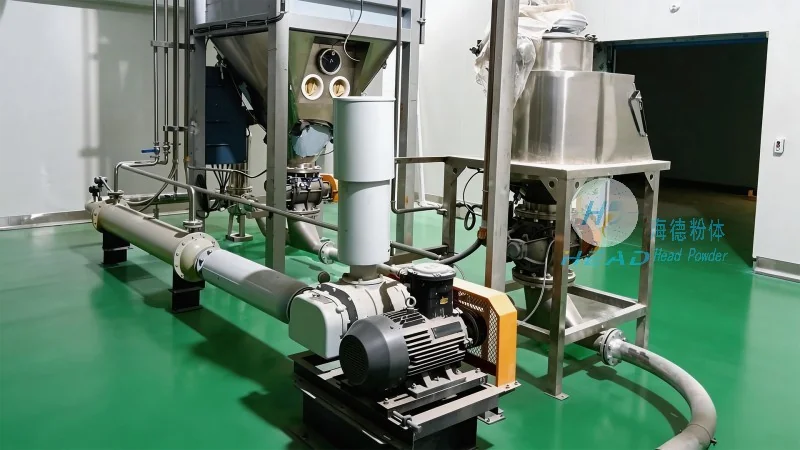
- Raw Material Handling: Transporting raw materials such as graphite, nickel, cobalt, and lithium compounds from storage silos to mixing and blending equipment. This ensures a consistent feed rate and prevents material segregation.
- Processing and Mixing: Conveying materials to high-shear mixers or ball mills for the production of electrode slurries. The gentle handling of pneumatic systems preserves the particle size distribution and prevents over-mixing.
- Drying and Conditioning: Moving dried electrode powders from drying ovens to storage hoppers or directly to coating lines. The system maintains the moisture content of the material, which is critical for achieving the desired battery performance.
- Coating and Forming: Delivering electrode slurries to coating machines and then to drying ovens or calenders. The precise control of material flow ensures uniform coating thickness and consistent electrode thickness.
- Quality Control and Sampling: Using pneumatic sampling systems to collect representative samples from production lines for quality testing. This helps to monitor product consistency and identify any deviations in material properties.
Conclusion
HeadPowder Engineering Co., Ltd., based in Shandong, China, provides comprehensive pneumatic conveying solutions tailored to the specific needs of lithium-ion battery manufacturers. By leveraging advanced technology and a deep understanding of material handling, the company ensures that electrode materials are transported efficiently, safely, and with minimal degradation. The various types of pneumatic conveying systems, combined with their key characteristics, make them an ideal choice for the demanding requirements of battery electrode production. As the demand for lithium-ion batteries continues to grow, the importance of reliable and efficient material handling systems like those offered by HeadPowder becomes increasingly critical for maintaining competitive advantage in the industry.