

Types and Practical Applications of Pneumatic Conveying Systems for Molybdenum Trioxide Transport
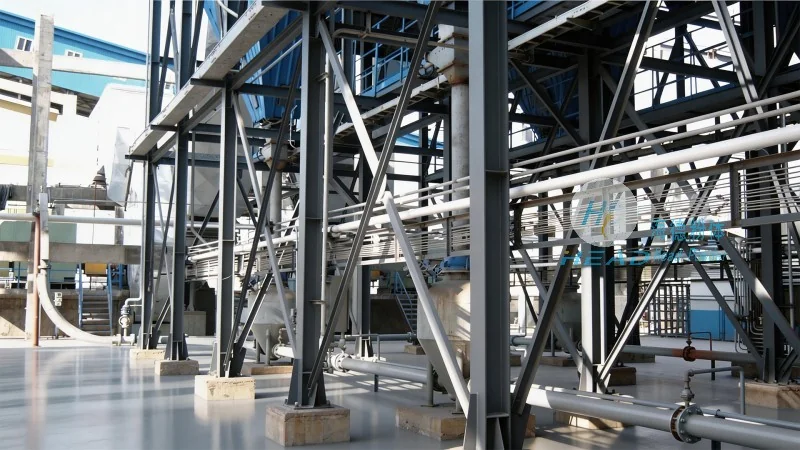
HeadPowder, a leading engineering company based in Shandong, China, specializes in the design and implementation of efficient pneumatic conveying systems tailored for the transport of molybdenum trioxide (MoO₃). This article explores the various types of pneumatic conveying systems commonly used in MoO₃ handling and their practical applications in industrial settings.
About HeadPowder Engineering Co., Ltd.
HeadPowder is a professional engineering firm headquartered in Shandong, China. With years of experience in material handling solutions, the company provides comprehensive services including system design, installation, and maintenance for pneumatic conveying systems. Our expertise ensures reliable and efficient transport of molybdenum trioxide, a critical component in various industrial applications.
Types of Pneumatic Conveying Systems for Molybdenum Trioxide
There are several types of pneumatic conveying systems suitable for molybdenum trioxide transport, each with distinct characteristics and applications. The primary categories include:
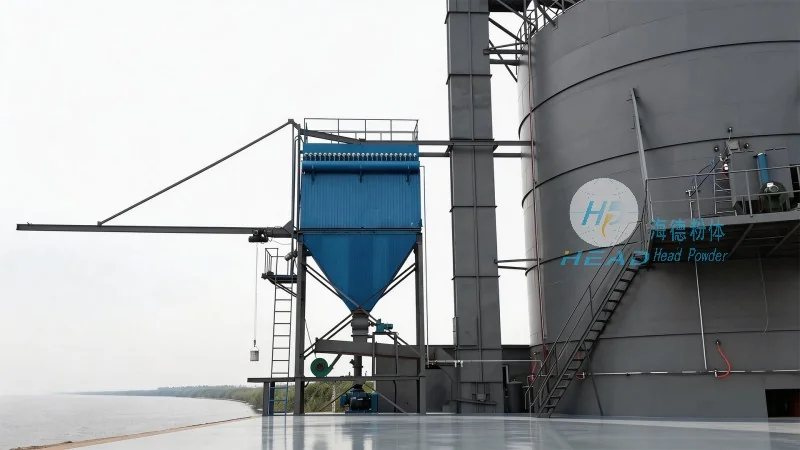
- Positive Pressure Systems: These systems use a blower or compressor to generate positive pressure within the conveying line, pushing the material forward. They are ideal for long-distance transport and can handle abrasive materials like MoO₃ effectively.
- Negative Pressure (Vacuum) Systems: In this configuration, a vacuum pump creates a negative pressure in the line, drawing the material from the source. This type is suitable for short to medium distances and is often used in applications where dust control is a priority.
- Combination (Bi-Directional) Systems: These systems can operate in both positive and negative pressure modes, offering flexibility in material transport. They are particularly useful in complex handling scenarios where the material may need to be transported in both directions.
Practical Applications of Pneumatic Conveying Systems in MoO₃ Handling
The practical application of pneumatic conveying systems for molybdenum trioxide varies across different industries. In the chemical and metallurgical sectors, these systems are crucial for transporting MoO₃ from storage silos to processing units, ensuring a continuous and dust-free operation. For example, in the production of molybdenum-based alloys, the efficient transport of MoO₃ is essential to maintain production efficiency and product quality.
In pharmaceutical and fine chemical industries, the use of pneumatic conveying systems helps in handling MoO₃ with high precision and minimal contamination. The systems are designed to meet stringent hygiene standards, making them suitable for applications where product purity is paramount. Additionally, in the mining and mineral processing industry, these systems are employed to transport MoO₃ from ore processing facilities to storage or further processing stages.
Advantages of Pneumatic Conveying Systems for Molybdenum Trioxide
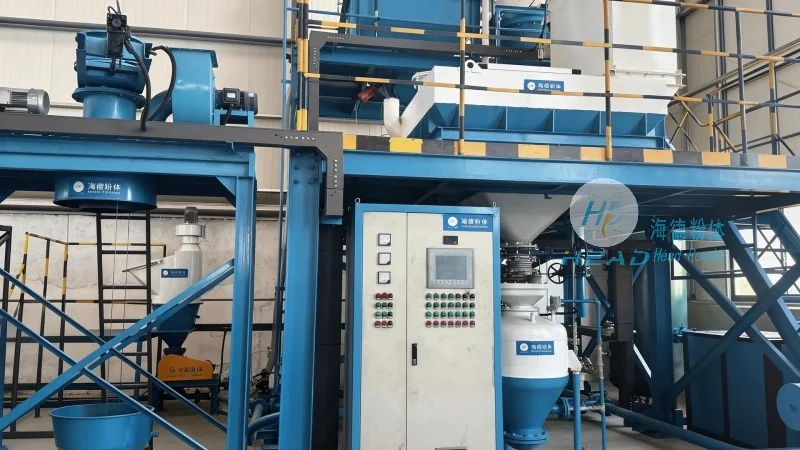
Implementing pneumatic conveying systems for molybdenum trioxide transport offers several advantages over traditional methods like belt conveyors or bucket elevators. These include:
- Reduced Downtime and Maintenance: Pneumatic systems have fewer moving parts compared to mechanical conveyors, leading to lower maintenance requirements and reduced downtime.
- Improved Safety and Environmental Control: The enclosed nature of pneumatic systems minimizes dust emissions, enhancing workplace safety and compliance with environmental regulations.
- Enhanced Material Handling Efficiency: These systems can handle a wide range of material properties, including fine powders like MoO₃, with high throughput and consistent performance.
Conclusion
HeadPowder Engineering Co., Ltd., based in Shandong, China, provides specialized pneumatic conveying solutions for the efficient transport of molybdenum trioxide. By understanding the different types of systems and their practical applications, industries can optimize their material handling processes, ensuring reliability, safety, and efficiency. Our expertise in designing and implementing these systems ensures that clients receive tailored solutions that meet their specific operational needs.