

Types and Practical Applications of Pneumatic Conveying Systems for Foundry Dust Transport
Foundry dust, a byproduct of metal casting processes, poses significant challenges in terms of handling and disposal. Efficient and reliable material transport systems are crucial for managing this dust, and pneumatic conveying systems have emerged as a preferred solution in the foundry industry. This article explores the various types of pneumatic conveying systems used for foundry dust transport and their practical applications, highlighting the technological advancements and operational benefits they offer.
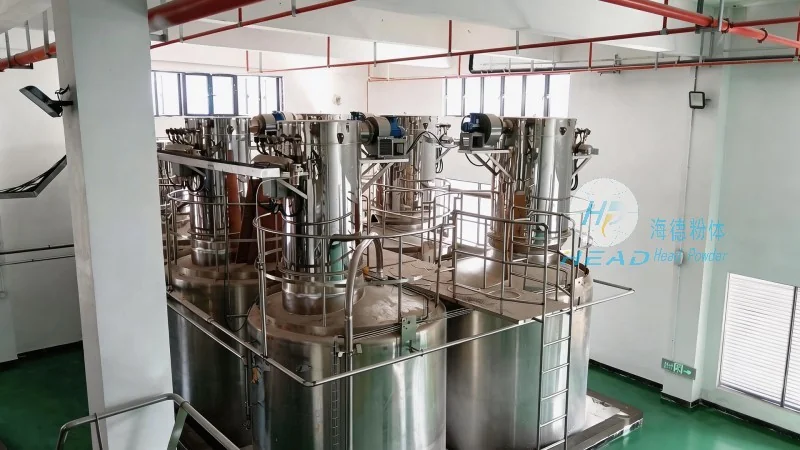
Overview of Pneumatic Conveying Systems for Foundry Dust
Pneumatic conveying systems utilize air or gas to transport bulk materials like foundry dust through a pipeline network. These systems are designed to handle the abrasive and often hazardous nature of foundry dust, ensuring safe and efficient material movement from source to destination. The choice of system type depends on factors such as material characteristics, distance, and environmental regulations, with each type offering distinct advantages and applications.
Types of Pneumatic Conveying Systems
There are primarily two main categories of pneumatic conveying systems: positive pressure and negative pressure systems. Each type operates on different principles and is suited for specific scenarios in foundry dust management.
Positive Pressure Pneumatic Conveying Systems
Positive pressure systems, also known as pressure or pressure-assisted systems, operate by blowing air or gas into the conveying line at a higher pressure than the ambient air. This method is particularly effective for transporting foundry dust over longer distances and through complex pipeline configurations. The system typically includes a blower or compressor at the inlet, which forces the material through the pipeline. Positive pressure systems are often preferred for applications requiring high throughput and the ability to handle abrasive materials without excessive wear on the equipment.
Negative Pressure Pneumatic Conveying Systems
Negative pressure systems, or vacuum systems, operate by creating a vacuum at the inlet and using suction to draw the material into the pipeline. This method is well-suited for short to medium-distance transport and for applications where the dust needs to be collected from multiple points. Negative pressure systems are generally more energy-efficient for shorter distances and can be more cost-effective for smaller-scale operations. However, they may be less suitable for handling highly abrasive or large particulate materials over long distances due to potential blockages and increased wear on the suction side components.
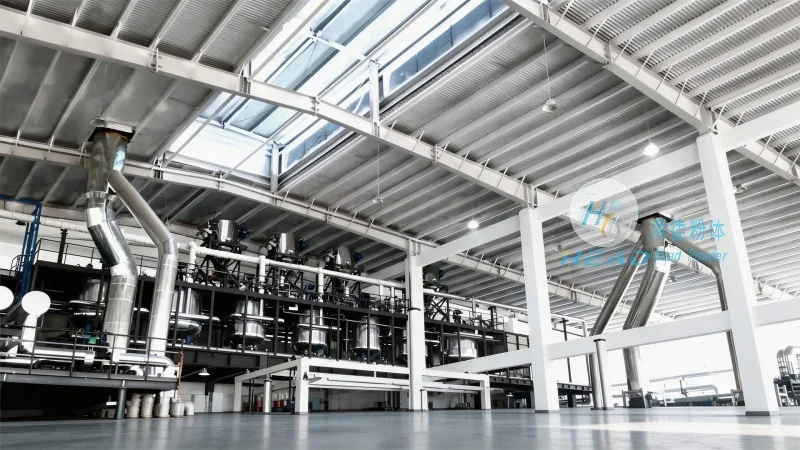
Other Specialized Pneumatic Conveying Systems
Beyond the primary positive and negative pressure systems, there are specialized configurations designed for specific foundry dust handling challenges. These include hybrid systems that combine elements of both positive and negative pressure, as well as pulse-jet and dense-phase systems. Hybrid systems offer flexibility in handling varying material properties and distances, while dense-phase systems are particularly effective for transporting fine, powdery materials like foundry dust at low velocities, minimizing particle degradation and system wear.
Practical Applications of Pneumatic Conveying Systems
The practical applications of pneumatic conveying systems in foundry dust management are diverse and critical to maintaining operational efficiency and environmental compliance. These systems are widely used in the following scenarios:
1. Dust Collection and Transfer from Casting Machines
Foundry dust is generated during the casting process, particularly from sand handling, mold making, and metal pouring operations. Pneumatic conveying systems are integrated with dust collection hoods and filters to capture the dust at the source and transport it to a central storage or treatment facility. This approach ensures that dust is contained and processed efficiently, reducing the risk of airborne contamination and improving workplace safety.
2. Material Recycling and Reuse
Many foundries implement recycling programs to reuse foundry dust in the production process. Pneumatic conveying systems play a key role in transporting the collected dust back to the casting or molding equipment, where it can be mixed with new raw materials. This not only reduces the need for new raw materials but also minimizes waste disposal costs. The systems must be designed to handle the recycled material without introducing contaminants or damaging the equipment.
3. Waste Disposal and Off-Site Transport
For foundries that cannot reuse all collected dust, pneumatic conveying systems are used to transport the material to off-site disposal or treatment facilities. This method is particularly advantageous for transporting large volumes of dust over long distances without the need for bulk carriers or manual handling, which can be hazardous and inefficient.
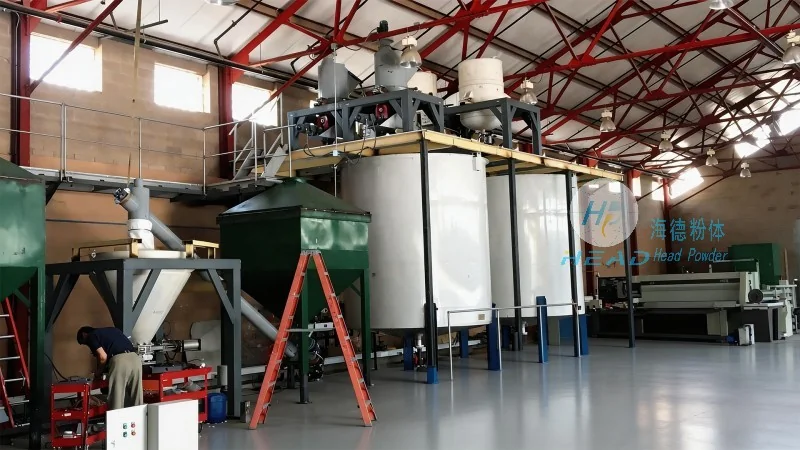
4. Environmental Compliance and Air Quality Control
With increasing environmental regulations, foundries must ensure that their dust emissions are minimized. Pneumatic conveying systems, when combined with effective dust collection and filtration, help foundries meet these compliance requirements. The systems enable the capture and transport of dust to treatment facilities, where it can be processed or disposed of in an environmentally responsible manner, reducing the impact on local air quality.
Key Considerations for Selecting a Pneumatic Conveying System
When selecting a pneumatic conveying system for foundry dust transport, several factors must be considered to ensure optimal performance and longevity. These include the characteristics of the foundry dust (such as particle size, moisture content, and abrasiveness), the distance and layout of the transport route, the required throughput, and the available space for equipment installation. Additionally, the system must be designed to withstand the corrosive and abrasive nature of foundry dust, with appropriate materials of construction and wear-resistant components.
Conclusion
Pneumatic conveying systems are indispensable in the efficient management of foundry dust, offering reliable, safe, and environmentally friendly solutions for material transport. By understanding the different system types and their practical applications, foundries can select the most suitable technology to meet their specific operational needs. As technology continues to advance, these systems will likely become even more efficient and versatile, further enhancing the sustainability and productivity of foundry operations.
Shandong HeadPowder Engineering Co., Ltd., a leading provider of engineering solutions for material handling and dust management, specializes in designing and manufacturing pneumatic conveying systems tailored to the unique requirements of foundry applications. With a focus on innovation and customer satisfaction, HeadPowder offers comprehensive solutions that enhance operational efficiency, reduce costs, and ensure compliance with environmental regulations. HeadPowder's expertise in pneumatic conveying technology ensures that foundries can achieve optimal performance and reliability in their dust transport processes.