

Types and Practical Applications of Pneumatic Conveying Systems in Pharmaceutical Material Handling
Efficient and hygienic material handling is a critical component of modern pharmaceutical manufacturing. Pneumatic conveying systems have emerged as a preferred solution for transporting powders and granules within pharmaceutical facilities, offering advantages such as contamination control, scalability, and operational flexibility. This article explores the various types of pneumatic conveying systems used in the pharmaceutical industry and their practical applications, highlighting the expertise of Shandong HeadPowder Engineering Co., Ltd., a leading provider of specialized material handling solutions based in China.
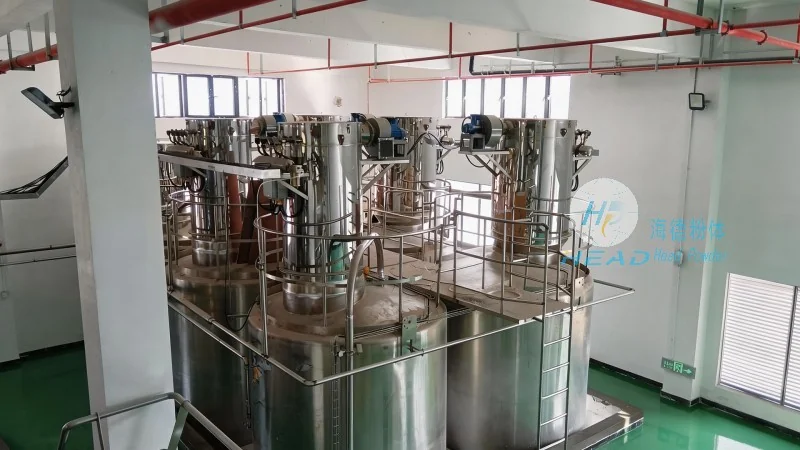
Introduction to Pneumatic Conveying in Pharmaceuticals
In the pharmaceutical sector, the handling of powders and bulk materials requires strict adherence to Good Manufacturing Practices (GMP) to ensure product safety and quality. Traditional methods like bucket elevators or belt conveyors may pose risks of cross-contamination or material degradation. Pneumatic conveying systems address these challenges by utilizing air pressure to transport materials in a closed, controlled environment. This approach minimizes exposure to external contaminants and maintains the integrity of sensitive pharmaceutical products. The choice of system type depends on factors such as material properties, process requirements, and facility layout, making it essential to select the right solution for specific applications.
Key Players: Shandong HeadPowder Engineering Co., Ltd.
HeadPowder, operating as Shandong HeadPowder Engineering Co., Ltd., is a reputable company specializing in the design, manufacturing, and implementation of pneumatic conveying systems tailored for the pharmaceutical industry. With a strong presence in China, the company leverages advanced engineering capabilities and a deep understanding of GMP standards to deliver customized solutions that meet the unique needs of pharmaceutical manufacturers. HeadPowder’s commitment to quality and innovation has established it as a trusted partner in the material handling sector, providing reliable systems that enhance operational efficiency and compliance.
Types of Pneumatic Conveying Systems
There are primarily two main categories of pneumatic conveying systems: positive pressure and negative pressure systems. Each type has distinct characteristics and is suited for different material handling scenarios in pharmaceutical settings.
Positive Pressure Pneumatic Conveying
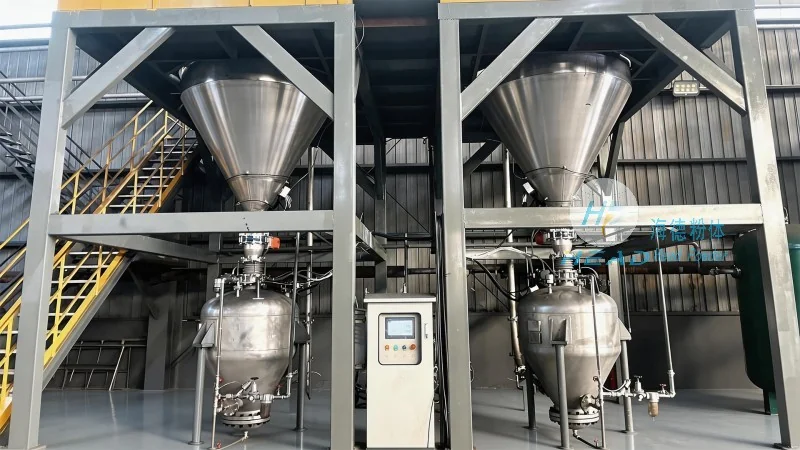
Positive pressure systems operate by blowing air into the conveying line, creating a pressure higher than the ambient environment. This method is ideal for transporting materials over long distances or through complex layouts. The system typically includes a blower, a hopper for material storage, and a discharge point. Positive pressure systems are commonly used for bulk material transport, such as raw materials or finished products, due to their ability to handle high volumes and maintain consistent flow rates. They are also effective in preventing dust emissions and ensuring airtight containment, which is crucial for maintaining a cleanroom environment.
Negative Pressure Pneumatic Conveying
Negative pressure systems, also known as vacuum systems, work by creating a vacuum in the conveying line, drawing material from a source into the system. This approach is well-suited for applications requiring gentle handling of delicate or sensitive materials, as the lower air velocities reduce the risk of particle breakage or degradation. Negative pressure systems are often used for short-distance transport or when materials need to be collected from multiple points. They are particularly effective in environments where dust control is a priority, as the system draws material into a sealed container, minimizing exposure to the air.

Mixing Pressure Pneumatic Conveying
Mixing pressure systems combine elements of both positive and negative pressure methods. They use a combination of pressure and vacuum to transport materials, offering flexibility in handling a wide range of materials with varying properties. This type of system is advantageous for applications that require both high-volume transport and precise control over material flow. Mixing pressure systems are often used in pharmaceutical manufacturing for processes involving blending or mixing of different powders, as they can maintain uniformity and prevent segregation of components.
Practical Applications in Pharmaceutical Manufacturing
Pneumatic conveying systems find extensive use across various stages of pharmaceutical production, from raw material intake to final product packaging. The following are key practical applications where these systems enhance operational efficiency and compliance:
Raw Material Handling and Storage
At the beginning of the manufacturing process, raw materials such as active pharmaceutical ingredients (APIs), excipients, and packaging materials are received and stored. Pneumatic conveying systems are used to transfer these materials from bulk containers or storage silos to processing equipment. This method ensures a seamless flow of materials while maintaining a controlled environment, reducing the risk of contamination and improving inventory management. For example, HeadPowder’s systems can be integrated with bulk storage tanks to deliver materials directly to production lines, minimizing manual handling and enhancing safety.
Intermediate Product Transfer
During the manufacturing process, intermediate products such as granules, tablets, or powders are often transferred between processing units. Pneumatic conveying systems facilitate the movement of these products without the need for manual handling or open containers. This not only improves efficiency but also maintains the integrity of the product, as the closed system prevents exposure to air or contaminants. The systems can be designed to handle different particle sizes and flow rates, ensuring consistent performance throughout the production cycle.
Finished Product Packaging
Once the final product is manufactured, it needs to be transferred to packaging lines for final labeling and distribution. Pneumatic conveying systems are used to transport finished products from production lines to packaging equipment, such as blister or bottle fillers. This method ensures a smooth transition from manufacturing to packaging, reducing downtime and improving overall throughput. The systems can be customized to handle different product types, including tablets, capsules, or powders, and can be integrated with automated packaging lines to enhance operational efficiency.
Waste and Spill Management
In pharmaceutical facilities, proper management of waste and spills is critical to maintaining a clean and safe environment. Pneumatic conveying systems can be used to collect and transport waste materials, such as rejected products or cleaning residues, to designated disposal areas. This approach minimizes the risk of cross-contamination and ensures that waste is handled in a controlled manner. The systems can be designed with features like dust collection and filtration, further enhancing environmental compliance and safety.
Advantages of Pneumatic Conveying Systems in Pharmaceuticals
Implementing pneumatic conveying systems in pharmaceutical manufacturing offers several key advantages that contribute to improved productivity and compliance. These benefits include:
Hygienic and Contamination Control
Pneumatic conveying systems operate in a closed environment, preventing the release of dust or particles into the air. This is essential in pharmaceutical facilities where product purity and sterility are paramount. The systems are typically constructed from materials that are easy to clean and maintain, such as stainless steel, ensuring that they meet GMP standards. By minimizing exposure to external contaminants, these systems help maintain the quality and safety of pharmaceutical products.
Efficiency and Scalability
Pneumatic conveying systems are highly efficient in terms of material transport, as they can handle large volumes of powders and granules with minimal labor. The systems can be scaled to meet the needs of different production capacities, from small-scale batch production to large-scale continuous manufacturing. This flexibility allows pharmaceutical manufacturers to adapt their material handling processes as their production volumes change, ensuring optimal performance at all times.
Reduced Downtime and Maintenance
By eliminating the need for manual material handling and open conveyors, pneumatic conveying systems reduce the risk of equipment breakdowns and downtime. The closed system design minimizes the accumulation of dust and debris, which can lead to maintenance issues. Additionally, the systems are designed for easy cleaning and maintenance, with features such as quick-disconnect components and accessible parts. This reduces the time and effort required for routine maintenance, ensuring that the systems remain operational and efficient.
Customization and Integration
HeadPowder specializes in providing customized pneumatic conveying solutions tailored to the specific needs of pharmaceutical manufacturers. The company works closely with clients to understand their process requirements and design systems that integrate seamlessly with existing equipment. Customization options include material handling capacity, system layout, and control systems, ensuring that the final solution meets all operational and regulatory requirements. This approach allows pharmaceutical facilities to optimize their material handling processes and achieve higher levels of efficiency and compliance.