

Desulfurization Sodium Bicarbonate Pneumatic Conveying and Automatic Feeding System
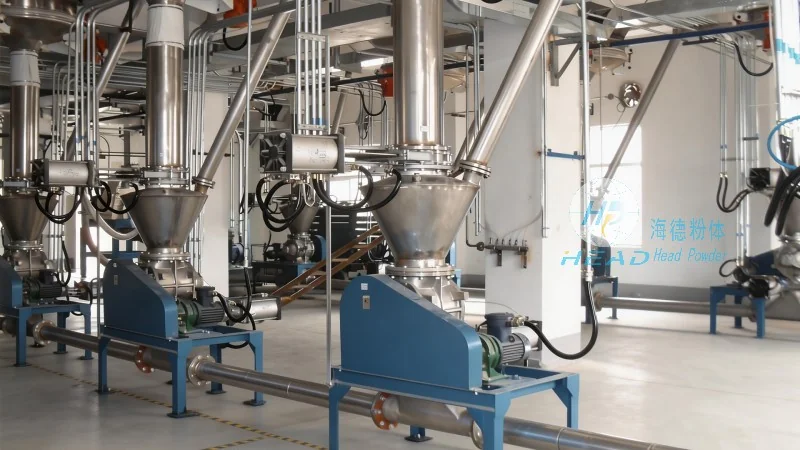
The Desulfurization Sodium Bicarbonate Pneumatic Conveying and Automatic Feeding System is a specialized industrial solution designed for the efficient handling and distribution of sodium bicarbonate used in flue gas desulfurization processes. This system integrates advanced pneumatic conveying technology with automated feeding mechanisms to ensure precise material control and optimal operational performance. By combining these elements, the system enhances safety, reduces labor costs, and improves overall production efficiency in chemical and environmental engineering applications.
Company Introduction
HeadPowder, the developer of this advanced system, is Shandong HeadPowder Engineering Co., Ltd., a leading manufacturer based in Shandong, China. With a strong focus on engineering innovation and industrial solutions, HeadPowder specializes in providing high-quality equipment for chemical processing and environmental protection. The company leverages decades of experience in material handling and automation to deliver reliable, efficient systems that meet the stringent demands of modern industrial operations.
Key Features of the Pneumatic Conveying System
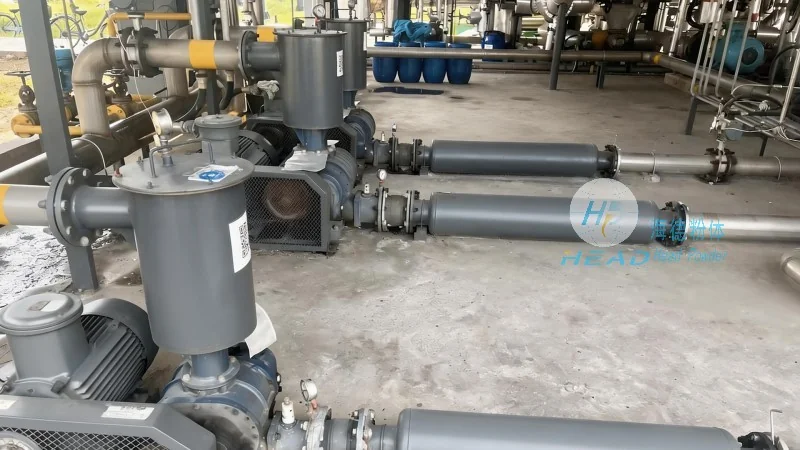
The pneumatic conveying component of the system utilizes air pressure to transport sodium bicarbonate from storage silos or bulk containers to the feeding points of desulfurization equipment. This method offers several advantages over traditional mechanical conveying, including reduced risk of material contamination, lower maintenance requirements, and the ability to handle fine powders without clogging. The system is equipped with adjustable air flow controls and pressure monitoring to maintain consistent material flow rates, ensuring that the desulfurization process receives the exact amount of sodium bicarbonate needed for optimal performance.
Automatic Feeding Mechanism
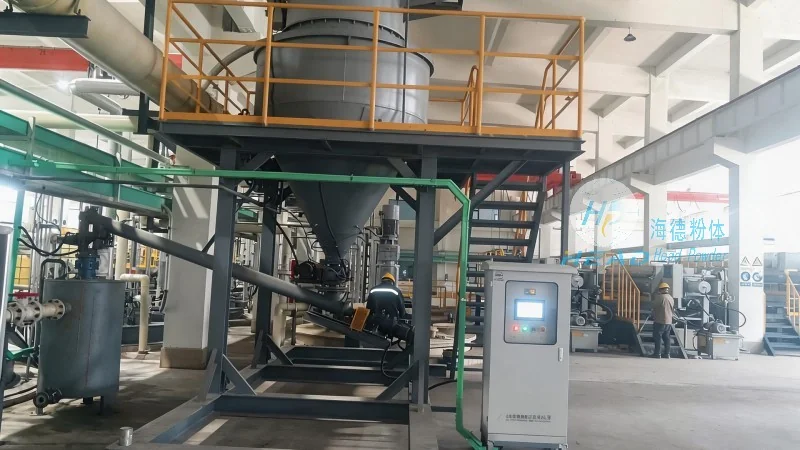
The automatic feeding system incorporates precision dosing equipment, such as rotary valves or screw feeders, which are synchronized with the pneumatic conveying process. These components are controlled by a programmable logic controller (PLC) or a dedicated automation system, allowing for real-time adjustments based on process parameters like gas flow rates or pH levels. The system can be configured to operate in continuous or batch modes, adapting to varying production schedules and demand fluctuations. Additionally, the feeding mechanism includes safety features like overload protection and material level sensors to prevent overfilling or underfilling, which could compromise the efficiency of the desulfurization process.
Benefits and Applications
Implementing this system provides numerous benefits for industrial facilities engaged in flue gas desulfurization. The automated control reduces human error, leading to more consistent and reliable material delivery. The pneumatic conveying method minimizes dust generation and improves workplace safety compared to manual handling or mechanical conveying. Furthermore, the system's ability to integrate with existing desulfurization equipment allows for seamless upgrades or retrofits, reducing downtime and capital expenditure. This technology is particularly valuable in power plants, chemical manufacturing facilities, and other industrial sites where precise control of sodium bicarbonate is critical for meeting environmental regulations and maintaining equipment longevity.
Technical Specifications and Customization
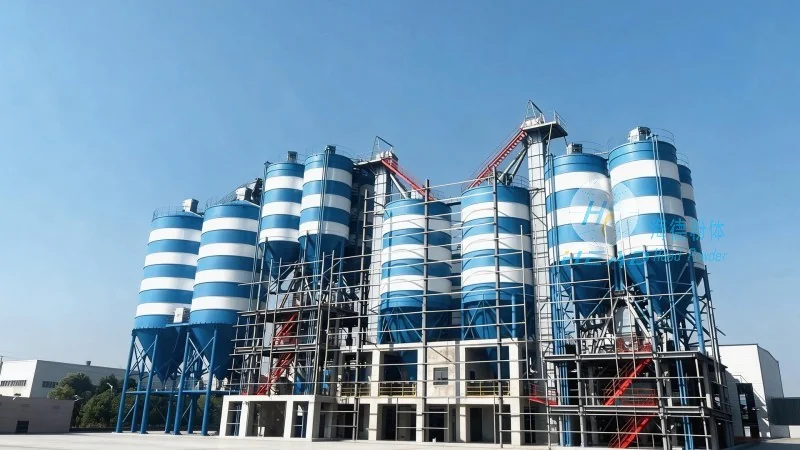
HeadPowder offers customizable solutions tailored to the specific requirements of each client. The pneumatic conveying system can be designed with different air pressure ranges, from low-pressure (around 0.5-1 bar) to high-pressure (up to 10 bar) configurations, depending on the distance and material characteristics. The feeding equipment can be adjusted to handle various particle sizes, from fine powders (diameter < 100 µm) to coarser granules, ensuring compatibility with different types of sodium bicarbonate. The automation system supports integration with existing process control networks, enabling data logging and remote monitoring for enhanced operational oversight. Additionally, the system is constructed with corrosion-resistant materials, such as stainless steel or coated components, to withstand the chemical environment of desulfurization processes and extend the equipment's service life.