

Introduction to Desulfurizer Delivery Systems: Advantages and Features of Desulfurizer Pneumatic Con
Desulfurizer delivery systems are critical components in industrial processes, particularly in power generation and chemical manufacturing, where the efficient transport of desulfurizer materials is essential for maintaining optimal performance and environmental compliance. This article provides an overview of such systems, focusing on the advantages and features of pneumatic conveying methods used for desulfurizer transport.
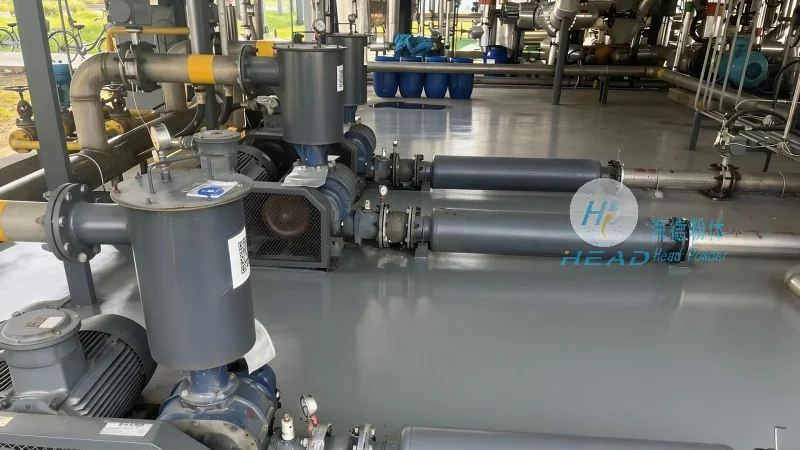
Company Profile: Shandong HeadPowder Engineering Co., Ltd.
HeadPowder, a leading provider in the field, specializes in engineering solutions for material handling and processing. With a strong commitment to innovation and quality, the company has established itself as a trusted partner for industries requiring reliable desulfurizer delivery systems. HeadPowder operates from Shandong, China, and offers comprehensive services including system design, manufacturing, and installation tailored to meet diverse client needs.
Understanding Desulfurizer Delivery Systems
Desulfurizer delivery systems are engineered to transport desulfurizer powders or slurries from storage silos or production units to application points, such as reactors or scrubbers, with precision and efficiency. These systems typically consist of components like hoppers, feeders, pneumatic conveying lines, and control units, all working in tandem to ensure smooth material flow. The design of these systems is tailored to the specific characteristics of the desulfurizer, including its particle size, moisture content, and flowability, to prevent issues like clogging or degradation during transport.
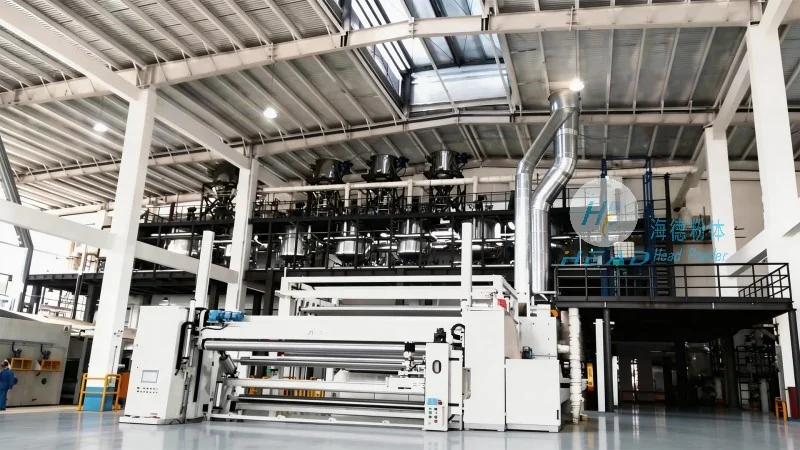
Pneumatic Conveying: The Preferred Method for Desulfurizer Transport
Pneumatic conveying stands out as a highly effective method for desulfurizer delivery due to its ability to handle fine powders and slurries with minimal loss and contamination. Unlike mechanical systems, which may struggle with the abrasive or corrosive nature of desulfurizer materials, pneumatic conveying uses air pressure to move the material through a pipeline, ensuring gentle handling and consistent flow rates. This method is particularly advantageous in environments where dust control and hygiene are paramount, as it minimizes the risk of material spillage and airborne particles.
Key Advantages of Pneumatic Desulfurizer Conveying
Several key advantages make pneumatic conveying the preferred choice for desulfurizer transport. Firstly, it offers high efficiency in material transfer, with the ability to handle large volumes of desulfurizer over long distances with minimal energy consumption. Secondly, the system provides excellent control over flow rates and pressure, allowing for precise dosing and regulation of the desulfurizer feed. Thirdly, pneumatic conveying systems are highly flexible, capable of adapting to changes in production schedules or process requirements without significant modifications. Additionally, these systems are relatively low in maintenance, reducing operational costs and downtime for industrial facilities.
Features and Technical Specifications
Modern desulfurizer delivery systems utilizing pneumatic conveying incorporate advanced features to enhance performance and reliability. These include automated control systems that monitor and adjust air pressure, flow rates, and material levels in real-time, ensuring optimal operation. The use of high-quality materials, such as stainless steel or corrosion-resistant alloys, in the construction of conveying lines and components further enhances durability and longevity. Moreover, many systems are equipped with dust collection and filtration units to comply with environmental regulations and maintain a clean working environment. The integration of sensors and monitoring tools allows for proactive maintenance, preventing potential failures and extending the lifespan of the equipment.
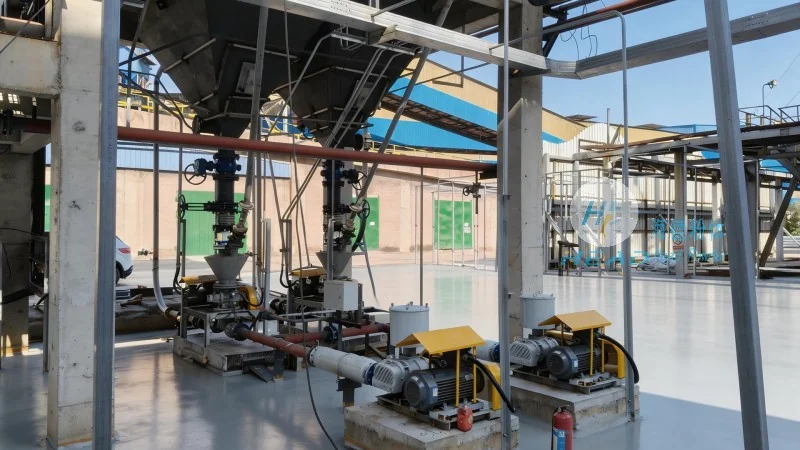
Applications and Industry Impact
Desulfurizer delivery systems, especially those employing pneumatic conveying, play a vital role in various industrial applications. In power plants, these systems are crucial for delivering limestone or other desulfurizer agents to flue gas desulfurization (FGD) units, helping to reduce sulfur dioxide emissions and meet environmental standards. In chemical manufacturing, they facilitate the transport of desulfurizer reagents to reactors, ensuring consistent reaction conditions and product quality. The efficiency and reliability of these systems directly impact the overall productivity and sustainability of industrial operations, making them indispensable in modern manufacturing processes.
Conclusion
In conclusion, desulfurizer delivery systems, particularly those utilizing pneumatic conveying, offer significant advantages in terms of efficiency, flexibility, and reliability. Companies like Shandong HeadPowder Engineering Co., Ltd. continue to innovate and provide tailored solutions that meet the evolving needs of industries. By leveraging advanced engineering and material handling technologies, these systems ensure the safe and effective transport of desulfurizer materials, contributing to improved operational performance and environmental compliance.