

Classification and Composition of Dry Manure Pneumatic Conveying Systems
Welcome to Shandong HeadPowder Engineering Co., Ltd., a leading manufacturer specializing in advanced dry manure pneumatic conveying systems. Based in Shandong, China, our company, commonly known as HeadPowder, provides innovative solutions for efficient and reliable manure handling in agricultural and livestock operations. This article explores the classification and essential components of such systems, highlighting their importance in modern farming practices.
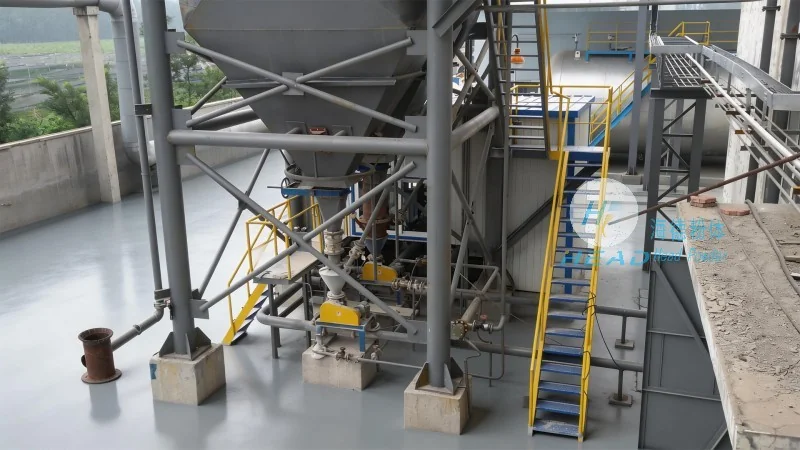
Introduction to Dry Manure Pneumatic Conveying Systems
Dry manure pneumatic conveying systems are critical for the efficient transport of manure from collection points to processing or storage facilities. These systems utilize air pressure or vacuum to move dry manure particles through a pipeline, eliminating the need for mechanical components like belts or buckets that may be prone to wear and maintenance issues. The technology offers significant advantages in terms of hygiene, speed, and energy efficiency, making it a preferred choice for large-scale agricultural operations.
Classification of Dry Manure Pneumatic Conveying Systems
HeadPowder classifies dry manure pneumatic conveying systems based on the conveying principle and application requirements. The primary categories include:
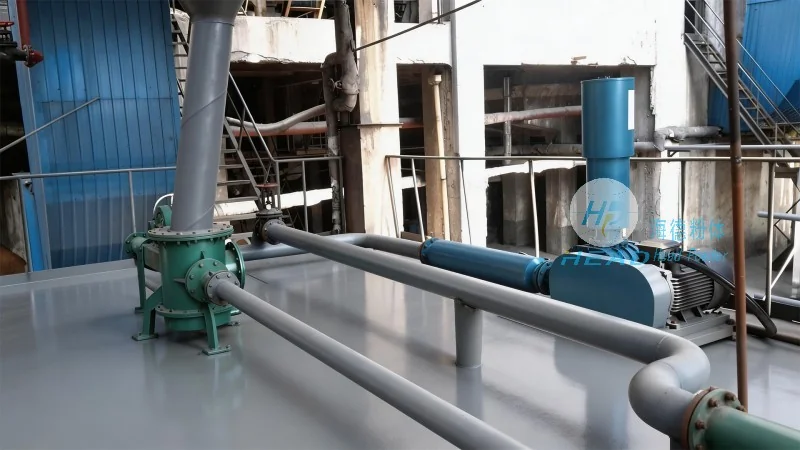
- Positive Pressure Systems: These systems use a blower or compressor to generate positive air pressure, pushing the manure through the pipeline. They are suitable for short to medium distances and can handle a wide range of manure types, including dry or semi-dry materials.
- Negative Pressure (Vacuum) Systems: In this type, a vacuum pump creates a negative pressure that draws the manure into the pipeline. This method is ideal for long-distance transport and can handle fine particles or dust, ensuring minimal spillage and contamination.
- Combined Systems: Some advanced systems integrate both positive and negative pressure components to optimize performance for complex layouts, such as multi-level or multi-directional conveying networks.
Each classification is designed to meet specific operational needs, from small-scale farm applications to large industrial livestock facilities. The choice of system depends on factors like the distance to be covered, the volume of manure to be transported, and the physical characteristics of the manure itself.
Key Components of a Dry Manure Pneumatic Conveying System
A dry manure pneumatic conveying system consists of several interrelated components that work together to ensure efficient operation. The main components include:
- Manure Feeder: This component is responsible for feeding the dry manure into the conveying line. It may include a hopper, a rotary valve, or a screw feeder to control the flow rate and ensure consistent material delivery.
- Conveying Pipeline: The pipeline is typically made of durable materials like stainless steel or PVC to withstand the abrasive nature of manure and prevent blockages. The design of the pipeline, including bends and fittings, is crucial for maintaining air flow and preventing pressure losses.
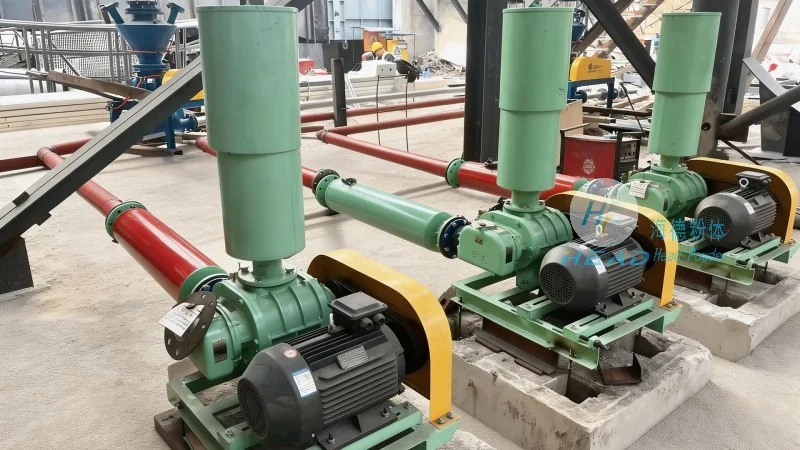
- Air Supply Unit: This unit provides the necessary air pressure or vacuum. For positive pressure systems, a blower or compressor generates the air, while for negative pressure systems, a vacuum pump is used. The air supply unit must be capable of handling the required air volume and pressure to ensure effective conveying.
- Control System: The control system monitors and regulates the operation of the entire system. It includes sensors to detect flow rates, pressure levels, and any blockages, as well as control valves to adjust the air supply and feeder speed. This ensures the system operates safely and efficiently, minimizing downtime and maintenance.
- Receiver or Discharge Unit: The receiver is where the manure is deposited after being conveyed. It may include a hopper or a storage tank, and is designed to handle the incoming material without causing spillage or contamination. Some systems also include a dust collection or filtration system to maintain air quality and comply with environmental regulations.
Each component plays a vital role in the overall performance of the system. Proper selection and integration of these components are essential to achieve optimal conveying efficiency, minimize energy consumption, and ensure long-term reliability. HeadPowder specializes in designing and manufacturing high-quality components that meet the specific needs of agricultural operations, ensuring that our systems deliver consistent performance and durability.
Benefits of Using Dry Manure Pneumatic Conveying Systems
Implementing a dry manure pneumatic conveying system offers numerous benefits for agricultural and livestock operations. These include:
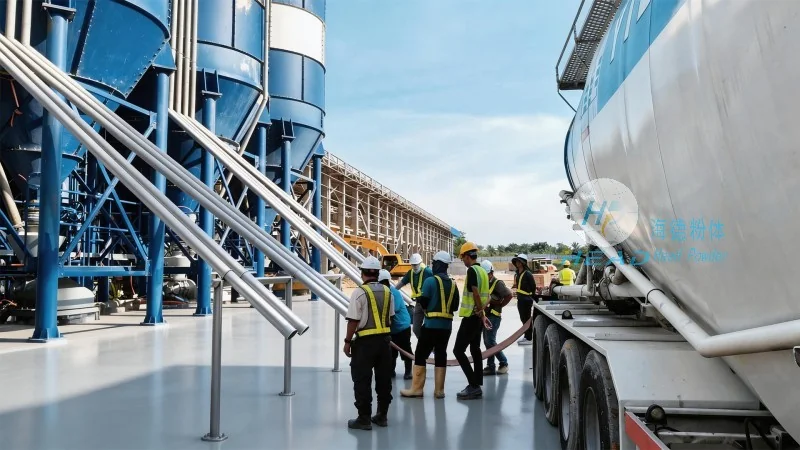
- Increased Efficiency: The systems allow for rapid and continuous transport of manure, reducing the time and labor required for manual handling. This improves overall farm productivity and reduces operational costs.
- Improved Hygiene: By eliminating direct contact with manure, the systems minimize the risk of contamination and disease transmission. The enclosed pipeline design also prevents odors and dust from spreading, creating a cleaner working environment.
- Reduced Labor Costs: Automated feeding and conveying processes reduce the need for manual labor, freeing up resources for other tasks and improving worker safety.
- Energy Efficiency: Modern pneumatic conveying systems are designed to be energy-efficient, using less power than traditional mechanical systems. This results in lower operational costs and a smaller environmental footprint.
- Scalability: The systems can be easily scaled to accommodate growing farm operations, allowing for future expansion without significant modifications to the existing infrastructure.
These benefits make dry manure pneumatic conveying systems an attractive investment for farmers and livestock producers looking to enhance their operational efficiency and sustainability. By choosing a high-quality system from HeadPowder, businesses can achieve reliable and cost-effective manure handling solutions that meet their specific needs.
Conclusion
Dry manure pneumatic conveying systems represent a significant advancement in agricultural technology, offering efficient, hygienic, and sustainable solutions for manure transport. With proper classification and component selection, these systems can be tailored to meet the diverse needs of modern farming operations. Shandong HeadPowder Engineering Co., Ltd. is committed to providing innovative and reliable systems that enhance the productivity and sustainability of agricultural practices. Our expertise in designing and manufacturing high-quality pneumatic conveying systems ensures that our customers receive solutions that are tailored to their specific requirements, delivering long-term value and performance.