

Powdered Electrolyte Pneumatic Conveying: How to Efficiently Transport Powdered Materials with Air F
Pneumatic conveying systems have become a cornerstone in industrial material handling, particularly for transporting powdered substances like electrolytes. The process involves using air or gas to move bulk materials through a pipeline system, offering a flexible and efficient alternative to traditional methods such as belt conveyors or bucket elevators. For industries dealing with fine powders, especially those used in battery manufacturing, chemical processing, or food production, the ability to transport these materials without direct contact with equipment surfaces is crucial for maintaining product integrity and reducing contamination risks.
Understanding Pneumatic Conveying for Electrolyte Powders
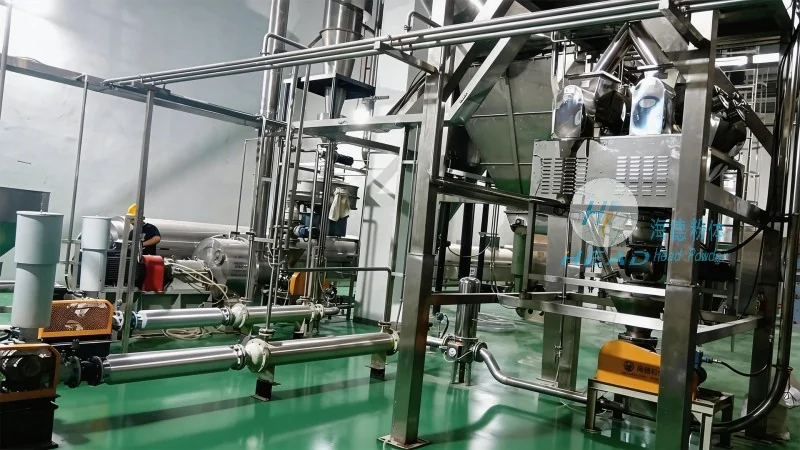
Electrolyte powders, often used in lithium-ion batteries, require precise handling to ensure uniform composition and prevent agglomeration or degradation. Pneumatic conveying systems are designed to address these challenges by utilizing controlled air flow to move the powder through a sealed system. The technology typically involves a combination of positive and negative pressure systems, allowing for both pressure and vacuum conveying. This dual capability enables the transport of materials over long distances, through complex layouts, and even vertically, making it ideal for large-scale production facilities.
Key Components of a Pneumatic Conveying System for Electrolytes
At the heart of any effective pneumatic conveying system for electrolyte powders are several critical components. These include the hopper or feeder, which holds the material and regulates its flow into the system; the conveyor line, which can be made of stainless steel or other corrosion-resistant materials to handle acidic or alkaline electrolytes; the air compressor or vacuum pump, which provides the necessary pressure or suction; and the control system, which monitors and adjusts the air flow and material feed to maintain optimal performance. Each component must be carefully selected and integrated to ensure the system operates efficiently and safely, minimizing downtime and maintenance costs.
Advantages of Using Pneumatic Conveying for Electrolyte Powders
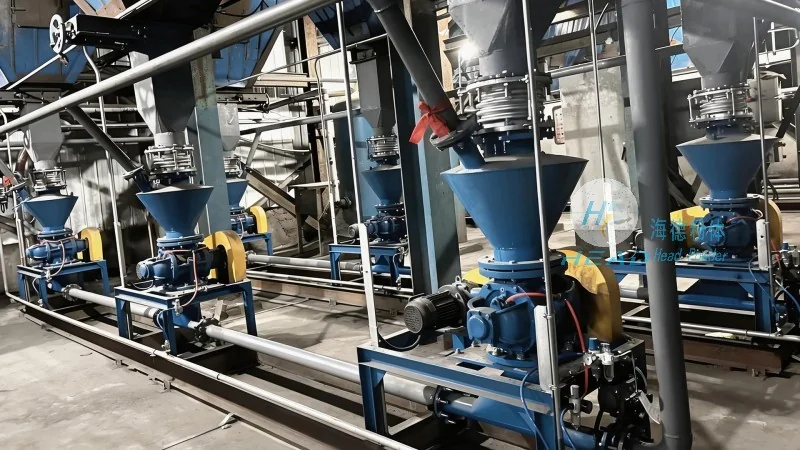
Compared to other material handling methods, pneumatic conveying offers several advantages for transporting electrolyte powders. One of the most significant benefits is the ability to maintain a closed system, which prevents dust emissions and protects both the material and the environment. This is particularly important for electrolytes, which can be hazardous if released into the air. Additionally, pneumatic systems allow for precise control over the flow rate and pressure, ensuring consistent product quality and preventing overloading or underloading of equipment. The flexibility of pneumatic conveying also allows for easy integration with other production processes, such as mixing or packaging, without the need for additional equipment or modifications.
Applications in Battery Manufacturing and Chemical Processing
Pneumatic conveying systems are widely used in the battery manufacturing industry, where electrolyte powders are a critical component. These systems are essential for transporting lithium salts, carbonates, and other raw materials to the production line, where they are mixed and processed into the final electrolyte solution. In chemical processing, pneumatic conveying is used to move various powders, including catalysts and reagents, through reactors and processing units. The ability to handle these materials in a controlled environment ensures that the chemical reactions proceed efficiently and safely, minimizing the risk of accidents or product contamination.
Case Study: Efficient Material Handling by Shandong HeadPowder Engineering Co., Ltd.
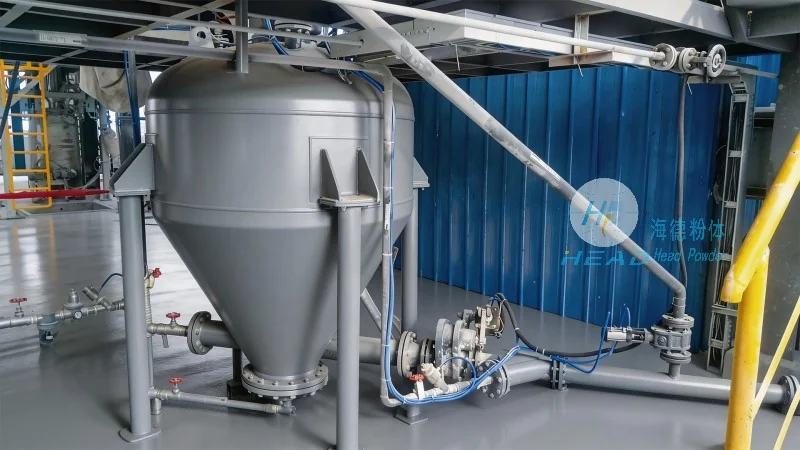
Shandong HeadPowder Engineering Co., Ltd., a leading provider of industrial material handling solutions, specializes in designing and manufacturing pneumatic conveying systems tailored to the needs of electrolyte powder applications. With years of experience in the industry, the company has developed advanced systems that incorporate the latest technology to enhance efficiency and reliability. For example, one of their projects involved supplying a pneumatic conveying system to a lithium battery manufacturer in China, where the system was designed to transport 10 tons of electrolyte powder per hour over a distance of 200 meters. The system was equipped with stainless steel components to resist corrosion from the acidic electrolytes and a sophisticated control system to maintain consistent flow rates. The result was a significant reduction in material handling time and an improvement in product quality, as the powder was transported without any agglomeration or degradation.
Addressing Challenges and Ensuring System Reliability
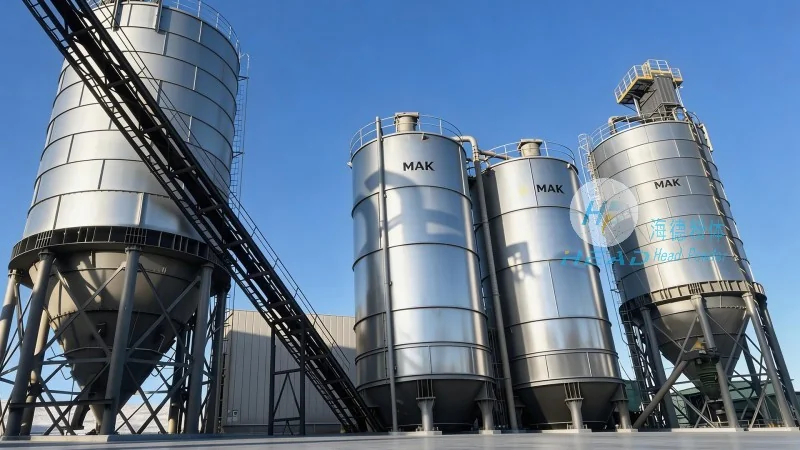
While pneumatic conveying offers many benefits, it also presents some challenges that must be addressed to ensure optimal performance. One of the main challenges is the potential for material buildup or blockages in the conveyor line, which can cause system downtime. To mitigate this risk, Shandong HeadPowder Engineering Co., Ltd. incorporates features such as self-cleaning filters and pressure relief valves into their systems. Another challenge is maintaining consistent air flow, which can be affected by changes in ambient temperature or pressure. The company’s systems are equipped with advanced sensors and controls that automatically adjust the air flow to maintain optimal performance, even under varying conditions.
Conclusion: The Future of Efficient Powder Handling with Pneumatic Conveying
As industries continue to demand higher efficiency and reliability in material handling, pneumatic conveying systems for electrolyte powders remain a critical technology. The ability to transport these materials safely, efficiently, and with minimal contamination makes pneumatic systems an ideal choice for modern production facilities. With companies like Shandong HeadPowder Engineering Co., Ltd. leading the way in developing advanced solutions, the future of powder handling looks promising. By investing in high-quality pneumatic conveying systems, manufacturers can improve their production processes, reduce costs, and ensure the quality of their products, ultimately gaining a competitive edge in the market.