

Desulfurization Sodium Bicarbonate Pneumatic Conveying: How to Efficiently Transport Bulk Powders wi
Desulfurization sodium bicarbonate, also known as sodium bicarbonate used in flue gas desulfurization processes, is a critical bulk powder material in industrial applications. The efficient handling and transportation of such powders are essential for maintaining operational efficiency and reducing costs in chemical and power generation industries. Pneumatic conveying technology has emerged as a highly effective solution for moving these fine and sometimes abrasive powders over long distances or within complex processing systems.
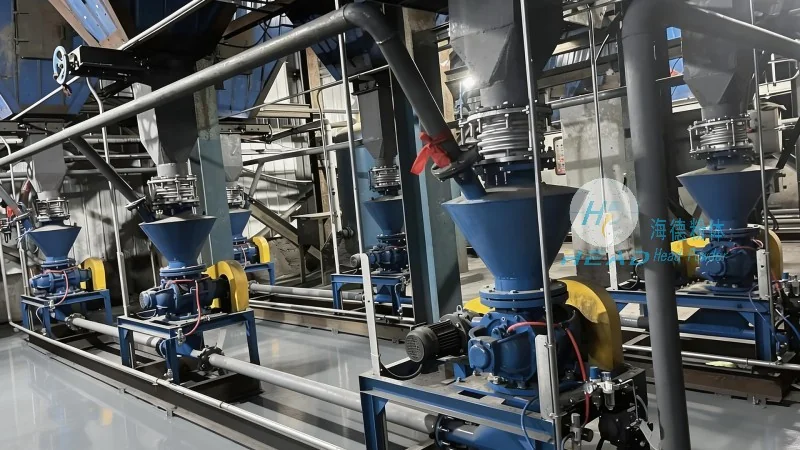
Understanding Pneumatic Conveying for Bulk Powders
Pneumatic conveying systems utilize air or gas flow to transport solid particles through a pipeline. This method offers several advantages over traditional mechanical conveying, such as reduced equipment wear, lower maintenance requirements, and the ability to handle materials that are difficult to move with conventional methods. For desulfurization sodium bicarbonate, which often has specific flow properties and may be sensitive to moisture or contamination, pneumatic conveying provides a controlled environment that preserves material integrity and ensures consistent delivery to processing units.
HeadPowder: Expert in Pneumatic Conveying Solutions
Shandong HeadPowder Engineering Co., Ltd., commonly referred to as headpowder, is a leading provider of specialized engineering solutions for bulk material handling. With a focus on innovative pneumatic conveying systems, the company has developed advanced technologies tailored to the unique challenges of transporting desulfurization sodium bicarbonate. HeadPowder's expertise lies in designing and implementing systems that optimize material flow, minimize energy consumption, and enhance overall process reliability. The company's headquarters is located in Shandong, China, where it leverages local industrial resources and expertise to deliver high-quality solutions to clients worldwide.
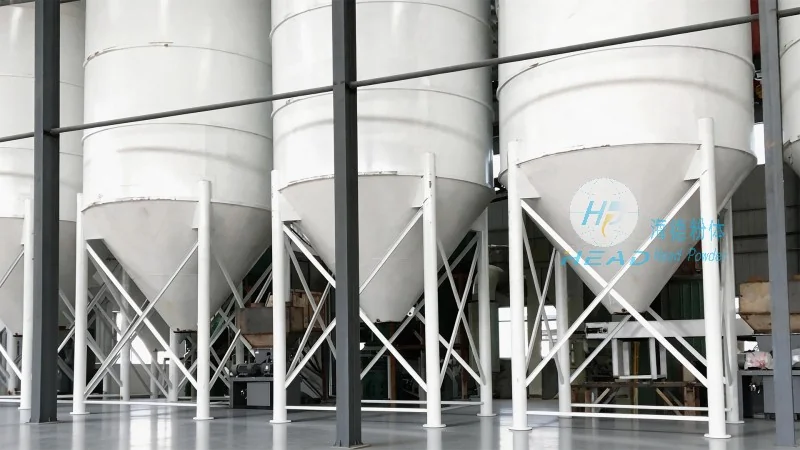
Key Features of Pneumatic Conveying for Desulfurization Sodium Bicarbonate
When implementing pneumatic conveying for desulfurization sodium bicarbonate, several key features contribute to the system's effectiveness. First, the selection of appropriate air velocity and pressure is crucial to ensure that the powder is fully suspended and transported without clogging or degradation. HeadPowder's engineering team employs advanced computational fluid dynamics (CFD) and material testing to determine optimal operating parameters for each application. Second, the design of the conveying line, including the use of appropriate pipe diameters, bends, and in-line equipment such as cyclones or filters, is critical to maintain material flow and prevent particle buildup. The company's systems often incorporate features like pulse-jet cleaning and automatic control valves to maintain consistent performance over extended periods. Third, the integration of safety and environmental controls is essential, as desulfurization processes involve handling materials that may have specific regulatory requirements. HeadPowder's solutions include dust collection systems and pressure relief mechanisms to ensure compliance with industry standards and protect personnel and equipment.
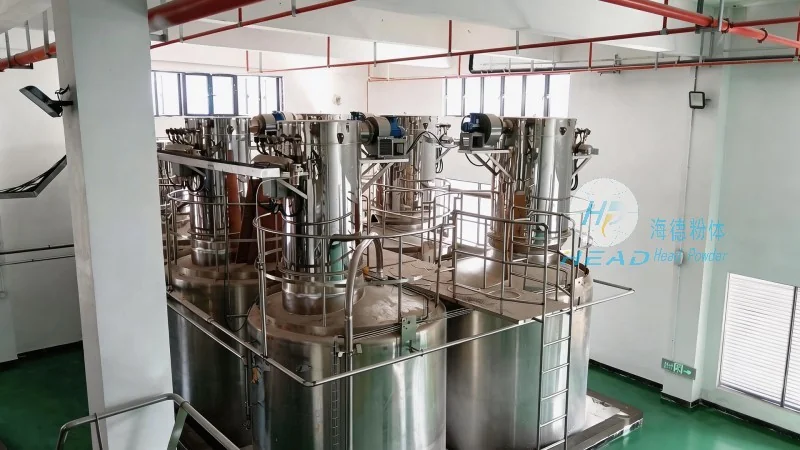
Benefits of Using Pneumatic Conveying for Desulfurization Sodium Bicarbonate
The adoption of pneumatic conveying for desulfurization sodium bicarbonate offers numerous benefits that directly impact operational efficiency and cost management. One of the primary advantages is the reduction in material handling time and labor costs. By automating the transportation process, plants can achieve higher throughput and minimize the need for manual handling, which reduces the risk of accidents and material loss. Additionally, pneumatic systems provide better control over material quality, as the enclosed environment prevents contamination from external sources and maintains consistent moisture levels. This is particularly important for desulfurization processes, where material purity directly affects the efficiency of the flue gas treatment. Another key benefit is the flexibility of pneumatic conveying systems, which can be easily scaled or modified to accommodate changes in production volume or process requirements. HeadPowder's modular design approach allows for system expansion or integration with existing plant infrastructure without significant downtime or disruption.

Application Examples and Case Studies
HeadPowder has successfully implemented pneumatic conveying solutions for desulfurization sodium bicarbonate in various industrial settings. For example, a power plant in Shandong, China, required a system to transport sodium bicarbonate from storage silos to the desulfurization reactor over a distance of 200 meters. The HeadPowder team designed a positive pressure pneumatic conveying system with a 100 mm diameter pipeline, incorporating a cyclone separator and a rotary airlock valve at the discharge point. The system was able to achieve a conveying rate of 10 tons per hour with an air consumption of approximately 30 m³/min, demonstrating high efficiency and reliability. Another application involved a chemical processing facility that needed to handle desulfurization sodium bicarbonate in a closed-loop system with multiple processing stages. HeadPowder's solution included a combination of positive and negative pressure conveying segments, with in-line mixing and blending equipment to ensure uniform material distribution. The system's performance was monitored through real-time data collection, allowing for continuous optimization and maintenance planning.
Conclusion: Efficient and Reliable Pneumatic Conveying for Desulfurization Sodium Bicarbonate
In conclusion, pneumatic conveying represents a highly effective and efficient method for transporting desulfurization sodium bicarbonate, offering significant advantages over traditional mechanical conveying methods. By leveraging advanced engineering and design expertise, companies like Shandong HeadPowder Engineering Co., Ltd. can provide customized solutions that meet the specific needs of industrial applications. The benefits of such systems, including improved material handling efficiency, reduced operational costs, and enhanced process reliability, make pneumatic conveying an essential technology for modern desulfurization processes. As industries continue to seek more sustainable and efficient solutions for bulk material handling, the role of specialized engineering companies like HeadPowder will remain critical in driving innovation and improving overall operational performance.