

Explained: The Pneumatic Conveying System for Titanium Dioxide
When it comes to handling and transporting titanium dioxide, a critical component in many industrial applications, the choice of conveying system can significantly impact operational efficiency and product quality. The pneumatic conveying system stands out as a sophisticated solution designed to address the unique challenges associated with this high-value material. This article delves into the intricacies of such systems, highlighting their design, functionality, and the advantages they offer to manufacturers and processors in the industry.
Understanding the Core Components of a Pneumatic Conveying System
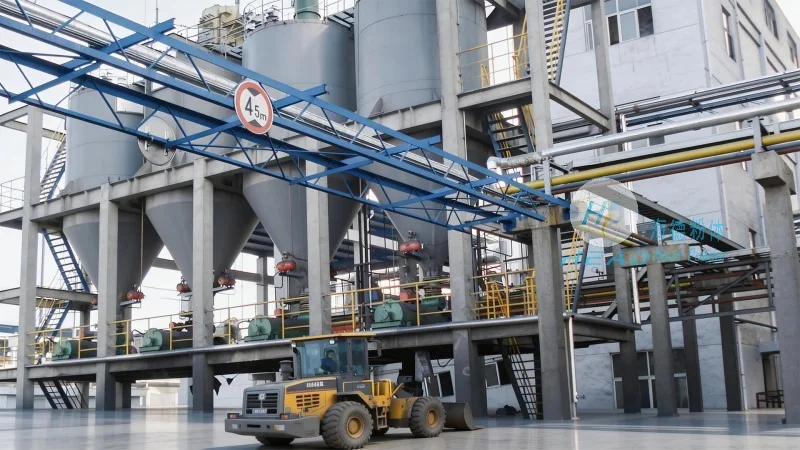
A pneumatic conveying system for titanium dioxide typically comprises several key components that work in unison to ensure reliable material transport. The primary elements include a material feed hopper, a conveying pipeline, a pressure or vacuum source, and a receiver or discharge unit. The feed hopper is responsible for storing and metering the titanium dioxide, ensuring a consistent flow into the system. The pipeline, often made from materials resistant to corrosion and abrasion, facilitates the movement of the material through the system. The pressure or vacuum source, such as a blower or vacuum pump, provides the necessary force to move the material along the pipeline. Finally, the receiver or discharge unit collects the material at the destination, completing the transport process.
How the Pneumatic Conveying Process Works
The operation of a pneumatic conveying system for titanium dioxide relies on the principle of air movement to transport the material. In a typical setup, the material is introduced into the pipeline from the feed hopper, and the pressure source then generates a flow of air within the pipeline. This airflow entrains the titanium dioxide particles, carrying them through the system to the receiver. The velocity and pressure of the air are carefully controlled to ensure that the material is transported efficiently without causing excessive wear on the system components. The system may use either positive pressure (where air is blown into the pipeline) or negative pressure (where air is drawn out), depending on the specific requirements of the application and the layout of the system.
Advantages of Using a Pneumatic Conveying System for Titanium Dioxide
Implementing a pneumatic conveying system for titanium dioxide offers numerous benefits that enhance operational performance and product integrity. One of the most significant advantages is the ability to transport the material in a closed system, which minimizes dust exposure and contamination. This is particularly important for titanium dioxide, as it is often used in applications where purity is paramount, such as in paints, coatings, and plastics. Additionally, pneumatic conveying systems can handle materials with varying particle sizes and moisture content, making them versatile for different production scenarios. The system also reduces the need for manual handling, improving workplace safety and reducing labor costs. Furthermore, the enclosed design helps in maintaining consistent material temperature, which is crucial for maintaining the quality of titanium dioxide, especially when it is used in sensitive applications.
Customization and Scalability of Pneumatic Conveying Systems
Manufacturers of pneumatic conveying systems, such as Shandong HeadPowder Engineering Co., Ltd., understand that each titanium dioxide processing facility has unique requirements. Therefore, these systems are often customizable to meet specific operational needs. The system can be scaled to accommodate varying production volumes, from small-scale laboratory applications to large-scale industrial operations. The design can also be adjusted to handle different types of titanium dioxide, including different grades and particle sizes. This flexibility ensures that the system can be integrated seamlessly into existing production lines or serve as a standalone solution for material transport. The engineering expertise of companies like HeadPowder is crucial in tailoring the system to meet the exact specifications of the client, ensuring optimal performance and efficiency.
Maintenance and Durability Considerations
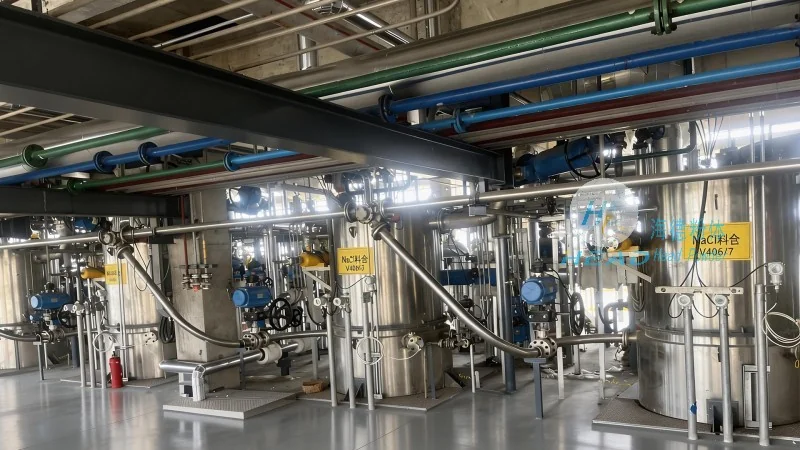
Ensuring the longevity and reliability of a pneumatic conveying system for titanium dioxide requires proper maintenance and the use of durable materials. Titanium dioxide is known for its abrasive properties, which can cause wear on the system components over time. Therefore, the pipeline and other contact parts are typically made from materials such as stainless steel or special alloys that can withstand the abrasive nature of the material. Regular maintenance, including cleaning and inspection of the system components, is essential to prevent blockages and ensure smooth operation. The feed hopper and discharge unit also need to be designed to handle the material's flow characteristics without causing segregation or agglomeration. By implementing a robust maintenance schedule and using high-quality materials, the system can maintain its efficiency and extend its operational life.
Conclusion: The Role of Pneumatic Conveying Systems in Titanium Dioxide Processing
In conclusion, the pneumatic conveying system represents a highly effective and efficient solution for transporting titanium dioxide. Its ability to handle the material in a closed, controlled environment ensures product quality and operational safety. The system's versatility and scalability make it suitable for a wide range of applications, from small-scale production to large-scale industrial operations. With the expertise of companies like Shandong HeadPowder Engineering Co., Ltd., these systems can be customized to meet the specific needs of each client, providing a reliable and durable solution for material transport. As the demand for high-quality titanium dioxide continues to grow, the importance of efficient and effective conveying systems will only increase, making the pneumatic conveying system a critical component in the processing and handling of this valuable material.