

[Detailed Explanation of Quicklime Pneumatic Conveying Systems]
Quicklime, also known as calcium oxide (CaO), is a vital industrial material with widespread applications in sectors like steel production, paper manufacturing, and chemical processing. The efficient and reliable transportation of quicklime from storage to processing units is critical for maintaining production efficiency and minimizing material loss. Pneumatic conveying systems have become a preferred solution for handling quicklime due to their ability to transport bulk materials in a dust-free and controlled manner. This article provides a comprehensive overview of quicklime pneumatic conveying systems, detailing their components, operational principles, and practical applications.
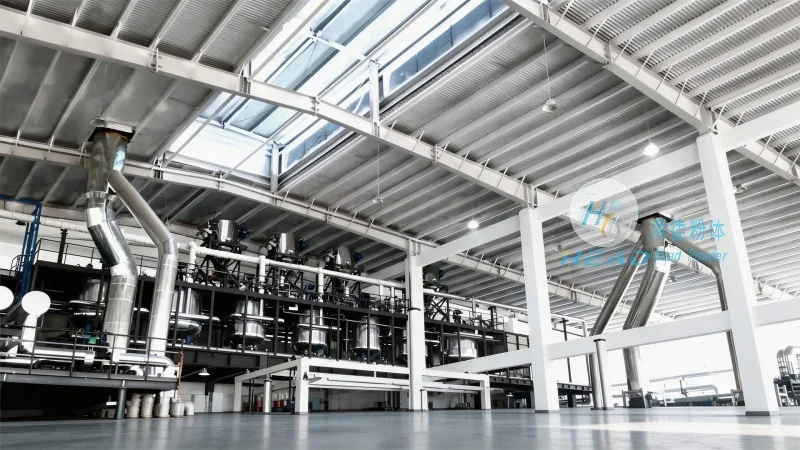
About HeadPowder Engineering
HeadPowder, or Shandong HeadPowder Engineering Co., Ltd., is a leading manufacturer and supplier of industrial material handling solutions. With a focus on innovation and quality, the company specializes in designing and manufacturing pneumatic conveying systems tailored to the specific needs of clients in the quicklime and other bulk material industries. HeadPowder's headquarters is located in Shandong, China, where the company leverages advanced technology and expertise to deliver high-performance conveying solutions that meet international standards.
Key Components of Quicklime Pneumatic Conveying Systems
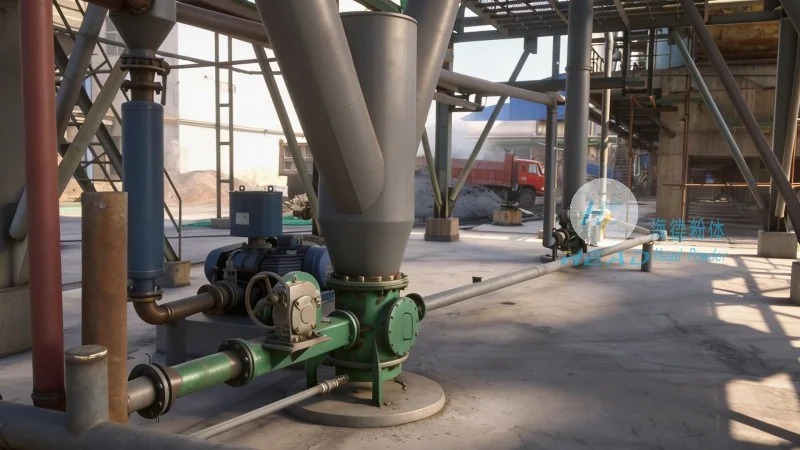
A typical quicklime pneumatic conveying system comprises several essential components that work in concert to ensure smooth material transport. The primary components include the material hopper, feeder, air compressor, conveying pipeline, and receiver. The material hopper is engineered to store quicklime and provide a consistent feed to the feeder. The feeder, often a rotary valve or a screw feeder, regulates the flow of quicklime into the conveying line. The air compressor generates the necessary air pressure to move the material through the pipeline. The conveying pipeline, typically made of stainless steel or other corrosion-resistant materials, is designed to withstand the abrasive nature of quicklime and maintain a dust-free environment. The receiver is where the quicklime is deposited after being conveyed to the processing unit.
Working Principle of Pneumatic Conveying
The operation of a quicklime pneumatic conveying system relies on the principle of air flow to transport bulk materials. In a positive pressure system, the air compressor pushes air into the conveying pipeline, creating a high-pressure environment that propels the quicklime particles forward. The material is suspended in the air stream and travels through the pipeline to the receiver. The air velocity within the pipeline is carefully controlled to ensure that the quicklime particles are fully suspended and transported without causing blockages or material degradation. In a negative pressure system, the air is drawn from the receiver, creating a vacuum that pulls the quicklime from the hopper. Both systems have their advantages and are selected based on the specific application requirements, such as material characteristics, distance, and system layout.
Advantages of Quicklime Pneumatic Conveying Systems
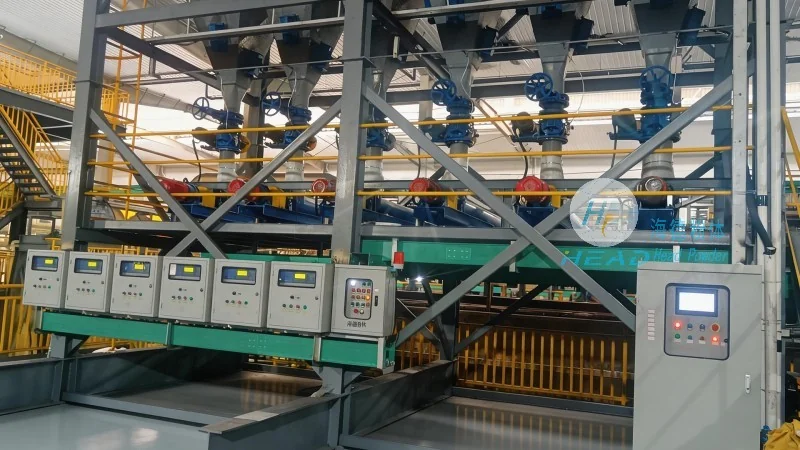
Quicklime pneumatic conveying systems offer several advantages over traditional methods like belt conveyors or bucket elevators. One of the key benefits is the ability to transport materials in a dust-free environment, which enhances workplace safety and reduces the risk of material contamination. The systems are also highly efficient in terms of energy consumption, as they use compressed air to move the material, which can be more economical compared to mechanical systems. Additionally, pneumatic conveying systems are flexible and can be easily integrated into existing production lines, allowing for modifications and expansions as needed. The systems are also capable of handling a wide range of material sizes and densities, making them suitable for various quicklime applications.
Applications in Quicklime Processing
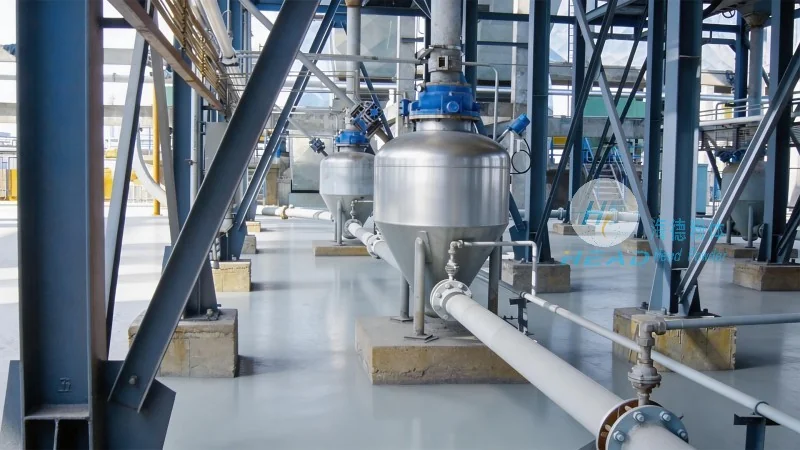
Quicklime pneumatic conveying systems are widely used in the processing of quicklime across different industries. In steel production, quicklime is used as a flux to remove impurities from iron ore during the smelting process. The pneumatic conveying system ensures that quicklime is delivered to the blast furnace in a controlled manner, maintaining the required chemical composition. In the paper industry, quicklime is used in the bleaching process to remove lignin from wood pulp. The system efficiently transports quicklime to the bleaching towers, ensuring consistent quality of the paper product. In chemical processing, quicklime is used as a raw material for the production of calcium hydroxide and other chemicals. The pneumatic conveying system provides a reliable and efficient means of transporting quicklime to the chemical reactors, ensuring smooth production operations.
Maintenance and Operational Considerations
Proper maintenance is crucial to ensure the long-term performance and reliability of quicklime pneumatic conveying systems. Regular inspection of the air compressor, conveying pipeline, and feeder is necessary to detect any potential issues such as air leaks or material buildup. The components should be cleaned regularly to prevent the accumulation of quicklime dust, which can affect the system's efficiency and lifespan. The air compressor should be checked for proper lubrication and pressure levels to maintain optimal performance. Additionally, the system should be operated within the recommended air velocity and pressure ranges to avoid damage to the components or material degradation. Proper training of operators is also essential to ensure safe and efficient operation of the system.