

Detailed Explanation of Tailings Slurry Pneumatic Conveying Systems
Tailings slurry, a byproduct of mineral processing operations, requires efficient and reliable transportation methods to ensure safe and sustainable handling. Pneumatic conveying systems have emerged as a preferred solution for moving tailings slurry over long distances or within industrial facilities. This article provides a comprehensive overview of tailings slurry pneumatic conveying systems, detailing their design, components, and operational benefits.
System Overview and Core Components
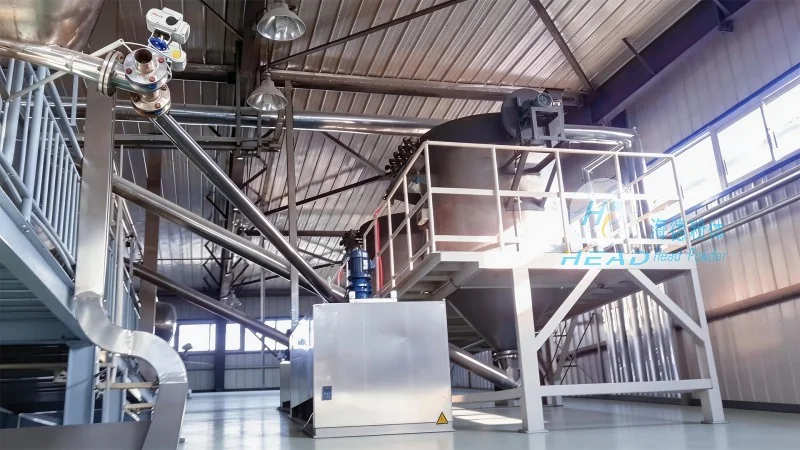
Tailings slurry pneumatic conveying systems are sophisticated industrial solutions designed to transport mineral processing byproducts efficiently. The system comprises several critical components that work in tandem to ensure smooth operation. At the heart of the system is the slurry feed hopper, which stores and feeds the tailings slurry into the conveying line. This component is equipped with a valve system to regulate the flow rate, preventing overloading and maintaining consistent pressure. The air compressor, typically a positive displacement type, generates the necessary pressure to move the slurry through the pipeline. It is sized based on the system's capacity and the required conveying distance. The conveying line, made of durable materials such as stainless steel or high-density polyethylene, is designed to withstand the corrosive nature of tailings slurries. The line includes bends, elbows, and straight sections, with appropriate support structures to maintain alignment and prevent sagging. The discharge equipment, such as a cyclone separator or a pressure vessel, separates the air from the slurry at the end of the line, allowing the tailings to be deposited in a designated area. The system may also include additional components like air filters, moisture separators, and pressure regulators to enhance performance and protect equipment.