

Introduction to Equipment and Structural Principles of Glass Fiber Powder Pneumatic Conveying System
HeadPowder, a leading enterprise based in Shandong, China, specializes in the design, manufacturing, and supply of advanced pneumatic conveying systems tailored for the handling of glass fiber powders. This article provides an overview of the key equipment components and the underlying structural principles that govern the operation of such systems, ensuring efficient and reliable material transport in industrial applications.
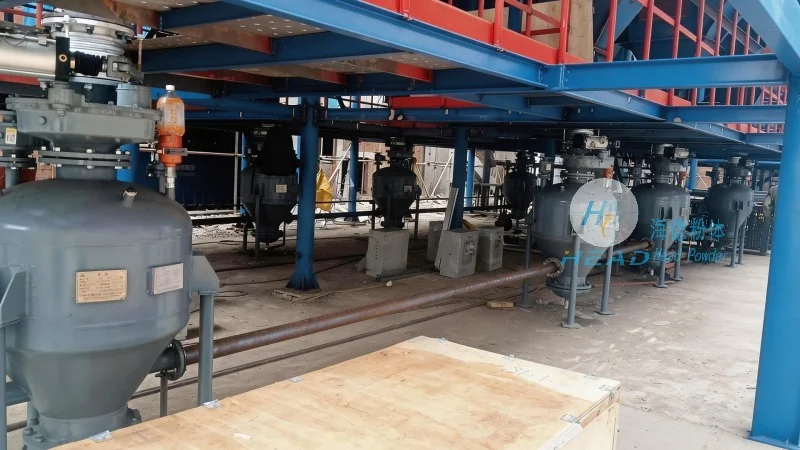
Overview of Pneumatic Conveying Systems for Glass Fiber Powders
Pneumatic conveying systems are widely utilized in the processing and manufacturing sectors to transport dry bulk materials, including glass fiber powders, from one location to another. These systems operate by using a fluid, typically air or a combination of air and other gases, to move the material through a pipeline network. The primary advantage of pneumatic conveying is its ability to handle materials that are difficult to transport via traditional mechanical methods, such as those with high dust content or abrasive properties. For glass fiber powders, which are often fine, lightweight, and prone to static charge, specialized equipment is essential to prevent material degradation and ensure safe operation.
Key Equipment Components in Glass Fiber Powder Pneumatic Conveying Systems
The effectiveness of a glass fiber powder pneumatic conveying system depends on the integration of several critical components, each designed to perform a specific function in the material handling process. These components include:
1. Feeder Unit: The feeder is responsible for accurately metering and feeding the glass fiber powder into the conveying system. For fine powders like glass fiber, a screw feeder or a rotary valve feeder is commonly used to maintain a consistent flow rate and prevent blockages. The feeder must be equipped with features that minimize material degradation, such as low shear and gentle handling mechanisms.
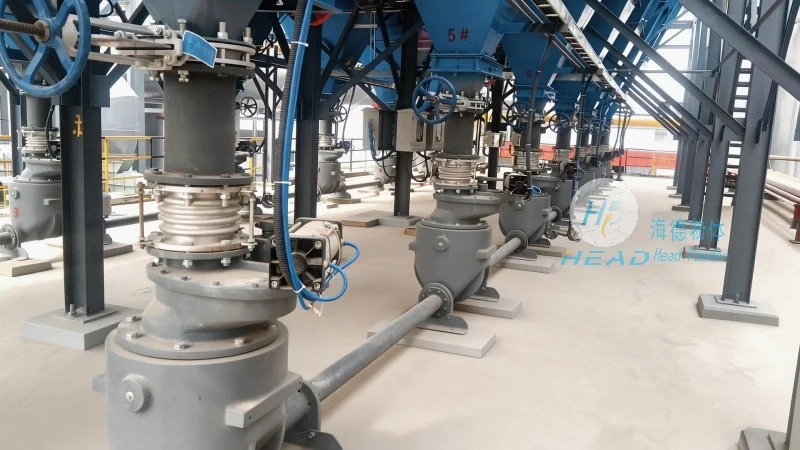
2. Pneumatic Conveying Pipeline: The pipeline network forms the backbone of the system, transporting the glass fiber powder from the feeder to the discharge point. The pipeline is typically made of materials resistant to abrasion and corrosion, such as stainless steel or specialized plastic composites, to withstand the harsh nature of glass fiber powders. The design of the pipeline, including the use of bends, elbows, and expansion joints, is crucial to maintain the material's flow characteristics and prevent pressure losses.
3. Blower or Air Compressor: The air compressor or blower provides the necessary air pressure and volume to move the glass fiber powder through the pipeline. For glass fiber powders, which have low bulk density, a high-pressure blower or a positive displacement blower is often employed to generate sufficient airflow. The selection of the blower is critical, as it directly impacts the system's efficiency and the ability to handle long-distance or high-rise conveying applications.
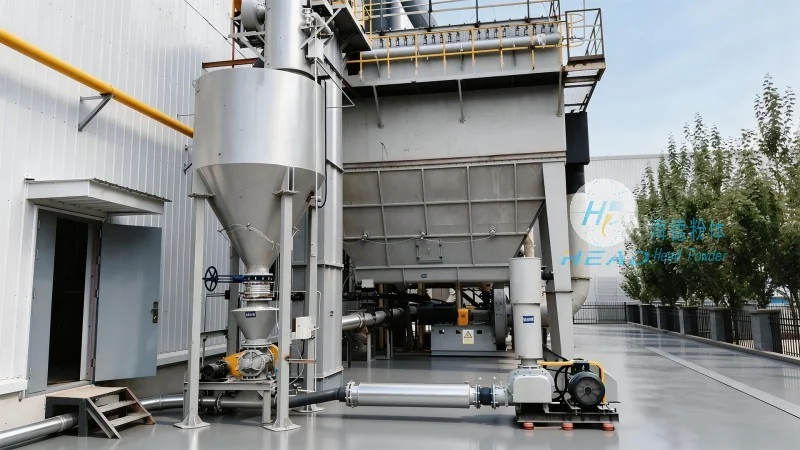
4. Receiver or Discharge Unit: The receiver is the terminal point of the conveying system where the glass fiber powder is deposited. It is designed to handle the material under controlled conditions, preventing dust emissions and ensuring a smooth discharge. The receiver may include features such as a dust collection system or a silo to store the material before further processing.
5. Control System: The control system monitors and regulates the operation of the entire pneumatic conveying system. It includes sensors for pressure, flow rate, and material level, as well as control valves and actuators to adjust the system parameters in real-time. The control system ensures optimal performance, reduces energy consumption, and enhances safety by preventing overpressure or underflow conditions.
Structural Principles Governing Glass Fiber Powder Pneumatic Conveying
The structural principles of glass fiber powder pneumatic conveying systems are based on the fundamental physics of fluid dynamics and material transport. The core principle is the creation of a gas-solid two-phase flow within the pipeline, where the air acts as the carrier medium and the glass fiber powder is the transported solid. The key principles include:
1. Pressure Drop and Flow Rate: The pressure drop along the pipeline is a critical factor in determining the flow rate of the glass fiber powder. The pressure drop is influenced by the pipeline diameter, length, and the properties of the glass fiber powder, such as its particle size, density, and moisture content. The system must be designed to maintain an appropriate pressure drop to ensure a stable and continuous flow without causing excessive energy consumption.
2. Velocity and Particle Suspension: The air velocity within the pipeline must be sufficient to suspend the glass fiber particles and prevent them from settling or sticking to the pipeline walls. The minimum velocity required for suspension depends on the particle size and density of the glass fiber powder. Proper velocity control is essential to avoid material deposition and ensure the longevity of the pipeline and other components.
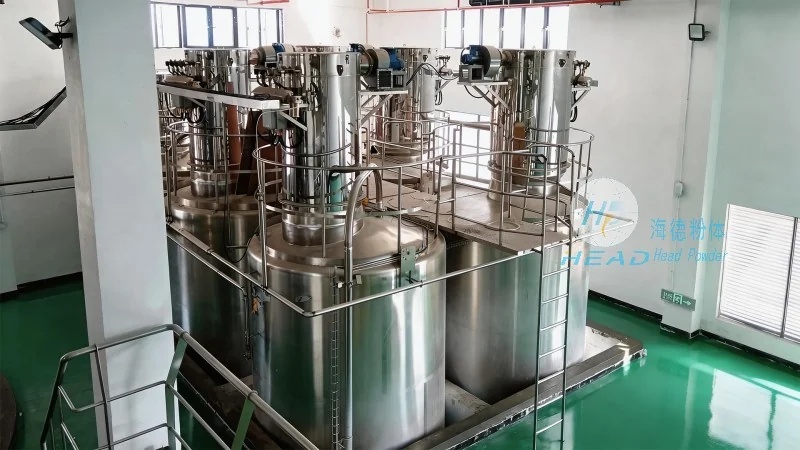
3. Gas-Solid Ratio: The gas-solid ratio, which is the ratio of the mass flow rate of air to the mass flow rate of glass fiber powder, is a key parameter in the design of the pneumatic conveying system. An optimal gas-solid ratio ensures efficient material transport while minimizing energy consumption. The ratio is influenced by factors such as the conveying distance, pipeline diameter, and the properties of the glass fiber powder.
4. System Sizing and Scaling: The structural design of the pneumatic conveying system must consider the specific requirements of the application, including the conveying distance, the volume of material to be transported, and the operating conditions. The system components, such as the blower, pipeline, and feeder, are sized based on these parameters to ensure reliable and efficient operation. Scaling the system from laboratory to industrial scale requires careful consideration of the gas-solid flow characteristics and the potential for pressure losses.
Advantages and Applications of Glass Fiber Powder Pneumatic Conveying Systems
Glass fiber powder pneumatic conveying systems offer several advantages over traditional mechanical conveying methods, making them ideal for a wide range of industrial applications. These advantages include:
1. Efficient Material Handling: The systems provide a continuous and reliable transport of glass fiber powders, reducing downtime and improving overall productivity in manufacturing processes.
2. Reduced Material Degradation: The gentle handling of glass fiber powders by pneumatic conveying systems minimizes particle breakage and prevents contamination, preserving the quality of the material.
3. Space Efficiency: Pneumatic conveying systems can be installed in compact spaces, making them suitable for facilities with limited floor area.
4. Versatility: The systems can handle a variety of glass fiber powder types, including different grades and formulations, making them adaptable to diverse industrial needs.
These advantages make glass fiber powder pneumatic conveying systems widely used in industries such as fiberglass manufacturing, composite materials production, and construction material processing. The systems are particularly beneficial in applications where the material needs to be transported over long distances or to elevated storage locations.
Conclusion
HeadPowder's expertise in designing and manufacturing glass fiber powder pneumatic conveying systems ensures that industrial facilities can achieve efficient, reliable, and safe material transport. By understanding the key equipment components and the structural principles governing these systems, manufacturers can optimize their operations and improve overall productivity. The integration of advanced control systems and specialized materials further enhances the performance and longevity of the pneumatic conveying systems, making them a preferred choice for handling glass fiber powders in modern industrial applications.