

Introduction to Equipment and Structural Principles of Thermoplastic Polyurethane Pneumatic Conveyin
HeadPowder, the abbreviation for Shandong HeadPowder Engineering Co., Ltd., is a professional enterprise dedicated to the research, development, and production of high-quality pneumatic conveying equipment. Based in Shandong, China, the company has established itself as a trusted provider in the industry, focusing on delivering innovative solutions that meet the diverse needs of clients across various sectors. With a strong commitment to quality and technological advancement, HeadPowder has built a reputation for excellence in the design and manufacturing of pneumatic conveying systems, particularly those utilizing thermoplastic polyurethane (TPU) materials.
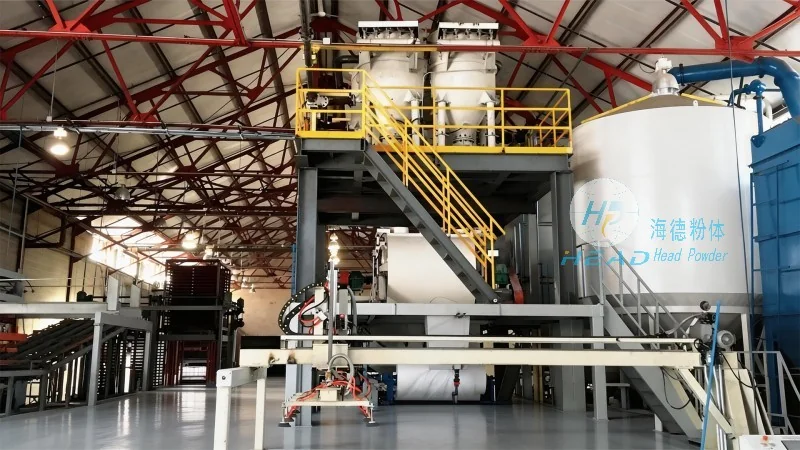
Overview of Thermoplastic Polyurethane Pneumatic Conveying Systems
Thermoplastic polyurethane (TPU) pneumatic conveying systems represent a sophisticated approach to material handling, combining the benefits of TPU's unique properties with the efficiency of pneumatic transport. These systems are engineered to transport bulk materials such as powders, granules, and fine particles through a closed pipeline using compressed air. The equipment typically includes key components like a hopper for material storage, a feeder to control the flow rate, a conveying line with appropriate fittings, and a receiver to collect the delivered material. The design of these systems is tailored to ensure smooth, reliable operation while minimizing material degradation and system wear. HeadPowder specializes in customizing TPU pneumatic conveying systems to suit specific operational requirements, ensuring optimal performance and longevity.
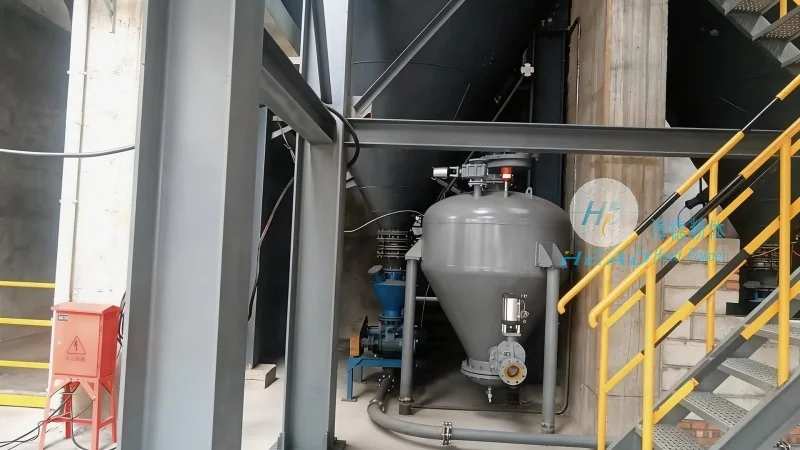
Structural Principles and Working Mechanism
The structural design of thermoplastic polyurethane pneumatic conveying systems is centered on the efficient transfer of material using air as the conveying medium. The system operates by introducing compressed air into the conveying line, which creates a flow that propels the material from the hopper to the receiver. The TPU components, including the pipeline and fittings, are chosen for their excellent abrasion resistance, flexibility, and chemical compatibility, which are critical for handling abrasive or corrosive materials. The hopper is designed with a smooth interior to prevent material buildup and ensure consistent feeding. The feeder, often a rotary valve or a screw feeder, regulates the material discharge rate, maintaining a stable flow into the conveying line. The conveying line is typically made of TPU or other durable materials, with appropriate bends and transitions to minimize pressure loss and ensure efficient material transport. The receiver is equipped with a dust collection system to capture any fine particles and maintain a clean working environment. Overall, the structural principles of these systems prioritize durability, efficiency, and ease of maintenance, making them suitable for long-term industrial applications.
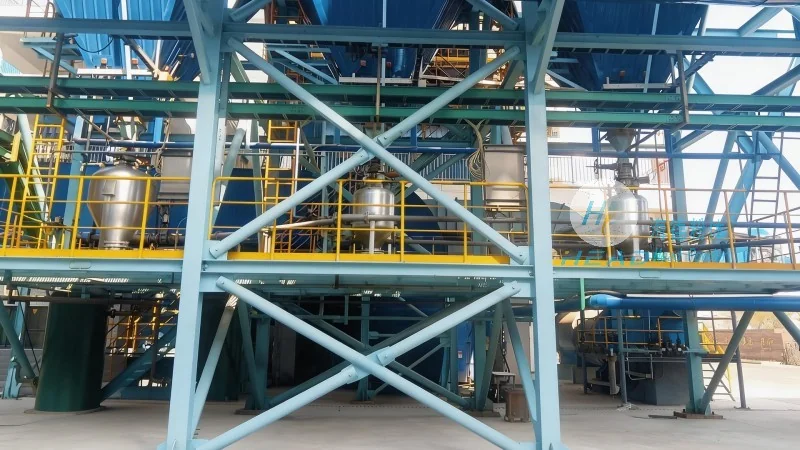
Material Properties of Thermoplastic Polyurethane
Thermoplastic polyurethane (TPU) is a polymer known for its exceptional combination of mechanical properties, including high abrasion resistance, flexibility, and tensile strength. These characteristics make TPU an ideal material for the construction of pneumatic conveying systems, especially in applications involving abrasive or high-impact materials. The material's flexibility allows it to withstand repeated bending and flexing without cracking, while its abrasion resistance ensures long service life even under harsh operating conditions. Additionally, TPU is resistant to many chemicals and has good thermal stability, which enhances its suitability for a wide range of industrial environments. The use of TPU in the pipeline and fittings of pneumatic conveying systems reduces the risk of material degradation and system failure, contributing to the overall reliability and performance of the equipment. HeadPowder leverages these superior properties of TPU to design systems that are not only durable but also cost-effective in the long run.
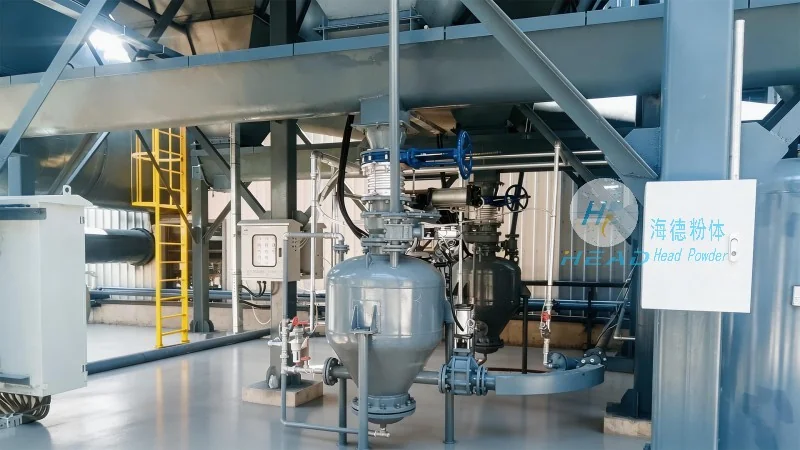
Advantages of Thermoplastic Polyurethane Pneumatic Conveying Systems
Thermoplastic polyurethane pneumatic conveying systems offer several advantages over traditional systems, particularly in terms of durability, efficiency, and adaptability. The primary advantage is the extended service life of TPU components, which reduces maintenance costs and downtime. Unlike metal or rubber alternatives, TPU resists wear and tear from abrasive materials, resulting in lower replacement costs over the system's lifespan. The flexibility of TPU also allows for easier installation and maintenance, as components can be bent or adjusted to accommodate changes in the system layout. Additionally, TPU systems are more resistant to chemical corrosion, making them suitable for handling materials that may be acidic or alkaline. The efficient use of compressed air in these systems minimizes energy consumption compared to other transport methods, contributing to lower operational costs. Furthermore, the closed-loop design of TPU pneumatic conveying systems helps maintain a clean and dust-free environment, which is crucial in industries such as food processing, pharmaceuticals, and electronics. Overall, the combination of durability, efficiency, and environmental benefits makes TPU pneumatic conveying systems a preferred choice for many industrial applications.