

Introduction to Glass Powder Pneumatic Conveying System Equipment: Structure and Principle Explanati
HeadPowder, a leading provider in the field, offers advanced solutions for the efficient handling and transportation of glass powders. The glass powder pneumatic conveying system is a critical piece of equipment designed to transport fine glass powders through a pipeline using air as the conveying medium. This system is essential for industries such as glass manufacturing, where the precise and clean transfer of raw materials is vital for production quality and efficiency.
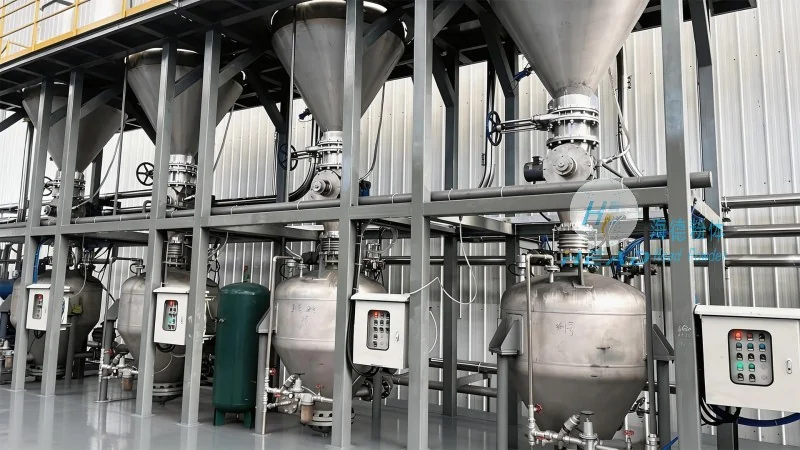
Key Components of the Pneumatic Conveying System
The glass powder pneumatic conveying system consists of several key components that work in tandem to ensure smooth operation. The primary components include the hopper, which serves as the storage and feeding unit for the glass powder. The hopper is equipped with a feeding mechanism, often a rotary valve or a star feeder, to control the flow of powder into the system. This ensures a consistent and controlled feed rate, preventing blockages and maintaining system stability.
Next, the conveying line itself, typically made of stainless steel or other corrosion-resistant materials, is designed to withstand the abrasive nature of glass powders. The pipeline is connected to a series of components including the air compressor or blower, which generates the necessary air pressure to move the powder. The air compressor is responsible for supplying the high-pressure air that propels the glass powder particles through the system. Additionally, the system includes a filter and separator unit to remove any excess air and collect the glass powder at the discharge point. This unit ensures that the powder is efficiently collected and the air is cleaned before being released back into the environment or recirculated.
Working Principle of the Pneumatic Conveying System
The operation of the glass powder pneumatic conveying system is based on the principle of fluidization and pneumatic transport. When the air compressor provides high-pressure air, it enters the hopper and lifts the glass powder particles, creating a fluidized bed. The air then carries the powder particles through the conveying line to the discharge point. The velocity of the air is carefully controlled to ensure that the powder particles are transported without excessive wear on the pipeline or loss of material. The system is designed to maintain a consistent flow rate, which is crucial for maintaining production line stability and preventing clogging or blockages.
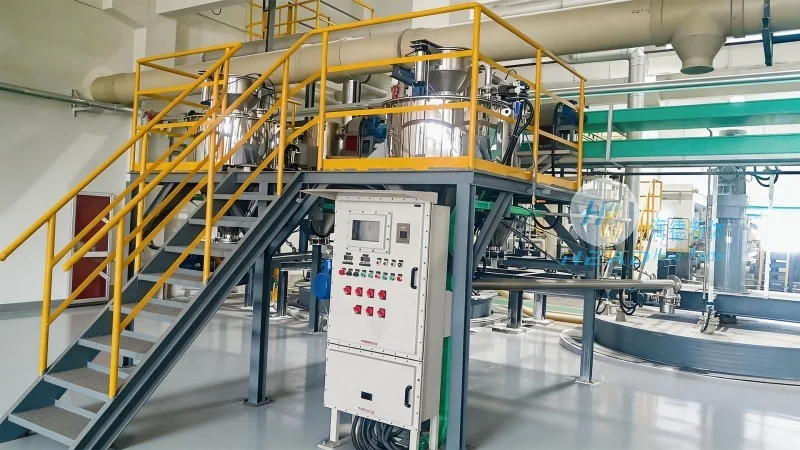
The control system of the pneumatic conveying system plays a vital role in regulating the operation. It monitors parameters such as air pressure, flow rate, and powder level in the hopper. This allows for real-time adjustments to maintain optimal performance. The system can be equipped with sensors and automation controls to ensure that the conveying process is efficient and reliable. For example, the rotary valve or star feeder can adjust the feed rate based on the demand from the downstream process, ensuring that the glass powder is delivered as needed without overloading the system.
Advantages of Using a Glass Powder Pneumatic Conveying System
Implementing a glass powder pneumatic conveying system offers several advantages for glass manufacturing facilities. One of the primary benefits is the ability to transport glass powders in a clean and dust-free environment. Unlike traditional mechanical conveying methods, which can generate significant dust and contamination, pneumatic systems keep the powder contained within the pipeline, reducing the risk of product contamination and improving workplace safety. This is particularly important for glass powders, which are often used in applications where purity is critical, such as in the production of optical glass or specialty glass products.
Another advantage is the flexibility and scalability of the system. The glass powder pneumatic conveying system can be easily adapted to different production requirements, from small-scale operations to large industrial facilities. The system can be expanded or modified to accommodate changes in production volume or the addition of new processing lines. This flexibility makes it a cost-effective solution for businesses that need to adapt to changing market demands or production needs.
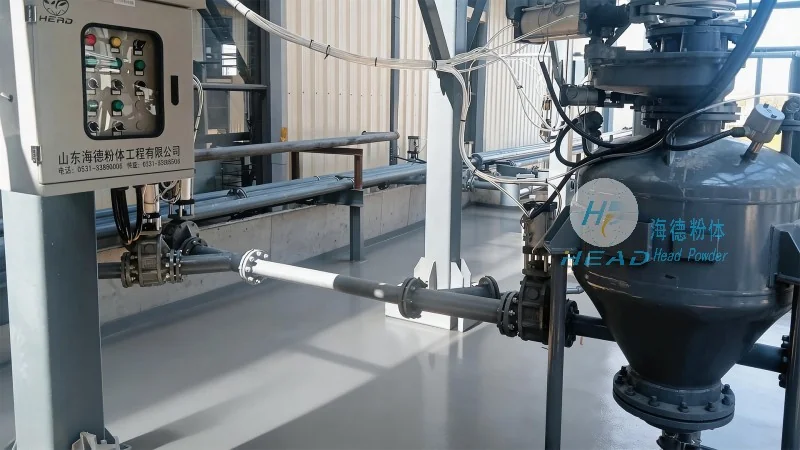
The system also offers improved efficiency and reduced downtime. By using air as the conveying medium, the system can transport glass powders over long distances with minimal energy consumption compared to traditional methods like belt conveyors or bucket elevators. This reduces operational costs and increases the overall productivity of the production line. Additionally, the system's design minimizes the risk of clogging or blockages, which can lead to significant downtime in other conveying systems. The consistent flow rate and controlled feed mechanism ensure that the system operates smoothly, reducing the need for frequent maintenance and repairs.
Application Examples in Glass Manufacturing
The glass powder pneumatic conveying system is widely used in various stages of glass manufacturing. For example, in the production of flat glass, the system can transport glass powders from storage silos to the melting furnace. The precise control of the feed rate ensures that the correct amount of powder is added to the furnace, maintaining the optimal composition of the glass melt. In the production of glass fibers, the system is used to transport fine glass powders to the fiber drawing machines, where the powder is converted into continuous fibers. The clean and controlled transport of the powder is essential for maintaining the quality and consistency of the glass fibers.
In the production of specialty glass products, such as optical lenses or ceramic components, the glass powder pneumatic conveying system is used to transport high-purity glass powders to the processing equipment. The system's ability to maintain a dust-free environment ensures that the final products meet the stringent quality standards required for these applications. Additionally, the system's flexibility allows it to be integrated into existing production lines, minimizing the need for major modifications or disruptions to the manufacturing process.