

Application and Optimization of Pneumatic Conveying Technology in Quicklime Transport Design
HeadPowder Engineering Co., Ltd. specializes in advanced material handling solutions, particularly focusing on the application and optimization of pneumatic conveying systems for quicklime transport. This article explores the technical aspects, design considerations, and practical implementation of such systems, highlighting how these solutions enhance efficiency and reliability in industrial operations.
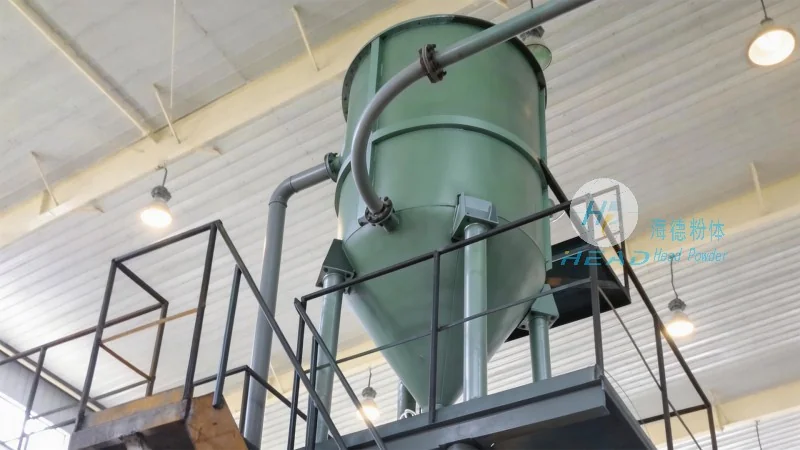
Introduction to Pneumatic Conveying in Quicklime Transport
Pneumatic conveying technology has become a cornerstone in modern material handling, offering a flexible and efficient method for transporting bulk materials like quicklime. Unlike traditional methods such as belt conveyors or screw conveyors, pneumatic systems utilize air pressure to move materials through pipelines, reducing the need for complex infrastructure and minimizing material degradation. For quicklime, which is a highly reactive and abrasive substance, the choice of conveying technology is critical to maintaining product quality and operational safety.
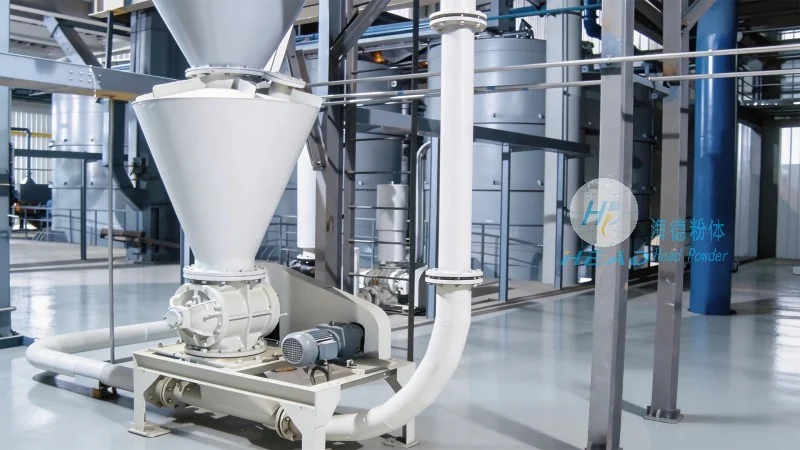
Key Design Considerations for Pneumatic Quicklime Conveying
The success of a pneumatic quicklime transport system hinges on meticulous design, accounting for the material's physical properties, process requirements, and environmental factors. Key considerations include the selection of appropriate pipeline materials to withstand quicklime's corrosive nature, the design of airlocks and feeders to prevent material spillage and blockages, and the optimization of air pressure and flow rates to ensure consistent material transport. Additionally, the system must incorporate safety features such as dust suppression and explosion-proof mechanisms, given quicklime's potential to create hazardous conditions during handling.
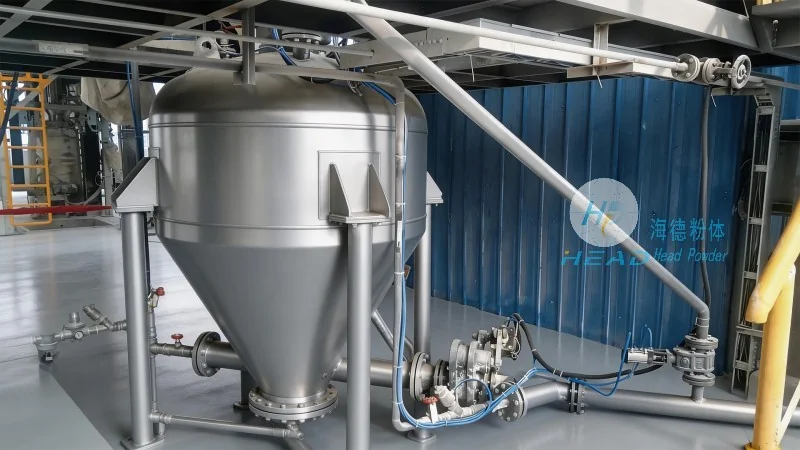
Optimizing Pneumatic Conveying for Enhanced Performance
Optimization of pneumatic conveying systems involves a combination of engineering principles and practical experience. This includes selecting the right type of conveying system—such as dilute-phase or dense-phase transport—based on the specific application and material characteristics. For quicklime, dilute-phase systems are often preferred due to their ability to handle high material volumes with minimal pressure drops, while dense-phase systems may be used for longer distances or more sensitive applications. Furthermore, the integration of advanced control systems allows for real-time monitoring and adjustment of air flow, pressure, and material feed rates, ensuring optimal performance and reducing downtime.
HeadPowder Engineering's Expertise in Quicklime Conveying Solutions
Shandong HeadPowder Engineering Co., Ltd. leverages decades of experience in designing and implementing pneumatic conveying systems tailored to the unique needs of quicklime transport. The company's team of engineers employs state-of-the-art design software and rigorous testing protocols to ensure that each system meets the highest standards of efficiency, safety, and durability. With a focus on customer-specific requirements, HeadPowder provides customized solutions that address the challenges of quicklime handling, from initial design and installation to ongoing maintenance and support.
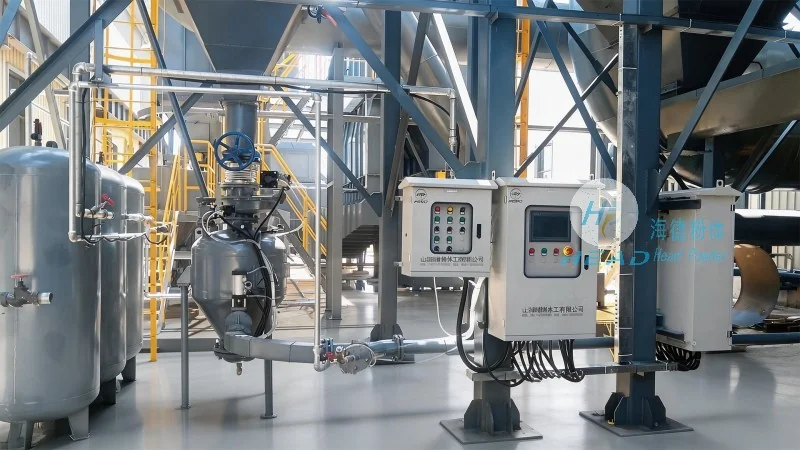
Conclusion: The Role of Pneumatic Conveying in Modern Quicklime Handling
In conclusion, the application and optimization of pneumatic conveying technology represent a significant advancement in the efficient and safe transport of quicklime. By addressing key design considerations and leveraging advanced engineering practices, these systems offer substantial benefits in terms of operational efficiency, cost reduction, and environmental compliance. As industries continue to seek more sustainable and reliable material handling solutions, the role of pneumatic conveying in quicklime transport will only grow, with companies like HeadPowder Engineering playing a pivotal role in driving innovation and excellence in this field.